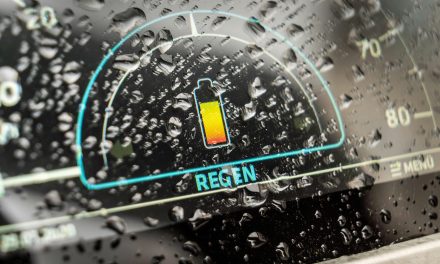
The alternator is a crucial component of a vehicle’s electrical system, responsible for converting mechanical energy into electrical energy. This device plays a vital role in charging the car battery and powering the electrical systems while the engine is running. Typically, the alternator operates using a belt connected to the engine’s crankshaft, which spins the rotor inside the alternator. This spinning motion generates alternating current (AC), which is then converted into direct current (DC) to charge the battery and supply power to various electrical components.
In modern vehicles, alternators are designed to produce sufficient voltage and current to meet the demands of increasingly complex electrical systems. These systems include everything from headlights and infotainment systems to advanced driver-assistance technologies. A properly functioning alternator ensures that all these components operate efficiently, contributing to the overall performance and reliability of the vehicle.
If you’re experiencing issues with your vehicle, it’s essential to recognize the symptoms of a bad alternator, as it can lead to further complications. Common signs include dimming headlights, electrical failures, and unusual noises from the engine. For more information on how various factors can affect your living environment, you might find this article on how bed bugs spread from room to room insightful. You can read it here: How Do Bed Bugs Spread?.
Why Ignoring Alternator Problems Can Be Dangerous
Neglecting issues related to the alternator can lead to severe consequences, both for the vehicle’s performance and for driver safety. An underperforming alternator can result in insufficient power supply to critical systems, leading to unexpected failures while driving. For instance, if the headlights dim or fail, visibility is compromised, increasing the risk of accidents, especially during nighttime or adverse weather conditions.
Moreover, a malfunctioning alternator can cause excessive strain on the battery, leading to premature battery failure. This situation can leave drivers stranded, unable to start their vehicles when they need them most. Ignoring warning signs can escalate minor issues into significant problems that require costly repairs or even complete replacement of the alternator. Therefore, recognizing early symptoms of alternator failure is essential for maintaining vehicle safety and reliability.
Dim or Flickering Headlights: A Warning Sign

One of the most common indicators of alternator problems is dim or flickering headlights. When the alternator fails to generate adequate voltage, it can lead to inconsistent power supply to the headlights. Drivers may notice that their headlights appear unusually dim or fluctuate in brightness while driving. This symptom often becomes more pronounced when additional electrical loads are activated, such as turning on the air conditioning or using power windows.
The underlying cause of this issue may be attributed to worn-out brushes within the alternator or a failing voltage regulator. If left unaddressed, this problem can worsen over time, potentially leading to complete headlight failure. It is crucial for drivers to monitor their headlights closely and seek professional assistance if they notice any irregularities in brightness.
Battery Warning Light Illuminates on the Dashboard

Another significant warning sign of alternator trouble is the illumination of the battery warning light on the dashboard. This light serves as an alert that there may be an issue with the vehicle’s charging system. When the alternator fails to charge the battery adequately, this warning light activates, indicating that the battery may not be receiving sufficient power.
Drivers should not ignore this warning light, as it can signify a range of issues from a simple loose connection to a failing alternator. If this light appears while driving, it is advisable to pull over safely and assess the situation. Continuing to drive with an illuminated battery warning light can lead to complete battery discharge and leave drivers stranded.
If you’re experiencing issues with your vehicle, it might be worth considering the symptoms of a bad alternator, which can lead to various electrical problems. Understanding these symptoms can help you diagnose the issue before it escalates. For more information on maintaining your tools, you can check out this article on how to sharpen kitchen knives at home, which emphasizes the importance of proper upkeep for optimal performance. Recognizing the signs of a failing alternator can save you from unexpected breakdowns and costly repairs.
Strange Noises Coming from the Engine Bay
Unusual sounds emanating from the engine bay can also indicate potential alternator problems. Drivers may hear grinding, whining, or squealing noises that suggest mechanical issues within the alternator itself. These sounds often result from worn bearings or a failing rotor, which can lead to further damage if not addressed promptly.
In some cases, these noises may also be attributed to a loose or damaged serpentine belt that drives the alternator. Regardless of the source, any strange noises should be taken seriously and warrant immediate investigation by a qualified mechanic. Ignoring these auditory cues can lead to more extensive repairs and increased costs down the line.
If you’re experiencing issues with your vehicle, it might be worth exploring the symptoms of a bad alternator, which can lead to various electrical problems. For a deeper understanding of how different factors can affect your car’s performance, you might find this article on unusual behaviors interesting, as it highlights how unexpected situations can arise in both pets and vehicles alike. Recognizing these signs early can help prevent more serious damage and ensure your car runs smoothly.
Electrical Failures and Malfunctioning Accessories
A failing alternator can manifest through various electrical failures and malfunctioning accessories within the vehicle. Drivers may experience issues such as power windows that operate sluggishly or not at all, malfunctioning infotainment systems, or erratic behavior from dashboard lights and gauges. These symptoms indicate that the electrical system is not receiving adequate power due to an underperforming alternator.
In addition to affecting convenience features, electrical failures can compromise safety systems such as anti-lock brakes and traction control. If these systems malfunction due to insufficient power supply, it can significantly impact vehicle handling and safety during critical driving situations. Therefore, addressing electrical issues promptly is essential for maintaining both functionality and safety.
Difficulty Starting the Engine or Frequent Stalling
Difficulty starting the engine or experiencing frequent stalling can be alarming signs of alternator failure. When an alternator malfunctions, it may not provide enough power to start the engine effectively. Drivers may find themselves turning the key in vain as the engine struggles to crank or fails to start altogether.
Frequent stalling while driving can also occur if the alternator cannot maintain adequate voltage levels while the engine is running. This situation can pose serious safety risks, especially if it happens in high-traffic areas or at intersections. If drivers encounter these symptoms, they should seek professional assistance immediately to diagnose and resolve any underlying issues.
Dead Battery Despite Recent Replacement
Experiencing a dead battery shortly after replacement is another red flag indicating potential alternator problems. If a new battery fails to hold a charge or repeatedly dies, it suggests that the alternator is not functioning correctly and is unable to recharge the battery adequately during operation.
In such cases, it is essential to have both the battery and alternator tested by a qualified technician. A faulty alternator can lead to repeated battery replacements, resulting in unnecessary expenses and inconvenience for drivers. Identifying and rectifying the root cause of battery failure is crucial for ensuring reliable vehicle operation.
Burning Smell or Overheating Under the Hood
A burning smell or signs of overheating under the hood are serious indicators of potential alternator failure. Overheating can occur due to excessive friction within the alternator caused by worn bearings or other mechanical failures. This overheating may produce a burning odor that can permeate into the cabin of the vehicle.
If drivers notice any unusual smells or excessive heat emanating from under the hood, they should take immediate action by pulling over safely and inspecting for visible signs of damage or smoke. Continuing to operate a vehicle under these conditions can lead to catastrophic failures and pose significant safety risks.
Diagnosing Alternator Issues: When to See a Mechanic
Diagnosing alternator issues requires careful observation of symptoms and timely intervention by a qualified mechanic. If drivers experience any combination of warning signs discussed earlier—such as dim headlights, dashboard warning lights, strange noises, electrical failures, difficulty starting, dead batteries, or burning smells—they should seek professional assistance without delay.
Mechanics typically perform several diagnostic tests to assess alternator performance, including checking voltage output with a multimeter and inspecting connections for corrosion or damage. In some cases, they may also conduct load tests on both the battery and alternator to determine their overall health and functionality.
Preventative Maintenance Tips to Avoid Alternator Failure
Preventative maintenance plays a crucial role in extending the lifespan of an alternator and ensuring reliable vehicle operation. Here are several tips that drivers can implement:
1. **Regular Inspections**: Schedule routine inspections of your vehicle’s electrical system during regular maintenance visits.
2. **Belt Maintenance**: Check serpentine belts for wear and tension regularly; replace them if they show signs of fraying or looseness.
3. **Battery Care**: Keep battery terminals clean and free from corrosion; ensure secure connections.
4. **Electrical System Checks**: Monitor electrical components for any signs of malfunction; address issues promptly.
5. **Avoid Overloading**: Be mindful of additional electrical loads; avoid using multiple high-demand accessories simultaneously when possible.
6. **Professional Servicing**: Seek professional servicing at reputable auto shops for any electrical system concerns.
By adhering to these preventative measures, drivers can significantly reduce their risk of encountering alternator-related issues and enhance their vehicle’s overall reliability.
In summary, understanding the role of an alternator in your vehicle is essential for maintaining optimal performance and safety on the road. Ignoring early warning signs such as dim headlights, dashboard alerts, strange noises, electrical failures, difficulty starting, dead batteries, or burning smells can lead to severe consequences. Timely diagnosis by a qualified mechanic is crucial for addressing these issues effectively. Implementing preventative maintenance strategies will further enhance your vehicle’s longevity and reliability while minimizing potential disruptions caused by alternator failure.
FAQs
What are the common symptoms of a bad alternator?
Common symptoms of a bad alternator include dim or flickering headlights, dashboard warning lights (especially the battery light), difficulty starting the vehicle, and electrical issues such as malfunctioning power windows or radio. Additionally, you may notice a burning smell or unusual noises coming from the engine area.
How can I tell if my battery or alternator is the problem?
To determine whether the issue lies with the battery or the alternator, you can perform a simple test. Start by checking the battery voltage with a multimeter; a healthy battery should read around 12.6 volts. If the voltage drops significantly when the engine is running, it may indicate a failing alternator. Conversely, if the battery is old or has a low charge, it may need replacement.
Can a bad alternator cause my car to stall?
Yes, a bad alternator can cause your car to stall. The alternator is responsible for charging the battery and powering the electrical systems while the engine is running. If it fails, the battery may not receive enough charge, leading to a loss of power and ultimately causing the engine to stall.
What should I do if I suspect my alternator is failing?
If you suspect your alternator is failing, it is advisable to have it inspected by a professional mechanic as soon as possible. Continuing to drive with a faulty alternator can lead to further electrical issues and may leave you stranded. A mechanic can perform tests to confirm the alternator’s condition and recommend necessary repairs or replacements.
How long can I drive with a bad alternator?
Driving with a bad alternator is not recommended, as it can lead to complete battery drain and leave you stranded. Depending on the severity of the alternator’s failure, you may only be able to drive for a short distance before experiencing issues. It is best to address the problem immediately to avoid further complications.