Parasitic draw refers to the electrical current that continues to flow from a vehicle’s battery even when the engine is turned off. This phenomenon can lead to battery depletion, resulting in a vehicle that fails to start or experiences electrical malfunctions. Understanding parasitic draw is crucial for vehicle owners, as it can significantly impact the longevity of the battery and the overall functionality of the vehicle’s electrical system.
When a vehicle is parked and turned off, various components may still draw power, such as the alarm system, onboard computers, and even the radio. While some level of parasitic draw is normal, excessive draw can indicate underlying issues that require immediate attention. Identifying and addressing these problems can save vehicle owners from the inconvenience of unexpected battery failures and costly repairs.
When considering the health of your vehicle’s electrical system, understanding parasitic draw is crucial. A related article that delves into the acceptable levels of parasitic draw on a car can provide valuable insights for car owners. You can read more about this topic in the article found at here. This resource will help you determine what constitutes normal parasitic draw and how to address any potential issues that may arise.
Common Causes of Parasitic Battery Drain
Several factors contribute to parasitic battery drain, and recognizing these causes is essential for effective troubleshooting. One common culprit is faulty wiring or connections. Damaged wires or loose connections can create unintended pathways for electrical current, leading to excessive draw. Additionally, aftermarket accessories, such as alarms or stereo systems, may not be properly installed, causing them to remain active when the vehicle is off.
Another frequent cause of parasitic draw is malfunctioning electrical components. For instance, a stuck relay or a short circuit can keep certain systems powered even when they should be inactive. Furthermore, older vehicles may have aging components that are more prone to failure, leading to increased parasitic draw. Regular maintenance and inspections can help identify these issues before they escalate into more significant problems.
Sign 1: Dim or Flickering Interior Lights When the Car is Off

One of the first signs of parasitic draw that vehicle owners may notice is dim or flickering interior lights when the car is off. These symptoms indicate that there is an abnormal electrical current flowing through the system, which should not be the case when the vehicle is not in use. Dim lights suggest that the battery is struggling to provide adequate power due to excessive drain.
If you observe flickering lights, it is essential to investigate further. This could be a sign of a malfunctioning switch or a short circuit within the lighting system. Ignoring this symptom may lead to more severe electrical issues down the line, including complete battery failure. Addressing this problem promptly can help maintain the integrity of your vehicle’s electrical system.
Sign 2: Battery Frequently Draining Overnight

Another clear indicator of parasitic draw is when a vehicle’s battery frequently drains overnight. If you find yourself needing to jump-start your car regularly after it has been parked for just one night, this is a strong signal that something is amiss. A healthy battery should retain its charge for an extended period when the vehicle is not in use.
Frequent overnight drain can stem from various sources, including malfunctioning electrical components or improperly installed aftermarket accessories. It may also indicate that certain systems are remaining active longer than necessary. Conducting a thorough inspection of all electrical systems can help pinpoint the source of the problem and prevent further inconvenience.
Understanding how much parasitic draw is normal on a car is essential for maintaining your vehicle’s battery health. A related article discusses the factors that can influence battery drain and offers tips on how to diagnose potential issues. For more insights on this topic, you can read the article here. Keeping an eye on parasitic draw can help you avoid unexpected battery failures and ensure your car runs smoothly.
Sign 3: Warning Lights on the Dashboard Without Apparent Reason
Dashboard warning lights serve as critical indicators of a vehicle’s health and functionality. If warning lights illuminate without any apparent reason—especially when the engine is off—this could signify an underlying issue related to parasitic draw. These lights may indicate that certain systems are still drawing power even when they should be inactive.
For instance, if the check engine light or battery warning light remains illuminated after shutting off the engine, it may suggest that an electrical component is malfunctioning. Ignoring these warning signs can lead to more severe issues down the road, including complete battery failure or damage to sensitive electronic systems. Prompt diagnosis and repair are essential to ensure your vehicle operates smoothly.
Sign 4: Slow Engine Crank or Difficulty Starting the Car
Experiencing a slow engine crank or difficulty starting your vehicle can be frustrating and concerning. These symptoms often indicate that the battery is not providing sufficient power to start the engine, which can be attributed to parasitic draw. When excessive current drains from the battery while the vehicle is off, it can lead to insufficient voltage during startup.
If you notice that your engine cranks slowly or struggles to start, it’s crucial to investigate potential causes of parasitic draw. This could involve checking for faulty wiring, malfunctioning components, or even an aging battery that may no longer hold a charge effectively. Addressing these issues promptly can prevent further complications and ensure reliable vehicle operation.
Sign 5: Electrical Accessories Malfunctioning or Not Working
Malfunctioning electrical accessories are another telltale sign of parasitic draw affecting your vehicle’s battery life. If you find that components such as power windows, locks, or infotainment systems are not functioning correctly, it may indicate that there is an issue with the electrical system drawing excess power.
In some cases, these malfunctions may stem from faulty switches or wiring issues that create unintended circuits. Additionally, if aftermarket accessories have been installed improperly, they may remain powered even when they should be off. Conducting a thorough inspection of all electrical components can help identify and rectify these issues before they escalate into more significant problems.
Sign 6: Unusual Battery or Electrical Component Heat
Heat generation in batteries or electrical components can be a concerning sign of parasitic draw. If you notice that your battery feels unusually warm to the touch or if any electrical components are overheating, this could indicate excessive current flow due to faulty wiring or malfunctioning parts.
Heat buildup can lead to further damage within the electrical system and may even pose safety risks such as fire hazards. If you observe any signs of overheating, it’s essential to address the issue immediately by consulting with a qualified technician who can diagnose and repair any underlying problems.
The age of your battery plays a significant role in its performance and susceptibility to parasitic draw issues. As batteries age, their ability to hold a charge diminishes, making them more vulnerable to unexpected drain problems. If you find yourself experiencing frequent battery failures and your battery is several years old, it may be time for a replacement.
Regularly testing your battery’s health can help determine whether it’s still functioning optimally or if it needs replacement due to age-related decline. Additionally, understanding how age impacts battery performance can help you take proactive measures to prevent unexpected drain issues from arising in the future.
What Are Normal Parasitic Draw Levels in Cars?
Understanding what constitutes normal parasitic draw levels in vehicles is essential for effective diagnosis and troubleshooting. Typically, most vehicles exhibit a parasitic draw of around 20-50 milliamps (mA) when turned off. This level accounts for essential systems such as alarms and onboard computers that require minimal power even when inactive.
If testing reveals a parasitic draw exceeding this range, it may indicate an underlying issue that requires attention. Regular monitoring of parasitic draw levels can help vehicle owners identify potential problems early on and take corrective action before they escalate into more significant concerns.
How to Test and Diagnose Parasitic Battery Drain Effectively
Testing for parasitic battery drain involves several steps that can help pinpoint the source of excessive current draw effectively. Begin by ensuring that all electrical accessories are turned off and that the vehicle is in a state where it should not be drawing power (e.g., doors closed).
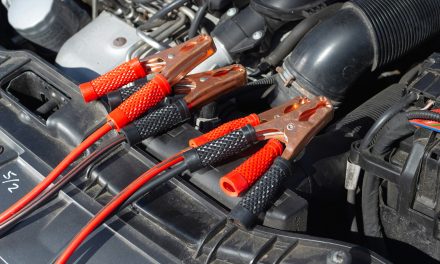
Using a multimeter set to measure current (amps), disconnect one terminal from the battery and connect the multimeter in series between the battery terminal and cable. This setup allows you to measure any current flowing from the battery into the vehicle’s electrical system. If readings exceed normal levels (20-50 mA), you will need to systematically isolate circuits by removing fuses one at a time until you identify which circuit is causing excessive draw.
Once you have identified the problematic circuit, further investigation into specific components within that circuit will be necessary to determine whether they are malfunctioning or improperly installed. Consulting with a qualified technician may also be beneficial for complex issues requiring specialized knowledge.
In summary, understanding parasitic draw is crucial for maintaining your vehicle’s electrical health and preventing unexpected battery failures. By recognizing common signs such as dim lights, frequent overnight drain, dashboard warning lights, slow engine cranking, malfunctioning accessories, unusual heat generation, and considering battery age, you can take proactive measures to address potential issues before they escalate into more significant problems. Regular testing and monitoring of parasitic draw levels will help ensure your vehicle remains reliable and functional over time.
FAQs
What is parasitic draw in a car?
Parasitic draw refers to the electrical current that continues to flow from the car’s battery when the vehicle is turned off. This draw can come from various components such as the radio, alarm system, or onboard computers that remain active even when the engine is not running.
How much parasitic draw is considered normal?
A normal parasitic draw for most vehicles is typically between 20 to 50 milliamps (mA). Draws above this range may indicate an issue with one of the electrical components or systems in the vehicle.
What can cause excessive parasitic draw?
Excessive parasitic draw can be caused by several factors, including malfunctioning electrical components, aftermarket accessories that are improperly installed, or a failing battery. Common culprits include lights that remain on, faulty relays, or a short circuit in the wiring.
How can I measure parasitic draw in my car?
To measure parasitic draw, you can use a multimeter set to the amperage setting. Disconnect the negative battery terminal and connect the multimeter leads in series between the battery terminal and the cable. This will allow you to read the current draw directly from the battery.
What should I do if I find high parasitic draw?
If you find that the parasitic draw is higher than normal, you should systematically check each electrical component in the vehicle. Start by removing fuses one at a time to identify which circuit is causing the excessive draw. Once identified, further diagnose or repair the specific component or wiring issue.