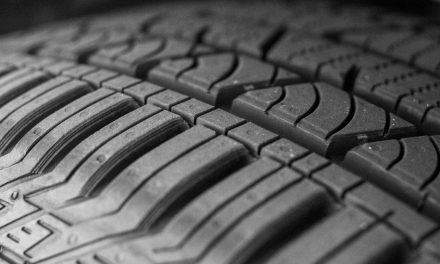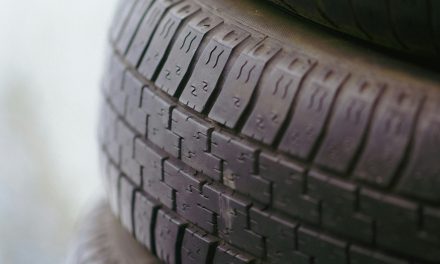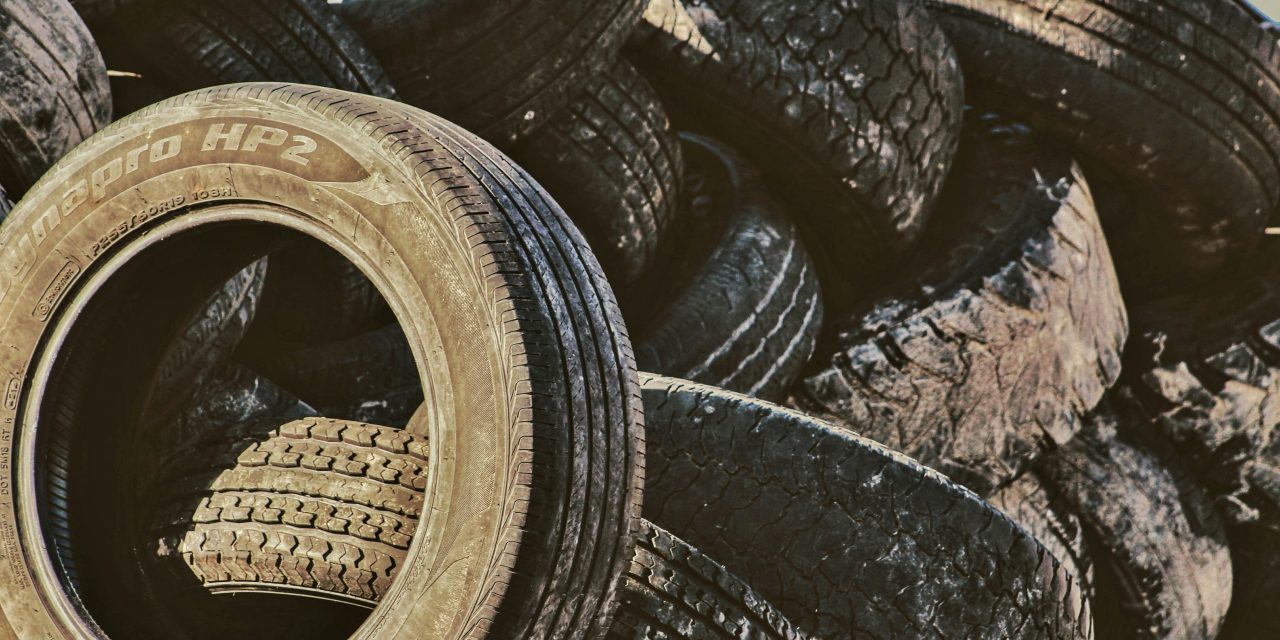
Dry rot, a term often associated with wood decay, also applies to the degradation of rubber materials, particularly in tires. This phenomenon occurs when tires are exposed to environmental factors that lead to the deterioration of their structural integrity. The rubber compounds in tires are designed to withstand various conditions, but prolonged exposure to ultraviolet (UV) light, ozone, and fluctuating temperatures can cause them to lose elasticity and strength. As a result, dry rot manifests as cracks and fissures on the tire’s surface, which can compromise safety and performance.
The implications of dry rot extend beyond mere aesthetics; they pose significant risks to vehicle safety. Tires are the only contact point between a vehicle and the road, and any degradation can lead to catastrophic failures. Understanding dry rot is crucial for vehicle owners, as it allows them to take proactive measures to maintain tire health and ensure safe driving conditions. Regular inspections and awareness of the signs of dry rot can prevent accidents and extend the lifespan of tires.
If you’re concerned about the condition of your tires, it’s essential to know how to identify dry rot, as it can significantly impact your vehicle’s safety and performance. For a comprehensive guide on maintaining your vehicle, you might find this article on how to tell if tires are dry rotted helpful. Additionally, if you’re interested in other maintenance tips, you can check out this article on how to whiten white clothes without using chlorine bleach, which offers useful insights for keeping your belongings in top shape.
Why Dry Rot Occurs: Common Causes and Conditions
Dry rot occurs due to a combination of environmental factors and tire maintenance practices. One of the primary culprits is exposure to UV radiation from sunlight. Over time, UV rays break down the chemical bonds in rubber, leading to a loss of flexibility and the formation of cracks. Additionally, ozone, a reactive gas found in the atmosphere, can exacerbate this process by attacking the rubber molecules, further accelerating deterioration.
Another contributing factor is improper tire storage and maintenance. Tires that are not rotated regularly or are left in one position for extended periods can develop uneven wear patterns, making them more susceptible to dry rot. Furthermore, inadequate inflation pressure can lead to excessive flexing of the tire sidewalls, increasing the likelihood of cracking. Environmental conditions such as extreme temperatures, humidity levels, and exposure to harsh chemicals can also play a significant role in the onset of dry rot.
Cracks on the Sidewalls: The First Visible Warning

One of the most noticeable signs of dry rot is the appearance of cracks on the sidewalls of tires. These fissures can range from superficial surface cracks to deep crevices that compromise the tire’s structural integrity. Sidewall cracks are often the first visible warning that a tire is experiencing dry rot, and they should not be ignored. Even small cracks can indicate underlying damage that may lead to tire failure.
The presence of sidewall cracks is a clear indication that the rubber has lost its elasticity and ability to absorb shocks effectively. This deterioration can lead to a decrease in traction and handling performance, especially during adverse weather conditions. Vehicle owners should conduct regular visual inspections of their tires, paying close attention to the sidewalls for any signs of cracking. If cracks are observed, it is essential to consult a tire professional for further evaluation and potential replacement.
Tread Separation: A Serious Safety Concern

Tread separation is another critical issue associated with dry rot that poses a serious safety concern for drivers. This condition occurs when the tread layer detaches from the tire casing, leading to a loss of traction and control while driving. Tread separation can be exacerbated by dry rot, as weakened rubber is more prone to delamination under stress.
The consequences of tread separation can be catastrophic, resulting in sudden tire blowouts that can cause accidents or loss of vehicle control. Signs of tread separation may include uneven wear patterns, vibrations while driving, or visible gaps between the tread and sidewall. Regular inspections should include checking for any signs of separation or abnormal wear. If any issues are detected, immediate action should be taken to replace the affected tires.
If you’re concerned about the condition of your tires, it’s important to know how to identify signs of dry rot, which can compromise safety and performance. For a deeper understanding of tire maintenance, you might find this article on essential tips helpful, as it provides insights into various aspects of vehicle care that can enhance your driving experience. Keeping your tires in good shape is crucial, and knowing the signs of deterioration can help you avoid potential hazards on the road.
Discoloration and Fading: Signs of Aging Rubber
Discoloration and fading are common indicators of aging rubber in tires, often linked to dry rot. As tires age, exposure to UV light and environmental pollutants can cause them to lose their original color and luster. This fading is not merely cosmetic; it signifies that the rubber compounds are breaking down and losing their protective properties.
In addition to aesthetic concerns, discoloration can also affect tire performance. Tires that have faded significantly may have reduced grip on wet surfaces due to compromised rubber quality. Vehicle owners should monitor their tires for any changes in color or texture, as these may indicate that the rubber is aging prematurely due to environmental factors or lack of proper maintenance.
Bulges and Blisters: Indicators of Internal Damage
Bulges and blisters on tires are alarming signs that indicate internal damage, often exacerbated by dry rot. These deformities occur when air or moisture becomes trapped within the tire structure, causing localized swelling. Bulges typically form due to weakened areas in the tire caused by prolonged exposure to harsh conditions or manufacturing defects.
The presence of bulges or blisters is a clear indication that the tire’s integrity has been compromised. Driving on tires with these deformities poses significant risks, including blowouts or loss of control while driving. Vehicle owners should conduct regular inspections for any signs of bulging or blistering and seek immediate professional assistance if such issues are detected.
Tires Feeling Brittle or Hard to the Touch
A telltale sign of dry rot is when tires feel brittle or hard to the touch. Healthy rubber should retain some flexibility; however, as tires age and undergo degradation due to environmental factors, they lose this elasticity. Brittle tires are more susceptible to cracking and other forms of damage, making them unsafe for driving.
When inspecting tires, vehicle owners should assess their feel by pressing down on the rubber surface. If it feels excessively hard or lacks pliability, it may be time for replacement. Brittle tires not only compromise safety but also affect overall vehicle performance, including handling and braking efficiency.
Uneven Wear Patterns: What They Reveal
Uneven wear patterns on tires can reveal underlying issues related to alignment, inflation pressure, or suspension problems. However, they can also indicate the onset of dry rot. When tires experience uneven wear due to improper maintenance or environmental factors, certain areas may become more susceptible to cracking and deterioration.
Regularly monitoring tire wear patterns is essential for maintaining optimal performance and safety. If uneven wear is detected, it is crucial to investigate potential causes such as misalignment or improper inflation before considering replacement due to dry rot. Addressing these issues promptly can extend tire life and enhance overall vehicle safety.
Frequent Loss of Tire Pressure Without a Leak
Frequent loss of tire pressure without an apparent leak can be a concerning sign related to dry rot. As tires degrade due to environmental exposure, micro-cracks may develop that allow air to escape slowly without visible punctures or leaks being present. This gradual loss of pressure can lead to under-inflation, which further exacerbates wear and increases the risk of blowouts.
Vehicle owners should regularly check tire pressure using a reliable gauge and monitor for any unusual fluctuations. If consistent pressure loss occurs despite no visible damage or leaks being found during inspections, it may be indicative of internal damage related to dry rot. In such cases, consulting with a tire professional for further evaluation is essential.
How to Perform a Quick Visual Inspection for Dry Rot
Performing a quick visual inspection for dry rot is an essential practice for maintaining tire health and safety. Vehicle owners should begin by examining each tire’s sidewalls for any visible cracks or fissures. Pay close attention to areas where sunlight exposure is most prevalent, as these regions are more susceptible to degradation.
Next, inspect the tread surface for signs of separation or uneven wear patterns that could indicate underlying issues related to dry rot. Look for discoloration or fading that may suggest aging rubber compounds. Finally, check for bulges or blisters that could signal internal damage. Conducting these inspections regularly—ideally every month—can help identify potential problems early on and ensure safe driving conditions.
When to Replace Your Tires: Safety Tips and Recommendations
Knowing when to replace tires is crucial for maintaining vehicle safety and performance. If any signs of dry rot are detected—such as cracks on sidewalls, tread separation, bulges, or excessive brittleness—immediate replacement is recommended. Additionally, if tires exhibit uneven wear patterns or frequent pressure loss without leaks, it may be time for new tires.
As a general guideline, tires should be replaced every six years regardless of tread depth if they show signs of aging or deterioration due to dry rot. Regularly consulting with a tire professional can provide valuable insights into tire health and help determine when replacement is necessary based on individual driving habits and conditions.
In summary, understanding dry rot is essential for maintaining tire health and ensuring safe driving conditions. By recognizing common causes and symptoms—such as sidewall cracks, tread separation, discoloration, bulges, brittleness, uneven wear patterns, and pressure loss—vehicle owners can take proactive measures to prevent accidents caused by tire failure. Regular visual inspections and timely replacements are key strategies for promoting safety on the road while extending tire lifespan.
FAQs
What are the signs of dry rot in tires?
Signs of dry rot in tires include visible cracks or splits in the sidewalls, a rough or brittle texture, discoloration, and a loss of flexibility. If the tire appears to have a chalky or powdery surface, it may also indicate dry rot.
How can I check my tires for dry rot?
To check for dry rot, visually inspect the tires for any cracks or signs of deterioration. You can also run your fingers along the sidewalls to feel for any roughness or brittleness. Additionally, check the tread for any unusual wear patterns or signs of aging.
What causes tires to dry rot?
Tires can dry rot due to prolonged exposure to sunlight, ozone, and extreme temperatures. Other factors include lack of use, improper storage, and the age of the tire. Rubber compounds in tires can degrade over time, leading to dry rot.
How often should I inspect my tires for dry rot?
It is recommended to inspect your tires for dry rot at least once a month, especially if the vehicle is not used frequently. Additionally, you should check them before long trips or seasonal changes to ensure they are safe for driving.
Can dry rotted tires be repaired?
In most cases, dry rotted tires cannot be repaired and should be replaced. The structural integrity of the tire is compromised, which poses a safety risk. It is best to consult a tire professional for an assessment and recommendations.