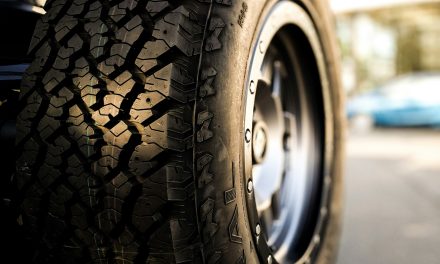
Flat spots on tires, often referred to as “flat spotting,” represent a common yet significant issue that can compromise vehicle performance and safety. These flat areas occur when a tire’s contact patch becomes uneven, leading to vibrations, noise, and an overall uncomfortable driving experience. Flat spotting can manifest in various ways, including noticeable wear patterns, reduced traction, and compromised handling characteristics. Understanding the underlying causes of flat spots is crucial for vehicle owners to mitigate risks and maintain optimal tire health.
The phenomenon of flat spotting is particularly prevalent in vehicles that experience prolonged periods of inactivity or those subjected to abrupt driving maneuvers. The rubber compounds used in tire manufacturing are designed to provide flexibility and grip; however, when subjected to specific conditions, they can deform and create flat areas. This deformation can lead to uneven wear and necessitate premature tire replacement. By recognizing the causes and implementing preventive measures, drivers can enhance their vehicle’s performance and extend the lifespan of their tires.
Flat spots on tires can be a common issue, often caused by prolonged periods of inactivity or improper storage conditions. When a vehicle remains stationary for an extended time, the weight of the car can create flat spots on the tires, leading to vibrations and a rough ride when driving. To learn more about maintaining your vehicle and preventing such issues, you might find this article on essential home maintenance tasks helpful: Top 10 Essential Home Maintenance Tasks for Every Season.
Cause 1: Prolonged Vehicle Inactivity
One of the primary contributors to flat spots on tires is prolonged vehicle inactivity. When a vehicle remains stationary for an extended period, the weight of the vehicle compresses the tire’s rubber in specific areas, leading to localized deformation. This is particularly common in vehicles that are stored for winter months or those that are infrequently used. The longer the tires remain stationary under load, the more pronounced the flat spots become.
To mitigate this issue, it is advisable for vehicle owners to periodically move their cars or rotate the tires while stationary. This movement allows the rubber to redistribute and reduces the likelihood of permanent deformation. Additionally, utilizing tire cradles or supports can help alleviate pressure on the tires during extended periods of inactivity, preserving their shape and integrity.
Cause 2: Abrupt Braking and Tire Lock-Up
Abrupt braking and tire lock-up are significant contributors to flat spotting, particularly in high-performance or emergency situations. When a driver suddenly applies the brakes with excessive force, the tires can skid against the road surface, causing localized heating and deformation. This phenomenon is exacerbated in vehicles equipped with anti-lock braking systems (ABS), where the tires may momentarily lose traction before regaining grip.
To prevent flat spots resulting from abrupt braking, drivers should practice smooth and gradual braking techniques. Maintaining a safe following distance allows for more controlled deceleration, reducing the likelihood of tire lock-up. Additionally, regular brake system maintenance ensures optimal performance and responsiveness, further minimizing the risk of sudden stops that could lead to flat spotting.
Cause 3: Improper Tire Inflation
Improper tire inflation is another critical factor contributing to flat spots on tires. Both over-inflation and under-inflation can lead to uneven wear patterns and localized deformation. Under-inflated tires tend to flex excessively at the sidewalls, causing increased heat buildup and potential flat spotting. Conversely, over-inflated tires may not adequately conform to the road surface, leading to reduced contact area and uneven wear.
To maintain proper tire inflation, vehicle owners should regularly check tire pressure using a reliable gauge. The recommended pressure levels can typically be found on a sticker located inside the driver’s door jamb or in the owner’s manual. Maintaining optimal tire pressure not only enhances fuel efficiency but also promotes even wear and prolongs tire life.
Flat spots on tires can be a frustrating issue for vehicle owners, often caused by prolonged periods of inactivity or improper inflation. When tires sit in one position for too long, the weight of the vehicle can create flat areas on the tire surface, leading to an uncomfortable driving experience. To learn more about maintaining your vehicle and preventing such issues, you might find this article on herb gardening interesting as it highlights the importance of care and attention in any maintenance routine. For more insights, check out this helpful guide.
Cause 4: Using Incorrect Tire Types for Conditions
Using incorrect tire types for specific driving conditions can significantly impact tire performance and contribute to flat spotting. For instance, summer tires may not provide adequate grip in winter conditions, leading to skidding and potential flat spots. Similarly, all-terrain tires may not perform optimally on smooth pavement, resulting in uneven wear patterns.
To prevent flat spotting associated with incorrect tire usage, it is essential for drivers to select tires that are appropriate for their typical driving conditions. All-season tires offer versatility for varying weather conditions, while specialized tires such as winter or performance tires provide enhanced grip and handling characteristics tailored to specific environments. Consulting with a tire professional can help ensure that the right type of tire is selected based on individual driving needs.
Cause 5: Worn Suspension Components Affecting Tire Contact
Worn suspension components can significantly affect how tires make contact with the road surface, leading to uneven wear and flat spots. Components such as struts, shocks, and bushings play a crucial role in maintaining proper alignment and contact between the tires and the road. When these components become worn or damaged, they can cause misalignment or excessive movement during driving.
To address this issue, regular inspections of suspension components are essential. Signs of wear may include unusual noises during driving, uneven tire wear patterns, or a noticeable decrease in ride quality. Replacing worn suspension parts promptly can restore proper alignment and contact between the tires and road surface, reducing the risk of flat spotting.
Cause 6: Excessive Heat Buildup During Driving
Excessive heat buildup during driving can lead to tire degradation and flat spotting. Factors such as high-speed driving, aggressive cornering, or under-inflation can contribute to increased heat generation within the tire structure. When tires operate at elevated temperatures for prolonged periods, the rubber compounds can soften and deform, resulting in flat spots.
To mitigate heat buildup, drivers should avoid aggressive driving behaviors that generate excessive friction and heat. Additionally, ensuring proper tire inflation helps maintain optimal operating temperatures during driving. Regularly inspecting tires for signs of overheating or damage can also help identify potential issues before they lead to flat spotting.
Cause 7: Overloading the Vehicle Beyond Capacity
Overloading a vehicle beyond its recommended weight capacity can place excessive stress on tires, leading to premature wear and flat spots. Each vehicle has a specified load rating that indicates the maximum weight it can safely carry; exceeding this limit can result in increased heat generation and deformation of the tire structure.
To prevent issues related to overloading, vehicle owners should familiarize themselves with their vehicle’s load capacity as outlined in the owner’s manual or on a label located inside the driver’s door jamb. Distributing weight evenly within the vehicle can also help minimize stress on individual tires. Regularly checking tire condition after carrying heavy loads ensures that any potential damage is addressed promptly.
Preventive Measure 1: Regular Tire Rotation and Maintenance
Regular tire rotation is a crucial preventive measure that helps ensure even wear across all four tires. By periodically changing the position of each tire on the vehicle—typically every 5,000 to 7,500 miles—drivers can promote uniform tread wear and extend tire lifespan. This practice helps mitigate flat spotting by allowing each tire to experience similar driving conditions.
In addition to rotation, routine maintenance such as balancing and alignment checks is essential for optimal tire performance. Balancing ensures that weight is evenly distributed across each tire, reducing vibrations and promoting even wear patterns. Alignment checks help maintain proper angles between the tires and road surface, preventing uneven wear caused by misalignment.
Preventive Measure 2: Proper Tire Inflation and Pressure Checks
Maintaining proper tire inflation is one of the most effective preventive measures against flat spotting. Regularly checking tire pressure using an accurate gauge ensures that each tire is inflated to its recommended level. Under-inflated tires are prone to excessive flexing and heat buildup, while over-inflated tires may suffer from reduced contact with the road surface.
Vehicle owners should check tire pressure at least once a month or before long trips when temperatures fluctuate significantly. It is advisable to perform this check when tires are cold for accurate readings. Investing in a quality air compressor or visiting a service station equipped with air pumps can facilitate regular inflation checks.
Preventive Measure 3: Avoiding Long Periods of Vehicle Idle and Using Tire Supports
To prevent flat spots caused by prolonged inactivity, vehicle owners should avoid leaving their cars idle for extended periods whenever possible. If a vehicle must be stored for an extended duration—such as during winter months—using tire supports or cradles can help alleviate pressure on the tires and maintain their shape.
Additionally, periodically moving the vehicle or rolling it forward slightly can help redistribute weight across all four tires. For those who anticipate long-term storage, consider inflating tires slightly above recommended levels before storing them; this compensates for potential air loss over time while minimizing deformation risks.
In summary, understanding flat spots on tires involves recognizing their causes—ranging from prolonged inactivity to improper inflation—and implementing preventive measures such as regular maintenance and appropriate usage practices. By addressing these factors proactively, vehicle owners can enhance safety, improve performance, and extend tire longevity.
### FAQ Section
1. **What are flat spots on tires?**
Flat spots are localized areas on a tire where the rubber has deformed due to prolonged pressure or improper usage patterns.
2. **How do I know if my tires have flat spots?**
Symptoms include vibrations while driving, uneven wear patterns visible on the tread surface, or unusual noises during operation.
3. **Can flat spots be repaired?**
In most cases, flat spots cannot be repaired; replacing affected tires is often necessary for safety reasons.
4. **How often should I rotate my tires?**
It is recommended to rotate your tires every 5,000 to 7,500 miles or as specified by your vehicle manufacturer.
5. **What is the ideal tire pressure?**
The ideal pressure varies by vehicle; refer to your owner’s manual or door jamb sticker for specific recommendations.
6. **Can I prevent flat spots from occurring?**
Yes! Regular maintenance practices such as proper inflation checks, routine rotations, and avoiding prolonged inactivity can significantly reduce risks.
7. **What should I do if I suspect my tires have flat spots?**
Consult a professional mechanic or tire specialist for an inspection; they can assess damage and recommend appropriate actions.
8. **Are certain types of vehicles more prone to flat spotting?**
Yes; vehicles that experience frequent abrupt stops or those that are stored for long periods without movement are more susceptible.
9. **How does temperature affect tire performance?**
Extreme temperatures can impact rubber flexibility; cold weather may cause hardening while excessive heat can lead to deformation.
10. **Is it safe to drive with flat-spotted tires?**
Driving with flat-spotted tires poses safety risks due to compromised handling; it is advisable to address this issue promptly.
In conclusion, understanding flat spots on tires involves recognizing their causes—ranging from prolonged inactivity to improper inflation—and implementing preventive measures such as regular maintenance and appropriate usage practices. By addressing these factors proactively, vehicle owners can enhance safety, improve performance, and extend tire longevity.
FAQs
What are flat spots on tires?
Flat spots on tires are areas where the tire has become flattened due to prolonged contact with a surface, often caused by the vehicle being stationary for an extended period or by hard braking. This results in uneven wear and can lead to vibrations while driving.
What causes flat spots on tires?
Flat spots can be caused by several factors, including leaving a vehicle parked in one position for too long, especially in cold weather, or sudden hard braking that causes the tire to skid. Additionally, under-inflated tires are more susceptible to developing flat spots.
How can I prevent flat spots on my tires?
To prevent flat spots, it is advisable to regularly move your vehicle if it will be parked for an extended period. Keeping tires properly inflated and using tire cradles or blocks can also help. If storing a vehicle long-term, consider using jack stands to lift the tires off the ground.
Can flat spots on tires be repaired?
In many cases, flat spots cannot be repaired and may require tire replacement, especially if they cause significant vibrations or handling issues. However, if the flat spots are minor, a tire technician may be able to smooth them out through a process called tire balancing.
How do I know if my tires have flat spots?
You may notice flat spots on your tires if you experience vibrations while driving, particularly at certain speeds. Additionally, visual inspection may reveal uneven wear patterns or flat areas on the tire surface. If in doubt, it’s best to consult a tire professional for an assessment.