Rolled oats, a staple in many households, are celebrated for their nutritional benefits and versatility in cooking. Understanding their shelf life is crucial for maintaining their quality and ensuring safety. Typically, rolled oats have a shelf life of about 6 to 12 months when stored properly. This timeframe can vary based on factors such as the packaging, storage conditions, and whether the oats are opened or unopened. Unopened packages of rolled oats can last longer due to the absence of exposure to air and moisture, which are primary contributors to spoilage.
The nutritional profile of rolled oats includes essential vitamins, minerals, and dietary fiber, making them an excellent choice for breakfast or as an ingredient in various recipes. However, over time, even the most nutrient-dense foods can lose their flavor and texture. Rancidity is a common issue that arises when oats are stored improperly, leading to an unpleasant taste and odor. Therefore, understanding the shelf life of rolled oats is not just about safety; it’s also about preserving their delightful qualities.
When considering the shelf life of rolled oats, it’s important to also explore how proper storage can enhance their longevity. For more insights on maintaining the quality of food products and other essential care tips, you might find this article helpful: Top 10 Essential Tips for Sphynx Cat Care and Grooming. Proper care and storage techniques can significantly impact the freshness and usability of various food items, including rolled oats.
Choosing the Right Storage Containers
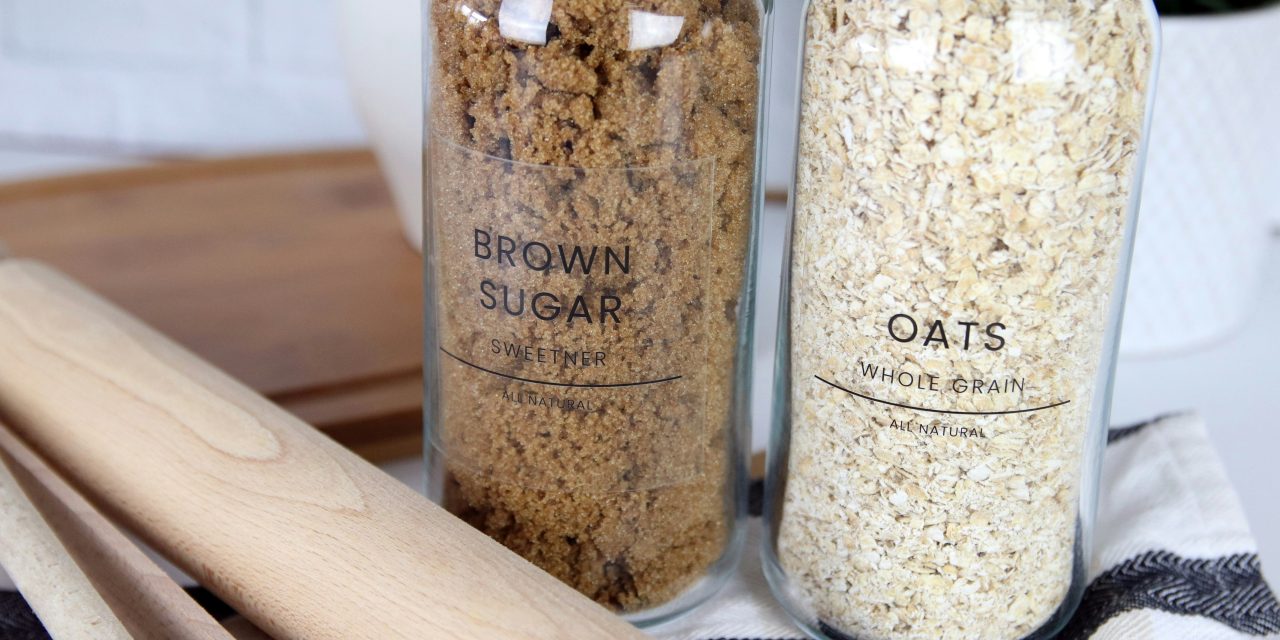
Selecting appropriate storage containers is vital for extending the shelf life of rolled oats. Glass jars, plastic containers, and vacuum-sealed bags are excellent options that can help maintain freshness. Glass jars are particularly advantageous because they are non-reactive and do not impart any flavors to the oats. Additionally, they provide a clear view of the contents, allowing for easy monitoring of the quantity remaining.
Plastic containers should be BPA-free to avoid chemical leaching into the food. When choosing a container, ensure it has a tight-fitting lid to minimize air exposure. Vacuum-sealed bags are another excellent choice for long-term storage, as they remove air and create a barrier against moisture and pests. Regardless of the container type, it is essential to ensure that it is clean and dry before adding rolled oats to prevent contamination.
Keeping Oats in a Cool, Dry Place

The environment in which rolled oats are stored plays a significant role in their longevity. A cool, dry place is ideal for maintaining their quality. The pantry or a kitchen cupboard away from heat sources such as stoves or ovens is often suitable. High temperatures can accelerate the degradation of fats present in oats, leading to rancidity and spoilage.
Humidity is another critical factor to consider when storing rolled oats. Excess moisture can promote mold growth and attract pests. Therefore, it is advisable to keep oats away from areas prone to humidity, such as near sinks or dishwashers. By ensuring that rolled oats are stored in a stable environment with low humidity and temperature fluctuations, you can significantly extend their shelf life.
Avoiding Exposure to Light and Heat

Light exposure can adversely affect the quality of rolled oats over time. Ultraviolet rays can degrade vitamins and other nutrients, diminishing the health benefits associated with this whole grain. Therefore, it is essential to store oats in opaque containers or in dark places to shield them from light.
Heat is another enemy of rolled oats. Prolonged exposure to high temperatures can lead to rancidity and spoilage. It is advisable to avoid storing oats near appliances that generate heat or in areas that experience significant temperature fluctuations throughout the day. By minimizing exposure to both light and heat, you can help preserve the nutritional integrity and flavor of rolled oats.
When considering the shelf life of rolled oats, it’s important to understand how proper storage can significantly extend their freshness. For those interested in culinary techniques that can enhance their meals, you might find it useful to explore how to reverse sear a steak for an evenly cooked center. This method not only elevates your cooking skills but also complements a nutritious breakfast featuring rolled oats. To learn more about this cooking technique, check out the article here.
Using Airtight Seals to Prevent Moisture
Moisture control is paramount when it comes to storing rolled oats effectively. Airtight seals are essential for preventing moisture from entering the storage container. When moisture infiltrates the container, it can lead to clumping, spoilage, and mold growth. Therefore, investing in containers with airtight seals is a wise decision for anyone looking to maintain the quality of their oats.
In addition to using airtight containers, consider adding desiccants—small packets that absorb moisture—to your storage solution. These packets can help keep humidity levels low within the container, further protecting your rolled oats from spoilage. By employing airtight seals and moisture-absorbing agents, you can create an optimal storage environment for your rolled oats.
When considering the shelf life of rolled oats, it’s important to understand how proper storage can significantly extend their usability. For more insights on maintaining food quality and longevity, you might find this article on food preservation techniques helpful. It discusses various methods to keep your pantry staples fresh, ensuring that your rolled oats remain nutritious and safe to consume over time. You can read more about it in this related article.
Storing Rolled Oats in the Refrigerator or Freezer
For those who wish to extend the shelf life of rolled oats even further, refrigeration or freezing is an excellent option. Storing rolled oats in the refrigerator can help slow down the oxidation process that leads to rancidity. However, it is crucial to ensure that they are stored in airtight containers to prevent moisture absorption from the refrigerator environment.
Freezing rolled oats is another effective method for long-term storage. When properly sealed in freezer-safe bags or containers, rolled oats can last for several years without significant loss of quality. To use frozen oats, simply remove the desired portion and allow them to thaw at room temperature or add them directly to cooking recipes without thawing. This method not only preserves freshness but also provides convenience for meal preparation.
Portioning Oats to Minimize Air Exposure
Portioning rolled oats into smaller servings can significantly reduce air exposure each time you access them. Instead of opening a large container repeatedly, consider dividing your oats into smaller portions that can be used within a short timeframe. This practice minimizes the amount of air that enters the main storage container, thereby reducing oxidation and prolonging freshness.
Using resealable bags or smaller airtight containers for portioning allows for easy access while maintaining the integrity of the remaining oats. This method also encourages mindful consumption and helps prevent waste by ensuring that you only take out what you need at any given time.
Avoiding Cross-Contamination with Other Foods
Cross-contamination is a significant concern when storing food items together. Rolled oats should be kept separate from strong-smelling foods such as spices or onions, as they can absorb odors that may alter their flavor profile. Additionally, storing oats alongside foods that may contain moisture can lead to spoilage.
To prevent cross-contamination, designate specific storage areas for rolled oats and other grains or ingredients. Using separate containers for different food items will help maintain their unique flavors and prevent any unwanted transfer of odors or moisture.
Regularly Checking for Signs of Spoilage
Regular inspections of your stored rolled oats are essential for ensuring their quality over time. Signs of spoilage include off odors, discoloration, or the presence of mold or insects. If you notice any of these indicators, it is best to discard the affected oats immediately to avoid potential health risks.
Additionally, checking for clumping or unusual textures can signal moisture exposure or spoilage. By routinely assessing your stored oats, you can catch any issues early on and take appropriate action to maintain their quality.
Labeling and Dating Your Oats for Better Rotation
Labeling storage containers with dates is an effective strategy for managing your rolled oats inventory. By marking when you purchased or opened a package, you can easily track how long they have been stored and prioritize using older items first. This practice helps ensure that you consume your oats while they are still fresh and flavorful.
Incorporating a rotation system into your pantry organization can further enhance this process. Place newer packages behind older ones so that you naturally reach for the older items first when preparing meals or snacks.
Tips for Reviving Slightly Stale Rolled Oats
If you find yourself with slightly stale rolled oats, there are several methods to revive their flavor and texture before use. One effective technique involves lightly toasting them in a dry skillet over medium heat for a few minutes until they become fragrant. This process enhances their nutty flavor and can make them more palatable.
Another option is to incorporate stale oats into recipes where they will be cooked with liquid, such as oatmeal or baked goods like cookies or granola bars. The moisture from these recipes can help rehydrate the oats and restore some of their original texture.
In summary, understanding how to store rolled oats effectively is crucial for maintaining their quality and nutritional value over time. By choosing appropriate storage containers, keeping them in cool and dry places away from light and heat, using airtight seals, portioning wisely, avoiding cross-contamination, regularly checking for spoilage signs, labeling containers for better rotation, and employing techniques to revive stale oats, you can enjoy this nutritious grain at its best for months on end.
FAQs
What is the typical shelf life of rolled oats?
The typical shelf life of rolled oats is about 1 to 2 years when stored properly in a cool, dry place. However, if kept in an airtight container, they can last even longer, sometimes up to 3 years.
How can I tell if my rolled oats have gone bad?
You can tell if rolled oats have gone bad by checking for signs such as an off smell, discoloration, or the presence of mold or insects. If they have a rancid odor or taste, it’s best to discard them.
Do rolled oats need to be refrigerated or frozen for longer shelf life?
While rolled oats do not need to be refrigerated or frozen, doing so can extend their shelf life. Storing them in the refrigerator or freezer can help prevent rancidity and keep them fresh for a longer period.
Can I use rolled oats after the expiration date?
Yes, you can often use rolled oats after the expiration date if they have been stored properly and show no signs of spoilage. However, their quality may decline over time, affecting taste and texture.
What is the best way to store rolled oats for maximum freshness?
The best way to store rolled oats for maximum freshness is to keep them in an airtight container in a cool, dry place away from direct sunlight. For extended storage, consider using vacuum-sealed bags or freezing them.