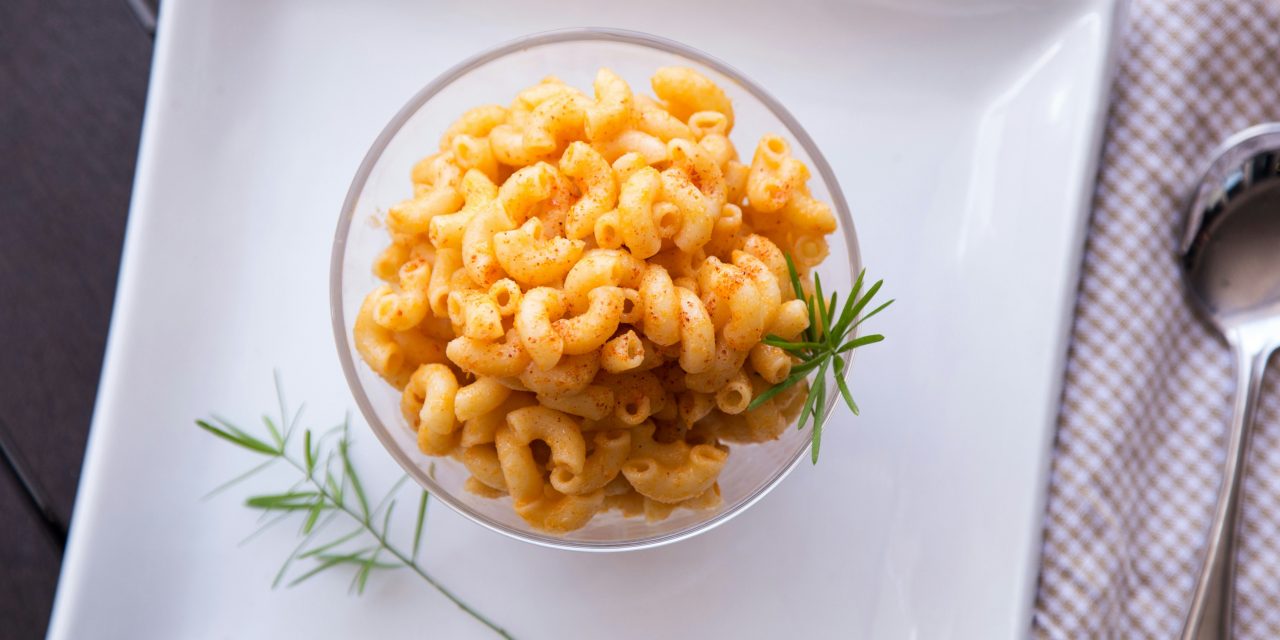
Selecting the appropriate cheese is paramount when crafting a creamy mac and cheese. Cheeses such as Gruyère, Fontina, and Havarti are renowned for their melting properties and rich textures. Gruyère, with its nutty flavor profile, melts beautifully, creating a velvety consistency that elevates the dish. Fontina, on the other hand, is known for its creamy texture and mild taste, making it an excellent choice for those who prefer a subtler flavor. Havarti, with its buttery richness, adds an extra layer of creaminess that can transform a standard mac and cheese into a gourmet experience.
In addition to these options, incorporating a cheese with a sharper flavor, such as aged cheddar or Gouda, can enhance the overall taste profile. Aged cheddar provides a robust flavor that contrasts beautifully with the creaminess of softer cheeses. The combination of these cheeses not only ensures a luscious texture but also creates a complex flavor that tantalizes the palate. When selecting cheeses, consider their melting characteristics and flavor profiles to achieve the desired creaminess in your dish.
To ensure your baked mac and cheese remains creamy and delicious, it’s important to follow a few key tips, such as using a combination of cheeses and adding extra moisture. For more insights on maintaining the right texture in your dishes, you might find this article on grooming and caring for a French Bulldog’s skin folds interesting, as it highlights the importance of proper care and attention in achieving the best results. You can read it here: How to Groom a French Bulldog and Care for Its Skin Folds.
Use a Combination of Cheeses for Depth of Flavor
Utilizing a blend of cheeses is essential for achieving depth in flavor. By combining different varieties, you can create a harmonious balance that enhances the overall taste experience. For instance, mixing sharp cheddar with creamy mozzarella can yield a delightful contrast between sharpness and smoothness. This combination not only provides a rich mouthfeel but also introduces layers of flavor that keep each bite interesting.
Moreover, experimenting with regional cheeses can add unique characteristics to your mac and cheese. For example, incorporating a touch of blue cheese can introduce an unexpected tanginess that complements the creaminess of the dish. Similarly, adding a hint of smoked cheese can impart a subtle smokiness that elevates the dish to new heights. The key is to strike a balance between flavors; too much of one type can overpower the others. Aim for a blend that showcases the strengths of each cheese while maintaining an overall cohesive flavor profile.
Incorporate a Creamy Sauce Base

The foundation of any exceptional mac and cheese lies in its sauce base. A creamy béchamel sauce serves as an ideal starting point, combining butter, flour, and milk to create a smooth and velvety texture. Begin by melting butter in a saucepan over medium heat, then whisk in flour to form a roux. Gradually add milk while continuously stirring to prevent lumps from forming. This technique ensures a silky sauce that clings beautifully to the pasta.
To enhance the richness of the sauce, consider incorporating additional ingredients such as cream or sour cream. Heavy cream can elevate the sauce’s creaminess, while sour cream adds a tangy note that balances the richness. Infusing the sauce with seasonings like garlic powder, onion powder, or mustard powder can further enhance its flavor profile. The result is a luxurious sauce that envelops the pasta, creating an indulgent mac and cheese experience.
Avoid Overcooking the Pasta

One common pitfall when preparing mac and cheese is overcooking the pasta. Overcooked pasta can become mushy and lose its structural integrity, resulting in an unappealing texture in the final dish. To prevent this, it is crucial to cook the pasta al dente—firm to the bite—before combining it with the cheese sauce. This ensures that the pasta retains its shape and provides a satisfying chew.
When cooking pasta for mac and cheese, follow package instructions but reduce the cooking time by one or two minutes. This slight adjustment allows for carryover cooking during baking, ensuring that the pasta reaches the perfect texture without becoming overly soft. Additionally, rinsing the pasta under cold water after draining can halt the cooking process and prevent further softening. By taking these precautions, you can achieve a delightful balance between creamy sauce and perfectly cooked pasta.
To ensure your baked mac and cheese remains creamy and delicious, consider incorporating some of the techniques mentioned in a related article about successful herb gardening at home. Fresh herbs can elevate the flavor profile of your dish while also adding moisture. For more insights on how to enhance your cooking with fresh ingredients, check out this informative piece on herb gardening. By using fresh herbs, you not only improve taste but also help maintain the desired texture of your mac and cheese.
Add a Touch of Milk or Cream Before Baking
Incorporating a splash of milk or cream before baking can significantly enhance the creaminess of your mac and cheese. This step is particularly beneficial if you prefer a saucier consistency in your final dish. Adding milk or cream not only enriches the sauce but also helps to create steam during baking, which contributes to a moist texture.
When preparing to bake your mac and cheese, pour in just enough milk or cream to achieve your desired consistency—typically around half a cup for a standard recipe. Stir it into the mixture thoroughly to ensure even distribution throughout the pasta and cheese blend. This simple addition can make all the difference in achieving that coveted creamy texture that mac and cheese aficionados crave.
Cover the Dish While Baking to Retain Moisture
Covering your mac and cheese while it bakes is an effective technique for retaining moisture and preventing dryness. When exposed to direct heat, dishes can lose moisture quickly, leading to an undesirable texture. By covering your baking dish with aluminum foil or a lid during the initial stages of baking, you create a steamy environment that keeps the dish moist.
After approximately 20-25 minutes of covered baking, remove the foil to allow for browning on top. This method ensures that your mac and cheese remains creamy throughout while still achieving that desirable golden crust on top. The combination of steam and dry heat creates an ideal baking environment that results in a perfectly balanced dish.
Stir in Extra Cheese or Sauce Midway Through Baking
For those who crave an extra cheesy experience, consider stirring in additional cheese or sauce midway through baking. This technique allows for enhanced creaminess and flavor as the added ingredients melt into the existing mixture. About halfway through the baking time, carefully remove the dish from the oven and stir in your choice of shredded cheese or additional béchamel sauce.
This step not only amplifies the cheesy goodness but also ensures that every bite is packed with flavor. As the dish continues to bake after this addition, the extra cheese will melt beautifully into the mixture, creating an even more indulgent experience. This method is particularly effective if you’re using multiple types of cheese; it allows each variety to shine through while contributing to an overall creamy texture.
Use Freshly Grated Cheese Instead of Pre-Shredded
Opting for freshly grated cheese rather than pre-shredded varieties can significantly impact both flavor and texture in your mac and cheese. Pre-shredded cheeses often contain anti-caking agents that can affect melting properties and lead to a grainy texture when baked. Freshly grated cheese melts more smoothly and integrates seamlessly into sauces.
When grating cheese at home, choose high-quality blocks of cheese for optimal results. Using a box grater or food processor can expedite this process while ensuring you have control over the size of your shreds. The fresher taste and superior melting qualities of freshly grated cheese will elevate your mac and cheese from ordinary to extraordinary.
Include a Little Butter for Richness
Incorporating butter into your mac and cheese recipe adds an extra layer of richness that enhances overall flavor and creaminess. Butter not only contributes to a luxurious mouthfeel but also helps to bind ingredients together seamlessly. When preparing your béchamel sauce, consider adding an additional tablespoon or two of butter for optimal richness.
Furthermore, drizzling melted butter over the top before baking can create an enticing golden crust while enhancing flavor complexity. The combination of butter with other ingredients such as breadcrumbs or herbs can elevate your dish further by adding texture and depth. This simple addition can transform your mac and cheese into an indulgent comfort food masterpiece.
Let the Mac and Cheese Rest Before Serving
Allowing your mac and cheese to rest before serving is crucial for achieving optimal texture and flavor integration. After removing it from the oven, let it sit for about 10-15 minutes before digging in. This resting period allows the sauce to thicken slightly as it cools down, resulting in a more cohesive dish.
During this time, flavors meld together beautifully, enhancing each bite’s overall taste experience. Additionally, resting prevents scalding from hot cheese sauce while serving, ensuring everyone enjoys their meal comfortably. Patience pays off when it comes to mac and cheese; taking this extra step will yield delicious results.
Store Leftovers Properly to Maintain Creaminess
Proper storage techniques are essential for preserving the creaminess of leftover mac and cheese. To maintain its texture and flavor, transfer any uneaten portions into an airtight container promptly after serving. Avoid leaving it at room temperature for extended periods to prevent bacterial growth.
When reheating leftovers, consider adding a splash of milk or cream to restore moisture before placing it in the microwave or oven. Covering it during reheating will help retain steam and prevent drying out. By following these storage tips, you can enjoy creamy mac and cheese even days after its initial preparation.
In summary, crafting an exceptional mac and cheese involves careful selection of cheeses for creaminess, utilizing combinations for depth of flavor, incorporating creamy sauce bases, avoiding overcooked pasta, adding milk or cream before baking, covering dishes during baking for moisture retention, stirring in extra ingredients midway through baking, using freshly grated cheese instead of pre-shredded varieties, including butter for richness, allowing resting time before serving, and storing leftovers properly to maintain creaminess. By following these guidelines meticulously, you can create a delectable dish that delights both family and friends alike!
FAQs
What are some common reasons baked mac and cheese dries out?
Baked mac and cheese can dry out due to several factors, including overcooking, insufficient moisture in the cheese sauce, or not covering the dish while baking. Additionally, using low-fat cheese can result in a drier texture, as it may not melt as well as full-fat options.
How can I add moisture to baked mac and cheese before baking?
To add moisture, you can incorporate additional milk or cream into the cheese sauce before baking. Another option is to mix in some sour cream or cream cheese for a creamier texture. Ensuring that the pasta is well-coated with the sauce will also help retain moisture during baking.
Should I cover my baked mac and cheese while it cooks?
Yes, covering your baked mac and cheese with aluminum foil during the first part of the baking process can help trap steam and moisture, preventing it from drying out. You can remove the foil during the last 10-15 minutes of baking to allow the top to brown and become crispy.
What temperature should I bake mac and cheese to prevent it from drying out?
Baking mac and cheese at a moderate temperature, typically around 350°F (175°C), helps ensure even cooking without drying it out. Baking at too high a temperature can cause the sauce to evaporate quickly, leading to a dry dish.
Can I reheat leftover baked mac and cheese without it drying out?
Yes, you can reheat leftover baked mac and cheese without it drying out by adding a splash of milk or cream before reheating. Cover the dish with foil or a lid to retain moisture, and reheat it in the oven at a low temperature until warmed through, or use the microwave with short intervals and stirring in between.