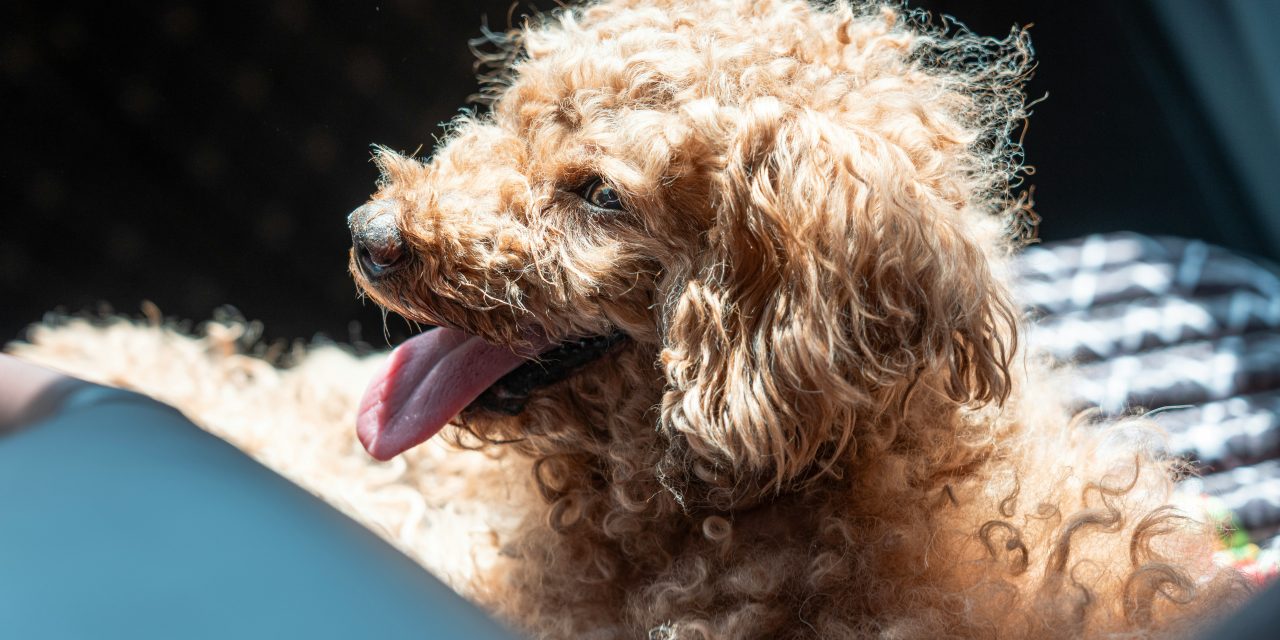
Pet hair is notorious for its ability to cling stubbornly to various surfaces, particularly car seats. This phenomenon can be attributed to several factors, including the unique structure of pet hair and the materials commonly used in car upholstery. Pet hair is often composed of fine, lightweight fibers that can easily become embedded in fabric due to static electricity and the friction created during movement. The microscopic barbs on individual strands of hair can latch onto the fibers of car seats, making removal a daunting task.
Moreover, the type of upholstery in your vehicle plays a significant role in how easily pet hair adheres. Fabrics such as velour or microfiber tend to trap hair more effectively than smoother materials like leather or vinyl. This challenge is compounded by the fact that pet owners often transport their furry companions frequently, leading to a buildup of hair over time. Understanding these dynamics is crucial for developing effective strategies for maintaining a clean car interior.
If you’re struggling with pet hair on your car seats, you might find it helpful to explore additional tips on caring for your furry friends. For instance, understanding how to keep your aging dog comfortable can also lead to better grooming habits that minimize shedding. You can read more about this in the article on senior dog care, which offers valuable insights on maintaining your pet’s well-being. Check it out here: Senior Dog Care Guide.
Preparing Your Car Interior for Hair Removal
Before embarking on the task of removing pet hair from your vehicle, it is essential to prepare the interior adequately. Start by removing any loose items from the seats and floor, including bags, toys, and other debris that may obstruct your cleaning efforts. This initial step not only creates a clear workspace but also allows you to assess the extent of the pet hair problem.
Next, consider vacuuming the car interior thoroughly. Use a handheld vacuum or a standard vacuum cleaner with a hose attachment to eliminate larger clumps of hair and debris. Pay special attention to crevices and corners where hair tends to accumulate. This preliminary vacuuming will make subsequent cleaning methods more effective by reducing the overall volume of hair present.
Using a Rubber Glove to Lift Pet Hair Effortlessly

One of the simplest yet most effective methods for removing pet hair from car seats involves using a rubber glove. The rubber material generates static electricity when rubbed against fabric, which helps lift hair away from upholstery. To utilize this technique, don a clean rubber glove and dampen it slightly with water.
Begin by running your gloved hand over the surface of the seats in a sweeping motion. The pet hair will cling to the glove due to static attraction, allowing for easy collection. This method is particularly effective on fabric seats, where hair tends to embed deeply into the fibers. Once you have gathered a sufficient amount of hair on the glove, simply rinse it off under running water and repeat as necessary.
Employing a Lint Roller for Quick and Effective Hair Pickup

For those seeking a quick and efficient solution for pet hair removal, a lint roller is an invaluable tool. This device consists of a handle with a sticky adhesive sheet that can easily pick up hair and other debris from various surfaces. To use a lint roller effectively, simply roll it over the affected areas of your car seats, applying gentle pressure to ensure maximum adhesion.
The convenience of a lint roller lies in its portability; it can be kept in your car for on-the-go cleaning. Additionally, it works well on both fabric and leather surfaces, making it versatile for different types of upholstery. When the adhesive sheet becomes full, simply peel it away to reveal a fresh layer underneath, allowing for continued use without interruption.
If you’re struggling with pet hair on your car seats, you might find it helpful to explore some effective techniques for removal. One useful resource is an article that discusses various methods to tackle this common issue, ensuring your vehicle stays clean and comfortable. Additionally, while you’re at it, you may want to check out another informative piece that highlights important home maintenance tips, which can be found here. Keeping your car and home in great shape can make a significant difference in your overall living experience.
Utilizing a Vacuum Cleaner with Specialized Attachments
Investing in a vacuum cleaner equipped with specialized attachments can significantly enhance your ability to remove pet hair from car interiors. Many modern vacuum cleaners come with pet-specific tools designed to tackle stubborn hair effectively. These attachments often include rubberized bristles or motorized brushes that agitate fabric fibers, loosening embedded hair for easier removal.
When using a vacuum cleaner, focus on areas where pet hair tends to accumulate, such as seat seams, floor mats, and under seats. Employing a crevice tool can help reach tight spaces where hair often hides. Regular vacuuming not only removes existing hair but also prevents future buildup, contributing to a cleaner and more pleasant driving environment.
If you’re struggling with pet hair on your car seats, you might find it helpful to explore some effective cleaning techniques. One useful resource is an article that discusses various methods for removing stubborn pet hair from different surfaces, which can be particularly handy for pet owners. Additionally, if you have other household maintenance issues, you can check out this informative piece on why your kitchen sink might be leaking underneath and the potential fixes for it. For more details, visit this article to ensure your home stays in top shape while you tackle the pet hair in your car.
Applying Fabric Softener Solution to Loosen Stubborn Hair
For particularly stubborn pet hair that resists conventional removal methods, a fabric softener solution can be an effective remedy. Fabric softeners contain surfactants that help reduce static cling and loosen fibers, making it easier to dislodge embedded hair from upholstery. To create this solution, mix equal parts fabric softener and water in a spray bottle.
Lightly mist the affected areas of your car seats with the solution, allowing it to sit for several minutes to penetrate the fibers. Afterward, use a microfiber cloth or sponge to wipe away the loosened hair gently. This method not only aids in hair removal but also leaves behind a pleasant scent, enhancing the overall ambiance of your vehicle.
Using a Pumice Stone to Scrape Away Embedded Pet Hair
A pumice stone may seem like an unconventional tool for pet hair removal, but its abrasive texture can be surprisingly effective on certain upholstery types. When used correctly, it can help scrape away embedded pet hair without damaging the fabric. To employ this method, gently rub the pumice stone over the affected areas in a circular motion.
Be cautious when using this technique on delicate fabrics; test it on an inconspicuous area first to ensure no damage occurs. The pumice stone works best on carpets or heavier fabrics where hair tends to become deeply embedded. After scraping away the hair, vacuum the area to collect any loose strands that may have been dislodged during the process.
Leveraging Tape or Pet Hair Removal Sheets for Small Areas
For quick touch-ups or small areas where pet hair has accumulated, tape or specialized pet hair removal sheets can be highly effective. Simply wrap a piece of tape around your hand with the sticky side facing outwards and press it against the affected area. The adhesive will pick up pet hair effortlessly.
Alternatively, consider using commercially available pet hair removal sheets designed specifically for this purpose. These sheets often feature strong adhesive properties that allow them to capture even the finest strands of hair effectively. Both methods are ideal for quick clean-ups between more thorough cleaning sessions.
Incorporating a Damp Sponge Technique for Smooth Surfaces
For vehicles with leather or vinyl seats, employing a damp sponge can be an effective method for removing pet hair without causing damage. Dampen a clean sponge with water and gently wipe it across the surface of the seats in long strokes. The moisture helps create a slight static charge that attracts pet hair while preventing it from becoming embedded further into the material.
This technique is particularly useful for maintaining cleanliness in vehicles with smooth surfaces that may be more challenging to clean using traditional methods. After wiping down the seats with the damp sponge, use a microfiber cloth to dry off any excess moisture and ensure no residue remains.
Preventative Measures: Protecting Your Car Seats from Future Hair
Preventing pet hair accumulation in your vehicle is far more manageable than removing it once it has settled into upholstery. One effective strategy is to invest in protective seat covers designed specifically for pet owners. These covers create a barrier between your pet and your car’s upholstery, making cleanup significantly easier.
Additionally, consider establishing designated areas within your vehicle for your pets during travel. Using pet seat belts or carriers can help contain shedding and minimize loose fur throughout your car’s interior. Regular grooming sessions for your pets can also reduce shedding significantly, further decreasing the amount of hair that makes its way into your vehicle.
Final Tips for Maintaining a Hair-Free Car Interior
Maintaining a clean car interior free from pet hair requires consistent effort and proactive measures. Regularly vacuuming your vehicle at least once every two weeks can help prevent excessive buildup and keep your upholstery looking fresh. Additionally, consider keeping cleaning supplies readily available in your car for quick touch-ups after outings with your pets.
Establishing a routine grooming schedule for your pets can also contribute significantly to reducing shedding and minimizing messes in your vehicle. By combining these strategies with effective cleaning techniques discussed earlier, you can enjoy a cleaner driving experience while ensuring your furry companions remain comfortable during travel.
In summary, effectively managing pet hair in your vehicle involves understanding why it clings so stubbornly and employing various cleaning techniques tailored to different surfaces and situations. From utilizing rubber gloves and lint rollers to investing in specialized vacuum attachments and protective seat covers, there are numerous strategies available for maintaining a clean car interior free from pet fur. By implementing preventative measures and establishing regular cleaning routines, you can enjoy both cleanliness and comfort while traveling with your beloved pets.
FAQs
What are some effective tools for removing pet hair from car seats?
Effective tools for removing pet hair from car seats include rubber gloves, lint rollers, vacuum cleaners with pet hair attachments, and specialized pet hair removal brushes. Rubber gloves can create static electricity to attract hair, while lint rollers can easily pick up loose fur. A vacuum with a pet hair attachment is also highly effective for deep cleaning.
Can I use household items to remove pet hair from my car seats?
Yes, several household items can be used to remove pet hair from car seats. For example, a damp sponge or cloth can help gather hair, while a squeegee can effectively pull hair from fabric surfaces. Additionally, using a balloon can create static electricity to lift hair off the seats.
Is it better to remove pet hair when it’s dry or wet?
It is generally better to remove pet hair when it is dry. Dry hair tends to be easier to lift and collect, while wet hair can become matted and stick to the fabric of the seats. However, if the hair is particularly stubborn, lightly dampening the surface can help loosen it.
How often should I clean pet hair from my car seats?
The frequency of cleaning pet hair from car seats depends on how often you travel with your pet. If you frequently take your pet in the car, it’s advisable to clean the seats at least once a week. For occasional trips, a monthly cleaning may suffice. Regular maintenance can prevent hair buildup and make cleaning easier.
Are there any products specifically designed for pet hair removal?
Yes, there are several products specifically designed for pet hair removal, including pet hair removal brushes, rubber pet hair removers, and adhesive lint rollers. Many of these products are designed to effectively capture and remove pet hair from various surfaces, including car seats, making them a convenient option for pet owners.