Proper storage of beef is crucial for maintaining its quality, flavor, and safety. Beef is a perishable product that can harbor harmful bacteria if not stored correctly. The USDA recommends that beef should be refrigerated or frozen promptly after purchase to prevent spoilage. When beef is stored improperly, it can lead to foodborne illnesses such as E. coli and Salmonella, which can have severe health implications. Understanding the importance of proper storage techniques not only ensures the longevity of the meat but also protects consumers from potential health risks.
Moreover, the quality of beef can deteriorate due to exposure to air, light, and fluctuating temperatures. Oxidation can lead to rancidity, while microbial growth can cause spoilage. Therefore, implementing effective storage methods is essential for preserving the meat’s nutritional value and sensory attributes. By adhering to best practices in beef storage, consumers can enjoy fresh, flavorful meat while minimizing waste and maximizing their investment.
When it comes to ensuring the longevity of your beef in the refrigerator, understanding proper storage techniques is crucial. For more insights on maintaining the freshness of your food, you might find this article on managing household pests particularly interesting, as it discusses how to keep your kitchen environment clean and safe: How to Get Rid of Fungus Gnats in Houseplants. Keeping your refrigerator free from unwanted pests can help prolong the life of your meat and other perishables.
Choosing the Right Cut for Longer Freshness
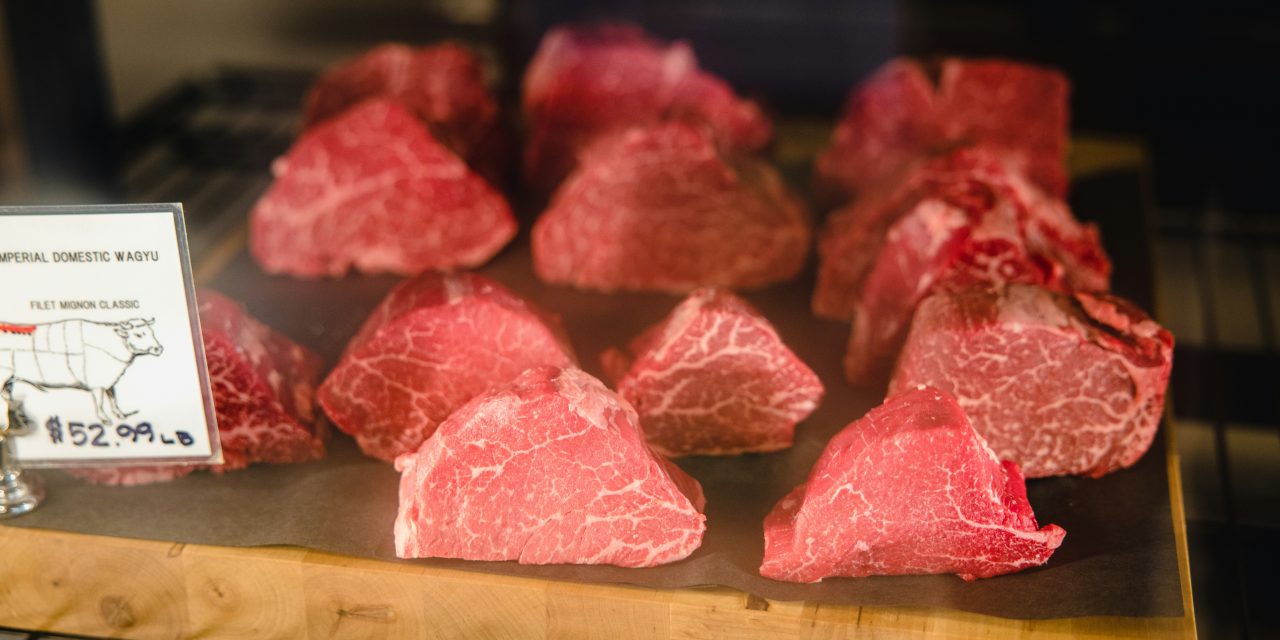
When selecting beef, the cut plays a significant role in its shelf life. Certain cuts are inherently more resilient than others due to their fat content and muscle structure. For instance, cuts like ribeye and sirloin tend to have higher fat content, which can help retain moisture and flavor during storage. Conversely, leaner cuts such as flank or round may spoil more quickly due to their lower fat content. Understanding these differences can guide consumers in making informed choices that align with their storage capabilities.
Additionally, purchasing whole cuts rather than pre-packaged or ground beef can extend freshness. Whole cuts have less surface area exposed to air, reducing the risk of oxidation and microbial growth. When possible, opt for larger cuts that can be portioned as needed. This approach not only enhances longevity but also allows for greater versatility in meal preparation.
Optimal Temperature Settings for Your Refrigerator

Maintaining the correct temperature in your refrigerator is vital for preserving beef quality. The USDA recommends that refrigerators be set at or below 40°F (4°C) to inhibit bacterial growth effectively. Regularly monitoring the temperature with an appliance thermometer can help ensure that your refrigerator operates within this safe range. Fluctuations in temperature can compromise the integrity of stored beef, leading to spoilage and potential health risks.
In addition to setting the appropriate temperature, it is essential to avoid overcrowding the refrigerator. Overcrowding can obstruct airflow, leading to uneven cooling and temperature fluctuations. To maintain optimal conditions for beef storage, ensure that there is adequate space around each item for air circulation. This practice not only preserves the quality of beef but also enhances the overall efficiency of your refrigeration system.
Wrapping Techniques to Prevent Air Exposure

Effective wrapping techniques are crucial for preventing air exposure, which can lead to oxidation and spoilage. When storing beef, it is essential to use materials that provide a barrier against air while allowing for some breathability. Plastic wrap or butcher paper are excellent options for wrapping fresh cuts of beef. These materials help retain moisture while minimizing exposure to oxygen.
For longer-term storage, consider using aluminum foil or freezer paper, which provides a more robust barrier against air and moisture loss. When wrapping beef, ensure that it is tightly sealed to eliminate any air pockets. Additionally, labeling each package with the date of storage can help track freshness and ensure that older cuts are used first.
When considering how long beef can safely be stored in the refrigerator, it’s essential to understand proper food storage practices. For those interested in maintaining the freshness of their groceries, you might find it helpful to read a related article on easy houseplants that can thrive in busy homes. These plants can improve air quality and create a more inviting kitchen environment, which is beneficial when preparing meals with fresh ingredients. You can check out the article here: easy houseplants.
Utilizing Vacuum Sealing for Extended Shelf Life
Vacuum sealing is an advanced method for extending the shelf life of beef significantly. This technique involves removing air from the packaging before sealing it tightly, which minimizes oxidation and inhibits bacterial growth. Vacuum-sealed beef can last up to three times longer in the refrigerator compared to traditionally wrapped cuts. This method is particularly beneficial for bulk purchases or when preparing meals in advance.
To vacuum seal beef effectively, invest in a high-quality vacuum sealer and appropriate bags designed for this purpose. Ensure that the meat is fresh and dry before sealing to achieve optimal results. Additionally, consider portioning the beef into meal-sized servings before vacuum sealing; this allows for convenient thawing and reduces waste.
Organizing Your Refrigerator to Avoid Cross-Contamination
Proper organization within your refrigerator is essential for preventing cross-contamination between raw beef and other food items. Raw meat should always be stored on the bottom shelf to prevent any drips from contaminating other foods. It is advisable to use separate containers or trays for raw beef to contain any potential leaks effectively.
Furthermore, maintaining a clear separation between raw and cooked foods is critical for food safety. Use color-coded containers or labels to distinguish between different types of food items easily. Regularly cleaning your refrigerator and discarding expired items will also help maintain a hygienic environment conducive to safe food storage.
Monitoring Beef Freshness with Date Labels
Implementing a labeling system for stored beef can significantly enhance food safety and minimize waste. By labeling each package with the date of purchase or storage, consumers can easily track freshness and prioritize usage based on expiration dates. This practice helps ensure that older cuts are consumed first, reducing the likelihood of spoilage.
In addition to date labels, consider including information about the cut type and any marinating or seasoning applied before storage. This added detail can streamline meal preparation and enhance culinary creativity when planning meals.
Using Freezing Methods to Preserve Beef Beyond Refrigerator Life
Freezing is an effective method for preserving beef beyond its refrigerator life, allowing consumers to store meat for extended periods without compromising quality. When freezing beef, it is essential to wrap it properly to prevent freezer burn, which can negatively affect texture and flavor. Use airtight freezer bags or vacuum-sealed packaging for optimal results.
Before freezing, consider portioning the beef into meal-sized servings to facilitate convenient thawing later on. Label each package with the date of freezing and type of cut for easy identification when planning meals. Properly frozen beef can maintain its quality for several months; however, it is advisable to consume it within six months for optimal flavor and texture.
Thawing Beef Safely to Maintain Quality
Thawing beef safely is crucial for maintaining its quality and preventing bacterial growth. The safest method for thawing meat is in the refrigerator, where it can gradually defrost at a controlled temperature below 40°F (4°C). This method may take several hours or overnight but ensures that the meat remains at a safe temperature throughout the process.
Alternatively, if time is limited, consumers can use cold water thawing by placing the sealed package of beef in cold water, changing the water every 30 minutes until thawed. Microwaving is another option; however, it may lead to uneven thawing and partial cooking if not monitored closely. Regardless of the method chosen, never thaw beef at room temperature, as this increases the risk of bacterial growth.
Signs of Spoilage to Watch For
Recognizing signs of spoilage is essential for ensuring food safety when consuming beef. Fresh beef should have a bright red color; however, some discoloration may occur over time due to oxidation without indicating spoilage. A slimy texture or off-putting odor are more definitive signs that beef has spoiled and should be discarded immediately.
Additionally, if there are any visible signs of mold or excessive browning on the surface of the meat, it is best to err on the side of caution and dispose of it. Regularly inspecting stored beef will help consumers make informed decisions about its safety and quality.
Best Practices for Cooking and Leftover Storage
Cooking beef thoroughly is vital for eliminating harmful bacteria that may be present in raw meat. The USDA recommends cooking ground beef to an internal temperature of 160°F (71°C) and whole cuts such as steaks or roasts to at least 145°F (63°C). Using a food thermometer ensures that meat reaches safe temperatures while preserving its juiciness and flavor.
Once cooked, leftovers should be stored promptly in airtight containers within two hours of cooking to minimize bacterial growth. Labeling leftovers with dates will help track freshness; they should ideally be consumed within three to four days when stored in the refrigerator. For longer storage, consider freezing leftovers in portioned containers for future meals.
In summary, proper storage techniques are essential for maintaining the quality and safety of beef products. By understanding optimal temperature settings, wrapping methods, vacuum sealing techniques, and safe thawing practices, consumers can significantly extend the shelf life of their meat while minimizing waste and health risks associated with spoilage. Regular monitoring of freshness through date labeling and vigilant observation of spoilage signs further enhances food safety practices in households across the globe.
FAQs
What is the typical refrigerator life of raw beef?
Raw beef can typically last in the refrigerator for 3 to 5 days when stored properly. It should be kept in its original packaging or wrapped tightly to prevent exposure to air and contamination.
How long can cooked beef be stored in the refrigerator?
Cooked beef can generally be stored in the refrigerator for 3 to 4 days. It should be placed in an airtight container to maintain freshness and prevent the absorption of odors from other foods.
What factors can affect the shelf life of beef in the refrigerator?
Several factors can affect the shelf life of beef, including the initial quality of the meat, the temperature of the refrigerator (which should be set at or below 40°F or 4°C), and how well the beef is wrapped or stored.
Can I freeze beef to extend its shelf life?
Yes, freezing beef is an effective way to extend its shelf life. Raw beef can be frozen for 4 to 12 months, while cooked beef can last for 2 to 6 months in the freezer, depending on the cut and preparation.
How can I tell if beef has gone bad in the refrigerator?
Signs that beef has gone bad include a sour or off smell, a slimy texture, and discoloration. If you notice any of these signs, it is best to discard the beef to avoid foodborne illness.