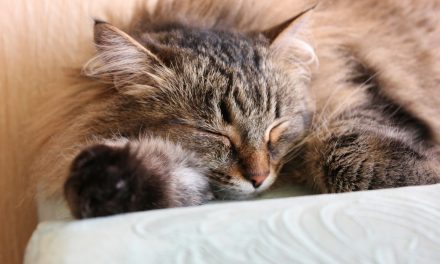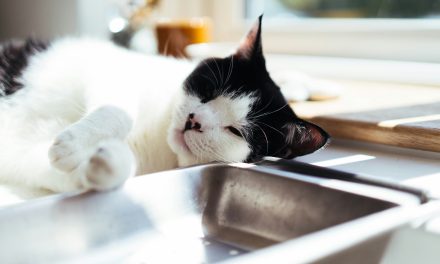
Cats are fascinating creatures, each possessing a distinct personality that can be as varied as the colors of their fur. Understanding these unique traits is crucial for fostering a harmonious relationship between feline companions and their human caretakers. Cats exhibit a range of temperaments, from the playful and curious to the shy and reserved. Recognizing these characteristics can help owners tailor their interactions and care strategies to meet their pet’s specific needs.
For instance, some cats may thrive on social interaction and enjoy being the center of attention, while others may prefer solitude and quiet environments. Observing behaviors such as playfulness, vocalization, and affection levels can provide insights into a cat’s personality. Additionally, factors such as breed, age, and past experiences can influence behavior. By taking the time to understand these nuances, owners can create a nurturing environment that respects their cat’s individuality.
Preparing a Safe and Comfortable Environment
Creating a safe and comfortable environment is paramount for any cat owner. Cats are naturally curious animals, often exploring their surroundings with enthusiasm. Therefore, it is essential to eliminate potential hazards within the home. This includes securing loose wires, removing toxic plants, and ensuring that small objects that could be ingested are out of reach. Additionally, providing a designated space for your cat to retreat to when feeling overwhelmed can significantly enhance their sense of security.
Comfort is equally important; cats require cozy resting spots where they can relax undisturbed. Soft bedding in quiet corners or elevated perches can cater to their instinctual need for safe resting places. Moreover, incorporating scratching posts and climbing structures can satisfy their natural behaviors while keeping them engaged. A well-prepared environment not only promotes physical safety but also contributes to the overall well-being of your feline friend.
Establishing a Consistent Feeding Schedule
Establishing a consistent feeding schedule is vital for maintaining your cat’s health and well-being. Cats thrive on routine, and regular feeding times can help regulate their metabolism and prevent obesity. It is advisable to consult with a veterinarian to determine the appropriate type and amount of food based on your cat’s age, weight, and activity level. Most adult cats benefit from two meals per day, while kittens may require more frequent feedings.
In addition to timing, the quality of food is crucial. High-quality commercial cat food that meets the nutritional standards set by veterinary associations should be prioritized. Owners should also be mindful of any dietary restrictions or allergies their cats may have. By adhering to a consistent feeding schedule and providing balanced nutrition, owners can promote optimal health and longevity in their feline companions.
Providing Fresh Water at All Times
Hydration is an essential aspect of feline health that is often overlooked. Cats are notorious for not drinking enough water, which can lead to urinary tract issues and kidney problems over time. To encourage adequate hydration, it is imperative to provide fresh water at all times. Using a clean bowl that is refilled daily can help ensure that your cat has access to clean drinking water.
Some cats may prefer running water over stagnant water in a bowl; therefore, investing in a pet water fountain can be beneficial. These devices not only keep water fresh but also attract cats with the sound of flowing water. Monitoring your cat’s water intake is also advisable; if you notice any significant changes in drinking habits, it may warrant a consultation with a veterinarian.
Keeping Litter Boxes Clean and Accessible
Maintaining clean litter boxes is crucial for both hygiene and your cat’s comfort. Cats are inherently clean animals and may refuse to use a dirty litter box, leading to inappropriate elimination behaviors. It is recommended to have one litter box per cat plus one extra to ensure accessibility. The boxes should be placed in quiet areas away from high traffic zones to provide privacy.
Regular cleaning is essential; scooping out waste daily and changing the litter weekly can help maintain a pleasant environment for your cat. Additionally, choosing the right type of litter is important; some cats prefer clumping litter while others may favor non-clumping varieties. By ensuring that litter boxes are clean and accessible, owners can prevent behavioral issues related to elimination.
Engaging in Regular Playtime and Exercise
Regular playtime and exercise are vital components of a cat’s physical and mental health. Engaging in interactive play not only helps maintain a healthy weight but also stimulates your cat’s natural hunting instincts. Toys such as feather wands, laser pointers, and interactive puzzle feeders can provide both physical activity and mental stimulation.
Setting aside dedicated playtime each day fosters bonding between owner and cat while allowing for the release of pent-up energy. Additionally, creating an enriching environment with climbing structures and scratching posts encourages independent play when owners are unavailable. By prioritizing regular exercise and play, owners can help prevent obesity and behavioral issues stemming from boredom.
Monitoring Your Cat’s Health and Behavior
Regular monitoring of your cat’s health and behavior is essential for early detection of potential issues. Observing changes in appetite, weight, grooming habits, or litter box usage can provide valuable insights into your cat’s well-being. Routine veterinary check-ups are also crucial; annual examinations can help identify underlying health problems before they become serious.
Being aware of subtle behavioral changes can also indicate stress or discomfort. For example, increased aggression or withdrawal may signal underlying health issues or environmental stressors. Keeping a journal of your cat’s behavior can help track patterns over time, making it easier to communicate any concerns with your veterinarian.
Managing Stress and Anxiety in Cats
Cats can experience stress and anxiety due to various factors such as changes in their environment, introduction of new pets, or even loud noises. Recognizing signs of stress—such as excessive grooming, hiding, or aggression—is crucial for timely intervention. Creating a calm environment with safe spaces for retreat can help alleviate anxiety.
In some cases, behavioral modification techniques may be necessary to address anxiety-related issues. Providing enrichment through toys or interactive play can distract from stressors while promoting mental stimulation. If anxiety persists despite these efforts, consulting with a veterinarian about potential therapeutic options or medications may be warranted.
Communicating Effectively with Cat Owners
Effective communication between cat owners is essential for sharing knowledge and experiences that benefit feline care. Engaging in discussions about best practices for feeding, health monitoring, and behavioral management can enhance the overall well-being of cats within a community. Online forums or local pet groups provide platforms for exchanging valuable insights.
Additionally, sharing experiences regarding specific breeds or individual cats can foster understanding of unique needs or challenges faced by different felines. Open dialogue encourages collaboration among owners to address common concerns while promoting responsible pet ownership practices.
Handling Multiple Cats with Care and Patience
Managing multiple cats requires careful consideration of each individual’s needs while fostering harmony within the household. Providing separate resources—such as food bowls, litter boxes, and resting areas—can help minimize competition among cats. Observing interactions between cats is crucial; signs of aggression or stress should be addressed promptly.
Establishing routines that accommodate all cats ensures that each receives adequate attention and care. Regular playtime sessions that involve all cats can promote bonding while allowing them to expend energy together. Patience is key; gradual introductions between new cats and existing residents can help ease tensions during transitions.
Leaving Detailed Notes and Updates for Owners
When leaving your cat in the care of others—whether during travel or emergencies—providing detailed notes and updates is essential for ensuring continuity of care. Include information about feeding schedules, dietary restrictions, medication needs, and any behavioral quirks that caregivers should be aware of.
Additionally, sharing emergency contact information for veterinarians or pet hospitals ensures prompt action if health issues arise during your absence. Clear communication fosters confidence in caregivers while ensuring that your feline companion receives the best possible care in your absence.
In summary, understanding your cat’s unique personality is fundamental for establishing a strong bond with your feline companion. Creating a safe environment, maintaining consistent feeding schedules, providing fresh water, keeping litter boxes clean, engaging in regular playtime, monitoring health behaviors, managing stress effectively, communicating with other owners, handling multiple cats with care, and leaving detailed notes for caregivers are all critical components of responsible cat ownership. By prioritizing these aspects of care, owners can enhance their cats’ quality of life while fostering lasting companionship.
FAQs
What is rover cat sitting?
Rover cat sitting is a service provided by Rover, a platform that connects pet owners with pet sitters. Cat sitting involves a sitter caring for a cat in the owner’s home or the sitter’s home, ensuring the cat is fed, exercised, and receives companionship while the owner is away.
How do I find a cat sitter on Rover?
To find a cat sitter on Rover, you can visit the Rover website or app, enter your location, and specify your cat care needs. You can browse through profiles of available sitters, read reviews from other pet owners, and check their rates and availability before making a booking.
What services do cat sitters typically offer?
Cat sitters on Rover typically offer a range of services, including feeding, litter box cleaning, playtime, and administering medications if needed. Some sitters may also provide additional services like overnight stays or daily check-ins, depending on the owner’s requirements.
How much does cat sitting cost on Rover?
The cost of cat sitting on Rover varies based on factors such as the sitter’s experience, location, and the specific services requested. On average, prices can range from $15 to $50 per visit, but it’s best to check individual sitter profiles for their specific rates.
Is Rover cat sitting insured?
Yes, Rover provides liability insurance for pet sitters and pet owners during the duration of the booking. This insurance helps protect both parties in case of accidents or injuries that may occur while the sitter is caring for the cat.