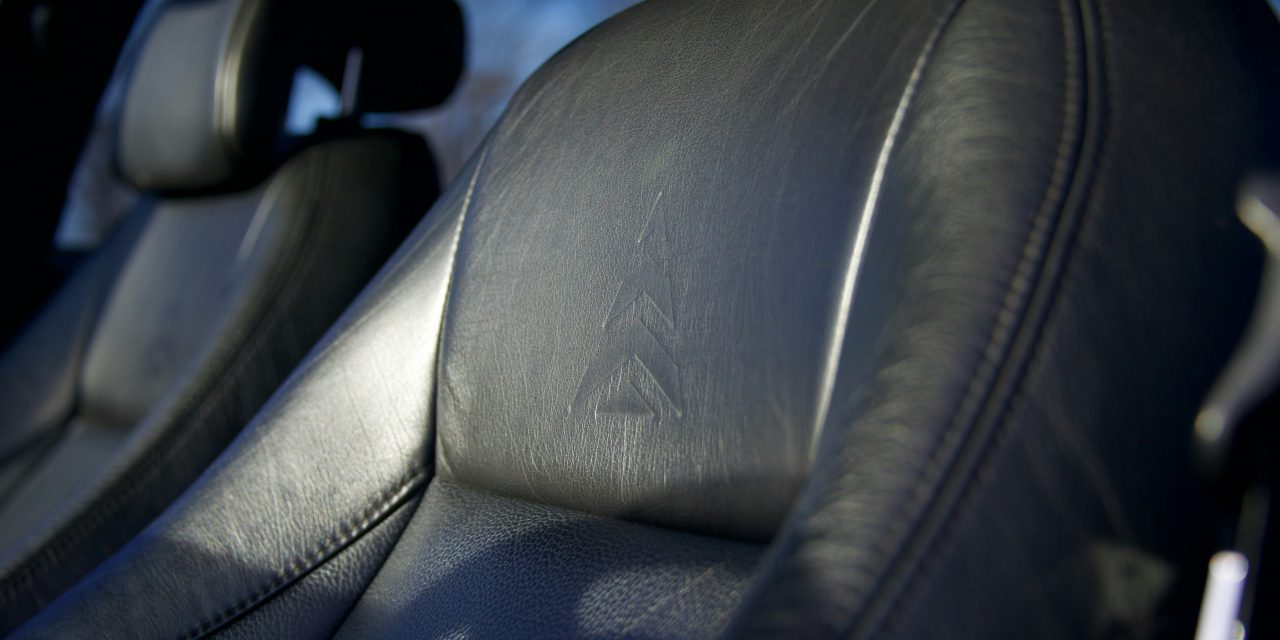
Fabric car seats come in a variety of materials, each with unique characteristics and maintenance requirements. The most common types include polyester, nylon, and cotton blends. Polyester is favored for its durability and resistance to fading, making it an ideal choice for families with children or pets. Nylon, on the other hand, is known for its strength and elasticity, providing a comfortable seating experience while being easy to clean. Cotton blends offer a soft touch and breathability but may require more frequent cleaning due to their absorbent nature.
Understanding the specific fabric type of your car seats is crucial for effective cleaning and maintenance. Each material reacts differently to various cleaning agents and methods. For instance, while polyester can withstand harsher chemicals, cotton may be more susceptible to damage from strong solvents. Familiarizing yourself with the fabric’s properties will help you choose the right cleaning approach, ensuring that your car seats remain in pristine condition.
Identifying Common Food and Drink Stains
Food and drink stains are among the most prevalent issues faced by car owners, particularly those with children or busy lifestyles. Common culprits include coffee, soda, juice, and various snacks. Coffee stains can be particularly stubborn due to their dark pigmentation and acidity, which can penetrate fabric fibers deeply. Similarly, sugary sodas can leave sticky residues that attract dirt and grime if not addressed promptly.
Juice stains, especially from fruits like berries or citrus, can also pose challenges due to their vibrant colors and natural sugars. Snack-related stains often come from crumbs or greasy residues left behind by chips or fast food wrappers. Identifying these stains early is essential for effective treatment; the longer a stain sits, the more difficult it becomes to remove. Understanding the nature of these stains will guide you in selecting appropriate cleaning methods and solutions.
Gathering Essential Cleaning Supplies

Before embarking on the cleaning process, it is vital to gather all necessary supplies to ensure efficiency and effectiveness. Essential items include a vacuum cleaner with upholstery attachments, microfiber cloths, soft-bristle brushes, and a bucket for mixing cleaning solutions. A spray bottle is also useful for applying homemade or commercial cleaners evenly across the stained area.
In addition to these tools, having a selection of cleaning agents on hand is crucial. Common household items such as white vinegar, baking soda, and dish soap can serve as effective stain removers. For tougher stains, consider investing in specialized fabric cleaners designed for automotive upholstery. Always check the labels for compatibility with your specific fabric type to avoid damage during the cleaning process.
Pre-Treating the Stain for Better Results

Pre-treatment is a critical step in stain removal that can significantly enhance the effectiveness of your cleaning efforts. Begin by gently blotting the stain with a clean cloth to absorb any excess liquid without rubbing it deeper into the fabric. Once you’ve blotted the area, apply a small amount of your chosen pre-treatment solution directly onto the stain.
Allow the pre-treatment to sit for at least 5-10 minutes to penetrate the fabric fibers and break down the stain’s composition. This waiting period is essential as it gives the cleaning agent time to work effectively. After pre-treating, use a soft-bristle brush or cloth to gently agitate the area, helping to lift the stain before proceeding with further cleaning methods.
Using Homemade Cleaning Solutions Safely
Homemade cleaning solutions can be both effective and economical when tackling fabric car seat stains. One popular recipe involves mixing equal parts white vinegar and water in a spray bottle. This solution acts as a natural disinfectant while effectively breaking down stains without harsh chemicals. Another option is combining baking soda with water to create a paste that can be applied directly to stubborn stains.
When using homemade solutions, it is essential to test them on an inconspicuous area of the fabric first. This precaution helps ensure that the solution does not cause discoloration or damage to the upholstery. Additionally, always ventilate your vehicle during the cleaning process to avoid inhaling any fumes from vinegar or other cleaning agents.
Applying Commercial Stain Removers Effectively
For those who prefer commercial products, selecting the right stain remover is crucial for achieving optimal results. Look for products specifically formulated for automotive fabrics, as these are designed to tackle tough stains without damaging upholstery. Read product labels carefully to ensure compatibility with your car seat material.
When applying commercial stain removers, follow the manufacturer’s instructions closely. Typically, this involves spraying the product directly onto the stain and allowing it to sit for a specified duration before blotting or scrubbing. Use a clean microfiber cloth or soft brush to work the solution into the fabric gently. Rinse thoroughly with water afterward to remove any residue left behind by the cleaner.
Techniques for Blotting and Scrubbing Stains
Effective stain removal relies heavily on proper blotting and scrubbing techniques. Blotting involves using a clean cloth or paper towel to absorb excess liquid from the stain without pushing it deeper into the fibers. Always blot from the outside of the stain toward the center to prevent spreading.
When scrubbing is necessary, use a soft-bristle brush or cloth to gently agitate the stained area. Avoid using excessive force, as this can damage the fabric fibers or create fraying. Instead, apply light pressure in circular motions to lift the stain gradually. If needed, alternate between blotting and scrubbing until you achieve satisfactory results.
Rinsing and Drying Fabric Car Seats Properly
After successfully removing stains from your fabric car seats, rinsing is an essential step that should not be overlooked. Use a clean cloth dampened with water to wipe away any remaining cleaning solution residue from the upholstery. This step helps prevent any potential discoloration or damage caused by leftover chemicals.
Once rinsed, allow your car seats to dry thoroughly before using them again. Open windows or doors to promote airflow within the vehicle, which aids in drying time. If possible, park your car in a shaded area or use fans to expedite drying without exposing the fabric to direct sunlight, which can cause fading over time.
Dealing with Persistent or Set-In Stains
Persistent or set-in stains can be particularly challenging but not impossible to remove. For these stubborn marks, consider repeating the pre-treatment process multiple times before attempting further cleaning methods. Sometimes, allowing a pre-treatment solution to sit longer than usual can yield better results.
If initial attempts fail, consider using a steam cleaner designed for automotive upholstery. The heat from steam can help loosen deeply embedded stains while sanitizing the fabric simultaneously. Always follow manufacturer guidelines when using steam cleaners to avoid damaging your car seats.
Preventative Measures to Avoid Future Stains
Preventing future stains is often easier than removing existing ones. Consider using seat covers made from stain-resistant materials that can easily be removed and washed when necessary. Regularly vacuuming your car seats will also help eliminate crumbs and debris that can lead to staining over time.
Additionally, establishing a no-food-and-drink policy within your vehicle can significantly reduce the likelihood of spills and stains occurring in the first place. If you must consume food or beverages while driving, opt for spill-proof containers that minimize messes.
When to Seek Professional Cleaning Services
While many stains can be tackled with DIY methods, there are instances when professional cleaning services may be warranted. If you encounter particularly stubborn stains that resist all attempts at removal or if your car seats have become excessively soiled over time, enlisting professional help may be beneficial.
Professional cleaners possess specialized equipment and expertise that can effectively restore your car seats without risking damage. Additionally, they often use industrial-grade cleaning solutions that are more potent than typical household products, ensuring thorough cleaning results.
In summary, maintaining fabric car seats requires understanding different materials and their specific care needs while effectively addressing common stains through pre-treatment and appropriate cleaning methods. Utilizing both homemade solutions and commercial products can yield excellent results when combined with proper techniques for blotting and scrubbing stains. Regular preventative measures will help keep your car seats looking pristine while knowing when to seek professional assistance ensures long-term care for your vehicle’s interior upholstery.