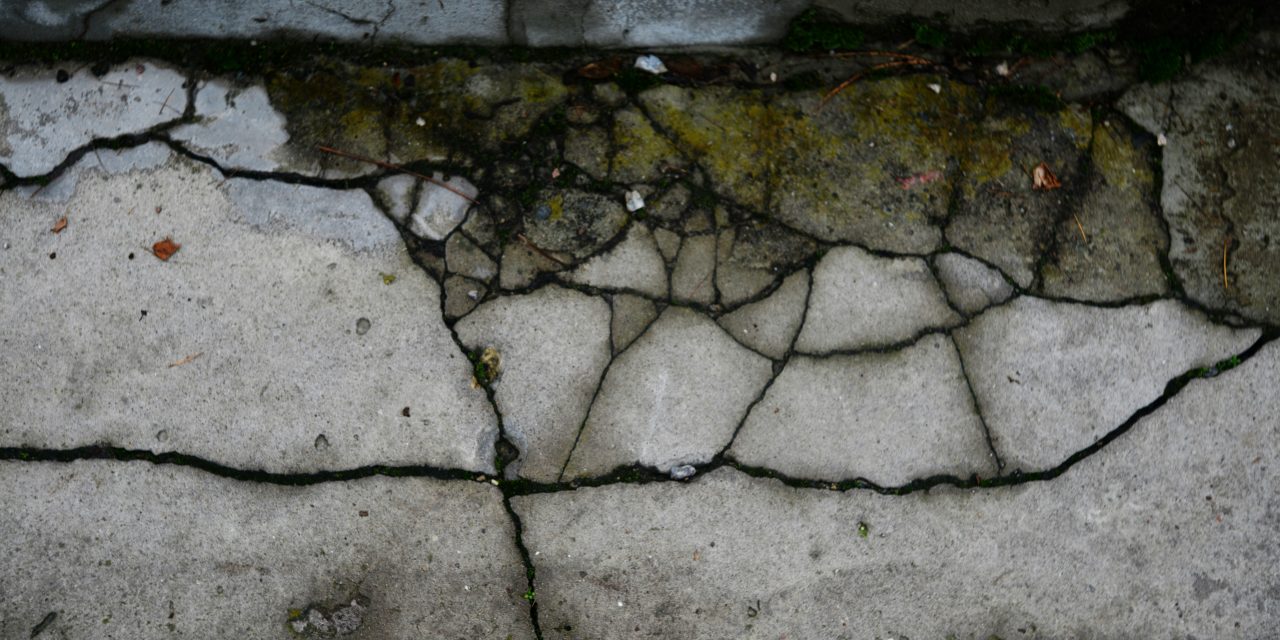
Concrete slab sinking is a prevalent issue that affects many residential and commercial properties. This phenomenon occurs when the ground beneath a concrete slab loses its structural integrity, leading to uneven surfaces and potential hazards. The sinking can manifest in various forms, including cracks in walls, uneven floors, and misaligned door frames. Understanding the mechanics behind this issue is crucial for property owners to address it effectively and prevent further damage.
Concrete slabs are typically designed to provide a stable foundation for buildings, driveways, and patios. However, various environmental and structural factors can compromise their stability. When a slab sinks, it can lead to significant structural problems, including compromised safety and increased repair costs. Therefore, recognizing the underlying causes and implementing timely solutions is essential for maintaining the integrity of concrete structures.
Common Causes of Concrete Slab Sinking
Several factors contribute to the sinking of concrete slabs, each with its unique implications. One of the most common causes is soil erosion, which can occur due to heavy rainfall or poor drainage systems. When water washes away soil beneath the slab, it creates voids that lead to sinking. Additionally, expansive clay soils can swell when wet and shrink when dry, causing fluctuations that destabilize concrete foundations.
Another significant factor is the presence of organic materials in the soil. As these materials decompose, they can create voids that compromise the support for the slab. Furthermore, construction practices that do not adhere to proper compaction standards can lead to inadequate support for concrete structures. Understanding these causes is vital for property owners to implement effective solutions.
Soil Settlement and Its Impact on Concrete Slabs

Soil settlement refers to the gradual sinking or settling of soil layers due to various factors such as weight, moisture changes, and compaction. This phenomenon can significantly impact concrete slabs, leading to uneven surfaces and structural instability. When soil settles unevenly beneath a slab, it creates stress points that can result in cracking and further sinking.
The impact of soil settlement on concrete slabs can be severe. It can lead to misalignment of structural elements, creating safety hazards and aesthetic issues. Moreover, if left unaddressed, soil settlement can escalate into more extensive damage, necessitating costly repairs or even complete replacement of the slab. Therefore, recognizing the signs of soil settlement early on is crucial for mitigating its effects.
The Role of Poor Compaction in Slab Sinking

Poor compaction during the construction phase is a critical factor contributing to concrete slab sinking. Compaction refers to the process of densifying soil to provide a stable foundation for structures. If the soil is not adequately compacted before pouring concrete, it may not provide sufficient support over time. This lack of support can lead to settling and sinking as the weight of the slab compresses the underlying soil.
Inadequate compaction can result from various factors, including improper equipment use or insufficient moisture content in the soil during compaction. Additionally, if construction occurs in areas with loose or sandy soils without proper stabilization techniques, the risk of slab sinking increases significantly. Ensuring proper compaction during construction is essential for preventing future issues related to concrete stability.
Effects of Water Damage and Drainage Issues
Water damage plays a pivotal role in the sinking of concrete slabs. Poor drainage systems can lead to water pooling around or beneath a slab, causing soil erosion and weakening its support structure. Excess moisture can also lead to soil expansion and contraction, further destabilizing the foundation. Over time, these issues can result in significant structural damage.
Moreover, water intrusion can exacerbate existing cracks in concrete slabs, allowing moisture to penetrate deeper into the foundation. This infiltration can lead to mold growth and further deterioration of both the slab and surrounding structures. Implementing effective drainage solutions is crucial for mitigating water-related issues that contribute to slab sinking.
Tree Roots and Their Influence on Concrete Stability
Tree roots can significantly influence the stability of concrete slabs. As trees grow, their roots expand and search for moisture and nutrients, often penetrating areas beneath concrete structures. This growth can exert pressure on slabs, leading to cracking and eventual sinking as roots displace soil or create voids.
Additionally, certain tree species have aggressive root systems that can exacerbate these issues. For instance, oak and maple trees are known for their extensive root networks that can disrupt soil stability around foundations. Property owners should be mindful of tree placement relative to concrete structures and consider root barriers or regular maintenance to mitigate potential damage.
Identifying Signs of a Sinking Concrete Slab
Recognizing the signs of a sinking concrete slab is crucial for timely intervention. Common indicators include visible cracks in the slab itself or in adjacent walls, uneven flooring that creates tripping hazards, and doors or windows that become misaligned or difficult to open. Additionally, gaps between walls and floors may indicate shifting foundations.
Other subtle signs may include water pooling in certain areas around the slab or noticeable changes in drainage patterns during rainfall. Property owners should conduct regular inspections of their concrete surfaces and surrounding areas to identify these signs early on. Prompt action can prevent further deterioration and costly repairs.
Assessing the Extent of Damage to Your Slab
Once signs of sinking are identified, assessing the extent of damage becomes imperative. This assessment typically involves visual inspections as well as more detailed evaluations using tools such as levels or laser measuring devices to determine elevation changes across the slab’s surface. Professional assessments may also include soil testing to evaluate compaction levels and moisture content.
Understanding the severity of damage helps property owners make informed decisions regarding repair options or potential replacement needs. In some cases, minor settling may be manageable with simple repairs; however, extensive damage may require more comprehensive solutions such as underpinning or complete slab replacement.
Repair Options: Mudjacking and Slab Jacking Explained
When addressing sinking concrete slabs, two popular repair methods are mudjacking and slab jacking. Mudjacking involves injecting a mixture of cement-based grout beneath the slab to raise it back to its original position. This method is effective for moderate sinking and provides a quick solution with minimal disruption.
Slab jacking operates on similar principles but often utilizes polyurethane foam instead of grout for injection. This method is lightweight and expands upon injection, filling voids beneath the slab while providing support without adding excessive weight. Both techniques are cost-effective alternatives to complete replacement and can restore stability effectively when performed by qualified professionals.
When to Consider Concrete Slab Replacement
In some cases, repair methods may not suffice due to extensive damage or underlying issues that cannot be resolved through lifting techniques alone. If a concrete slab exhibits severe cracking, significant displacement, or ongoing drainage problems that compromise its integrity, replacement may be necessary.
Replacement involves removing the existing slab entirely and pouring a new one with proper compaction techniques and drainage solutions in place. While this option is more costly than repair methods, it ensures long-term stability and mitigates future risks associated with sinking slabs.
Preventative Measures to Avoid Future Slab Sinking
Preventing future slab sinking requires proactive measures aimed at addressing underlying causes before they escalate into significant issues. Regular maintenance of drainage systems is essential; ensuring gutters are clear and downspouts direct water away from foundations helps mitigate erosion risks.
Additionally, monitoring tree growth near concrete structures is crucial; regular pruning or root barrier installation can prevent roots from compromising stability. Implementing proper landscaping techniques that promote even moisture distribution around foundations also aids in preventing soil settlement.
In conclusion, understanding concrete slab sinking involves recognizing its causes, effects, and potential solutions. By identifying signs early on and implementing preventative measures, property owners can maintain their structures’ integrity while avoiding costly repairs or replacements in the future.
### FAQ Section
1. **What are common signs that my concrete slab is sinking?**
Look for visible cracks in walls or floors, uneven surfaces, misaligned doors/windows, or gaps between walls and floors.
2. **How do I assess the extent of damage?**
Conduct visual inspections using levels or laser measuring devices; consider hiring professionals for comprehensive evaluations.
3. **What are mudjacking and slab jacking?**
Mudjacking involves injecting grout beneath slabs; slab jacking uses polyurethane foam for similar purposes but offers lighter support.
4. **When should I consider replacing my concrete slab?**
If there are severe cracks or ongoing drainage issues that cannot be resolved through repairs, replacement may be necessary.
5. **How can I prevent future slab sinking?**
Maintain drainage systems, monitor tree growth near structures, and implement landscaping techniques that promote even moisture distribution.
6. **Is it possible to repair a severely damaged slab?**
In some cases, extensive damage may require replacement rather than repair; consult professionals for accurate assessments.
7. **What role does soil type play in slab stability?**
Soil types such as expansive clay can cause fluctuations leading to instability; understanding your soil composition is crucial for prevention.
8. **Can I perform repairs myself?**
While minor repairs may be manageable for some homeowners, professional assistance is recommended for effective long-term solutions.
9. **How often should I inspect my concrete surfaces?**
Regular inspections at least once a year or after significant weather events are advisable for early detection of potential issues.
10. **What should I do if I notice signs of sinking?**
Address concerns promptly by assessing damage levels; consult professionals for repair options tailored to your specific situation.
In summary, understanding concrete slab sinking encompasses recognizing its causes and effects while implementing effective solutions through timely repairs or replacements when necessary. Preventative measures play a vital role in maintaining structural integrity over time.
FAQs
What are the common causes of a sinking concrete slab?
A sinking concrete slab can be caused by several factors, including soil erosion, poor drainage, inadequate soil compaction, tree root growth, and changes in moisture levels. Over time, these issues can lead to voids beneath the slab, causing it to settle unevenly.
How can I tell if my concrete slab is sinking?
Signs that your concrete slab may be sinking include visible cracks in the surface, uneven floors, doors and windows that stick or do not close properly, and gaps between the slab and walls or foundations. If you notice any of these symptoms, it may be time to investigate further.
What repair options are available for a sinking concrete slab?
Repair options for a sinking concrete slab include mudjacking (also known as slab jacking), polyurethane foam injection, and complete replacement of the slab. Mudjacking involves pumping a mixture of cement and soil beneath the slab to raise it, while polyurethane foam injection uses a lightweight foam to fill voids and lift the slab.
Can I prevent my concrete slab from sinking?
Preventative measures include ensuring proper drainage around the slab, maintaining consistent moisture levels in the soil, and avoiding heavy loads on the slab. Regular inspections and maintenance can also help identify potential issues before they lead to significant sinking.
When should I consult a professional about my sinking concrete slab?
If you notice significant cracks, uneven surfaces, or other alarming signs of sinking, it is advisable to consult a professional. A structural engineer or foundation repair specialist can assess the situation and recommend appropriate repair methods to ensure the safety and stability of your property.