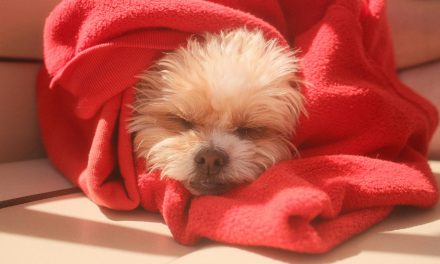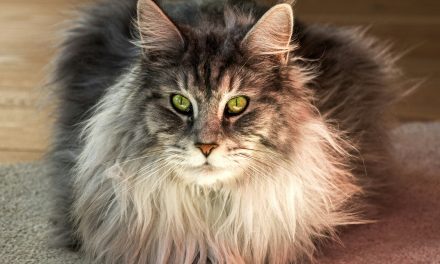
As the winter months approach, pet owners must prioritize grooming to ensure their furry companions remain warm and comfortable. The cold weather can lead to dry skin and matting, which can be uncomfortable for pets. Regular grooming during this season is essential for maintaining a healthy coat and skin. A well-groomed pet not only looks good but also feels good, as grooming helps to distribute natural oils throughout the fur, providing insulation against the cold.
Investing in high-quality grooming tools is crucial during winter. A slicker brush is ideal for removing tangles and loose fur, while a de-shedding tool can help manage undercoat shedding. Additionally, consider using moisturizing shampoos and conditioners specifically formulated for winter care. These products can help combat dryness and keep your pet’s skin hydrated. Regular baths, ideally every four to six weeks, will help maintain cleanliness while preventing the buildup of dirt and allergens that can exacerbate skin issues.
Spring Shedding Solutions: Managing Seasonal Fur Loss
With the arrival of spring, many pets experience a significant increase in shedding due to the warmer temperatures and changing daylight hours. This seasonal fur loss can be overwhelming for pet owners, but understanding the underlying causes can help manage it effectively. Shedding is a natural process that allows pets to adapt to changing climates, but it can lead to excessive fur around the home if not addressed properly.
To manage shedding, regular brushing is essential. Depending on the breed, some pets may require daily grooming during this period to remove loose fur and prevent matting. Tools such as rubber grooming gloves or undercoat rakes can be particularly effective in capturing loose hair while providing a gentle massage for your pet. Additionally, incorporating a high-quality diet rich in omega fatty acids can promote healthy skin and coat, reducing excessive shedding. Regular baths with specialized shedding shampoos can also help remove dead hair and dander.
Summer Care Tips: Protecting Your Pet from Heat and Parasites

Summer brings its own set of challenges for pet owners, particularly concerning heat exposure and parasite infestations. Pets are susceptible to heatstroke, which can occur when temperatures rise above 80°F (27°C). To prevent overheating, ensure your pet has access to shade and fresh water at all times. Limit outdoor activities during peak heat hours and consider investing in cooling mats or vests designed to help regulate body temperature.
In addition to heat management, summer is prime time for parasites such as fleas and ticks. Regularly applying veterinarian-recommended flea and tick preventatives is crucial for protecting your pet from these pests. Monthly topical treatments or oral medications can effectively deter infestations. Furthermore, routine checks after outdoor excursions are essential for identifying any ticks that may have latched onto your pet’s skin. If you find a tick, use a tick removal tool to safely extract it without leaving any parts behind.
Autumn Coat Preparation: Strengthening Fur for Colder Months

As autumn approaches, preparing your pet’s coat for the impending winter is vital. This transitional period often involves a change in fur density as pets begin to grow their winter coats. To support this process, regular grooming is essential to remove loose hair and stimulate healthy growth. Brushing not only helps manage shedding but also promotes blood circulation in the skin, enhancing overall coat health.
In addition to grooming, consider adjusting your pet’s diet to include supplements that support coat health. Omega-3 fatty acids, found in fish oil or flaxseed oil, can improve skin hydration and promote a shiny coat. Furthermore, ensuring your pet receives adequate hydration is crucial during this time; dry air from heating systems can lead to skin dryness. Providing fresh water and considering humidifiers in your home can help maintain optimal skin moisture levels.
Regular Brushing: Maintaining a Healthy and Tangle-Free Coat
Regular brushing is one of the most effective ways to maintain a healthy coat for your pet throughout the year. Different breeds have varying grooming needs; long-haired breeds may require daily brushing to prevent tangles and mats, while short-haired breeds may only need weekly grooming sessions. Establishing a consistent brushing routine not only keeps your pet looking their best but also strengthens the bond between you and your furry friend.
Brushing serves multiple purposes beyond aesthetics; it helps remove dirt, debris, and dead hair while distributing natural oils that keep the coat shiny and healthy. Additionally, regular brushing allows pet owners to check for any abnormalities such as lumps, bumps, or skin irritations that may require veterinary attention. Investing in quality grooming tools tailored to your pet’s coat type will enhance the effectiveness of this routine.
Nail Trimming: Preventing Discomfort and Injury Year-Round
Nail trimming is an often-overlooked aspect of pet grooming that plays a crucial role in maintaining overall health and comfort. Overgrown nails can lead to discomfort while walking, potential injuries, or even joint problems due to altered gait mechanics. Regular nail maintenance is essential for pets of all ages; ideally, nails should be trimmed every 3-4 weeks.
To ensure a stress-free nail trimming experience, familiarize your pet with the process gradually. Use high-quality clippers designed for pets and consider using a nail grinder for a smoother finish. If you’re unsure about trimming nails yourself, consult with a professional groomer or veterinarian who can demonstrate proper techniques. Additionally, providing positive reinforcement during nail trimming sessions can help create a more positive association with this necessary grooming task.
Ear Cleaning: Avoiding Infections Across All Seasons
Ear cleaning is an essential component of pet grooming that should not be neglected throughout the year. Pets with floppy ears or those that spend significant time outdoors are particularly susceptible to ear infections caused by moisture buildup and debris accumulation. Regular ear cleaning helps prevent infections by removing wax buildup and foreign particles that could lead to irritation.
To clean your pet’s ears effectively, use veterinarian-recommended ear cleaning solutions specifically formulated for pets. Avoid using cotton swabs inside the ear canal, as this can push debris further in or cause injury. Instead, gently wipe the outer ear with a soft cloth or cotton ball soaked in the cleaning solution. Regular ear checks should be part of your grooming routine; if you notice any signs of redness, swelling, or discharge, consult your veterinarian promptly.
Dental Care: Ensuring Fresh Breath and Healthy Teeth
Dental health is often overlooked in pet care but is vital for overall well-being. Poor dental hygiene can lead to periodontal disease, which affects not only oral health but can also impact vital organs such as the heart and kidneys due to bacteria entering the bloodstream. Establishing a dental care routine early on can prevent serious health issues down the line.
Daily tooth brushing is the gold standard for maintaining oral hygiene in pets. Use toothpaste specifically formulated for pets; human toothpaste contains ingredients that are toxic to animals. Additionally, dental chews and toys designed to promote oral health can be beneficial in reducing plaque buildup between brushings. Regular veterinary dental cleanings are also recommended; these professional cleanings allow for thorough examination and treatment of any underlying dental issues.
Bathing Guidelines: How Often and What Products to Use
Bathing frequency varies depending on several factors including breed type, activity level, and skin condition. Generally speaking, most pets benefit from bathing every 4-6 weeks; however, some may require more frequent baths due to skin conditions or outdoor activities that lead to dirt accumulation. It’s essential to use shampoos specifically formulated for pets as human products may disrupt their skin pH balance.
When bathing your pet, ensure you thoroughly wet their coat before applying shampoo; this helps distribute the product evenly while avoiding concentrated areas that could irritate the skin. Rinse thoroughly to remove all shampoo residue; leftover product can lead to skin irritation or allergic reactions. After bathing, consider using a conditioner designed for pets to enhance coat softness and manageability.
Skin and Coat Health: Identifying Seasonal Allergies and Issues
Seasonal allergies can significantly impact your pet’s skin and coat health throughout the year. Common allergens include pollen, mold spores, dust mites, and certain foods that may trigger allergic reactions leading to itching, redness, or inflammation of the skin. Identifying these allergies early on is crucial for effective management.
Regularly inspecting your pet’s skin for signs of irritation or unusual behavior such as excessive scratching or licking is essential for early detection of allergies or other dermatological issues. If you suspect allergies are affecting your pet’s quality of life, consult with your veterinarian who may recommend allergy testing or dietary changes as part of a comprehensive treatment plan.
Seasonal Checkups: When to Visit the Vet for Optimal Grooming Support
Routine veterinary checkups are vital for maintaining your pet’s overall health and well-being throughout the year. These visits allow veterinarians to assess your pet’s physical condition while providing recommendations tailored to seasonal grooming needs based on their specific breed characteristics and lifestyle factors.
During these checkups, discuss any concerns regarding grooming practices or changes in behavior that may indicate underlying health issues such as allergies or dental problems. Your veterinarian can provide guidance on appropriate grooming schedules tailored to your pet’s needs while recommending products that align with their health requirements.
In summary, maintaining your pet’s grooming needs throughout the seasons requires diligence and attention to detail. From winter warmth to summer protection against heat and parasites, each season presents unique challenges that necessitate proactive care strategies including regular brushing, nail trimming, ear cleaning, dental hygiene practices, bathing guidelines tailored to individual needs as well as identifying potential allergies or health concerns through routine veterinary checkups. By prioritizing these aspects of grooming care year-round, you ensure your furry companion remains healthy, comfortable, and happy regardless of the season.
FAQs
What are the essential grooming tasks for pets in the spring?
In the spring, essential grooming tasks include bathing your pet to remove winter grime, brushing to reduce shedding, and checking for parasites like fleas and ticks. It’s also a good time to trim nails and clean ears to prevent infections as pets become more active outdoors.
How often should I groom my pet during the summer?
During the summer, pets should be groomed at least every 4 to 6 weeks. This includes regular brushing to manage shedding and prevent matting, as well as bathing to keep them cool and clean. Additionally, check for signs of overheating and ensure their coat is appropriate for the warm weather.
What grooming tasks are important in the fall?
In the fall, it’s important to prepare your pet for the colder months. This includes a thorough grooming session to remove loose fur and debris, a bath to keep their coat healthy, and a check for any skin issues. It’s also a good time to trim nails and clean ears, as pets may spend more time indoors.
Are there specific grooming needs for pets in the winter?
In winter, grooming needs include regular brushing to prevent matting from wet and snowy conditions, as well as checking for ice buildup between paw pads. Bathing should be minimized to avoid drying out their skin, and it’s essential to monitor their coat condition to ensure they stay warm.
How can I create a year-round grooming schedule for my pet?
To create a year-round grooming schedule, start by identifying the seasonal tasks specific to your pet’s breed and coat type. Plan for regular brushing, bathing, nail trimming, and ear cleaning based on the season. Keep a calendar to track these tasks and adjust as needed based on your pet’s activity level and health.