Laminate flooring has gained immense popularity in residential and commercial spaces due to its aesthetic appeal, durability, and cost-effectiveness. Composed of multiple layers, laminate flooring typically consists of a wear layer, design layer, core layer, and backing layer. The wear layer provides resistance against scratches and stains, while the design layer mimics the appearance of natural materials such as wood or stone. Despite its advantages, laminate flooring is not impervious to damage. Its vulnerabilities primarily stem from environmental factors, improper installation, and maintenance neglect.
One of the most significant vulnerabilities of laminate flooring is its susceptibility to moisture. Unlike hardwood, which can expand and contract with humidity changes, laminate flooring is engineered to resist moisture to a certain extent. However, excessive exposure to water can lead to swelling and buckling. Additionally, the interlocking mechanism that holds the planks together can weaken over time if not installed correctly. Understanding these vulnerabilities is crucial for homeowners and property managers to maintain the integrity of their laminate flooring.
What Does Buckling in Laminate Floors Look Like?
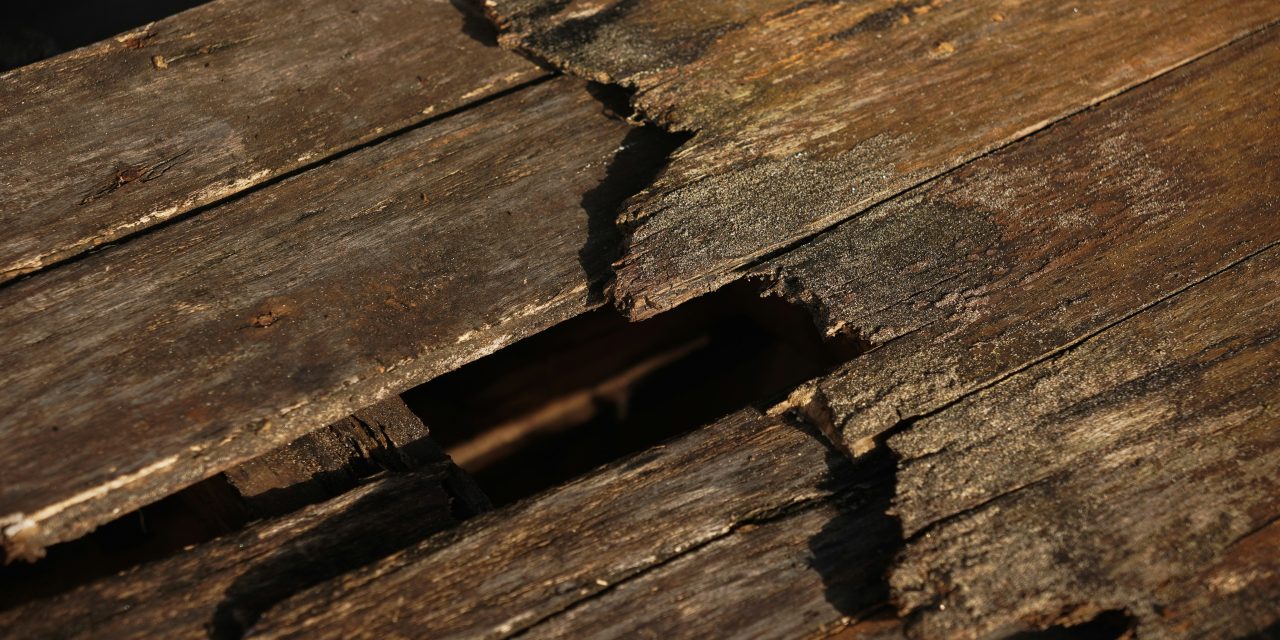
Buckling in laminate floors manifests as noticeable warping or lifting of the planks from the subfloor. This phenomenon can occur in various forms, including cupping, crowning, or gaps between the planks. Cupping refers to the edges of the planks rising higher than the center, creating a concave appearance. Crowning, on the other hand, occurs when the center of the plank is elevated above the edges, resulting in a convex shape. Gaps may appear between planks, disrupting the seamless look that laminate flooring is known for.
The visual impact of buckling can be quite pronounced, leading to an unsightly floor that detracts from the overall aesthetic of a room. In addition to being visually unappealing, buckled floors can pose safety hazards, as uneven surfaces increase the risk of tripping. Recognizing these signs early on is essential for addressing the underlying issues before they escalate into more severe damage.
Common Causes of Laminate Floor Buckling

Several factors contribute to the buckling of laminate floors, with moisture being one of the most prevalent causes. Water spills, leaks from plumbing fixtures, or high humidity levels can infiltrate the seams between planks, leading to swelling and distortion. Additionally, improper acclimatization of laminate flooring prior to installation can result in buckling once the flooring is laid down. Acclimatization allows the planks to adjust to the temperature and humidity of their environment.
Another common cause is inadequate expansion gaps during installation. Laminate flooring requires space around its perimeter to allow for natural expansion and contraction due to temperature fluctuations. If these gaps are not provided, pressure builds up within the planks, leading to buckling over time. Furthermore, heavy furniture or appliances placed on laminate floors without protective pads can create localized pressure points that contribute to warping.
The Role of Moisture in Laminate Floor Damage

Moisture plays a pivotal role in the deterioration of laminate flooring. When laminate planks absorb excess moisture, they swell and lose their structural integrity. This process can be exacerbated by prolonged exposure to water or high humidity levels in the environment. For instance, areas prone to spills—such as kitchens and bathrooms—are particularly vulnerable to moisture-related damage.
To mitigate moisture-related issues, it is essential to maintain a consistent indoor humidity level between 30% and 50%. Utilizing dehumidifiers in damp areas can help control humidity levels effectively. Additionally, promptly addressing any leaks or spills can prevent moisture from seeping into the seams of laminate flooring. Regular maintenance and monitoring for signs of water damage are crucial for preserving the longevity of laminate floors.
How Improper Installation Leads to Buckling
Improper installation is a leading cause of buckling in laminate flooring. One common mistake is failing to acclimate the planks before installation. Acclimatization allows the flooring material to adjust to its new environment, reducing the risk of expansion or contraction after installation. Without this crucial step, homeowners may find themselves dealing with buckled floors shortly after laying down their new flooring.
Another installation error involves neglecting to leave adequate expansion gaps around walls and fixed objects. These gaps are essential for allowing the laminate to expand and contract with temperature changes. If installers do not account for these gaps, pressure builds up within the planks, leading to buckling over time. Ensuring that installation guidelines are followed meticulously can significantly reduce the likelihood of future issues.
Impact of Temperature Fluctuations on Laminate Floors
Temperature fluctuations can have a profound impact on laminate flooring. As temperatures rise or fall, laminate planks expand and contract accordingly. This natural movement is typically manageable; however, extreme temperature changes can lead to significant stress on the flooring material. For instance, during hot summer months or cold winter nights, rapid temperature shifts can cause planks to warp or buckle if they are not allowed sufficient space for movement.
To minimize the effects of temperature fluctuations on laminate floors, it is advisable to maintain a consistent indoor climate. Utilizing heating and cooling systems effectively can help regulate temperature levels throughout the year. Additionally, avoiding direct sunlight exposure on laminate floors through window treatments can prevent excessive heat buildup that may contribute to warping.
Identifying Structural Issues Contributing to Buckling
Structural issues beneath laminate flooring can also contribute to buckling problems. Uneven subfloors or inadequate support can create pressure points that lead to warping over time. Homeowners should inspect their subfloor for any signs of damage or irregularities before installing laminate flooring. A level subfloor is crucial for ensuring that laminate planks lay flat and remain stable.
Additionally, issues such as foundation settling or water damage can compromise the structural integrity of a home and subsequently affect the flooring above it. Regular inspections of both the subfloor and foundation are essential for identifying potential problems early on. Addressing these structural issues promptly can prevent further complications with laminate flooring.
Immediate Steps to Take When You Notice Buckling
Upon noticing buckling in laminate floors, immediate action is necessary to prevent further damage. First and foremost, it is crucial to identify and address any underlying moisture issues. This may involve fixing leaks or using fans and dehumidifiers to dry out affected areas. Once moisture levels are under control, homeowners should assess whether any furniture or heavy objects are contributing to pressure points on the floor.
Next, it may be beneficial to remove any affected planks if they are severely warped or damaged. This allows for proper inspection of the subfloor and surrounding areas for potential structural issues or moisture infiltration sources. Taking these immediate steps can help mitigate further damage and set the stage for effective repairs.
DIY Repair Options for Minor Buckling Problems
For minor buckling issues, several DIY repair options are available that homeowners can undertake without professional assistance. One effective method involves using a moisture meter to check humidity levels in the affected area; if levels are high, utilizing a dehumidifier can help restore balance.
If only a few planks are buckled, homeowners may consider removing those specific planks and replacing them with new ones after ensuring that moisture levels are stable and that proper acclimatization has occurred. Additionally, applying weight evenly across buckled areas may help flatten them out temporarily until more permanent solutions are implemented.
When to Call a Professional for Laminate Floor Repairs
While minor buckling issues may be manageable through DIY methods, there are instances when professional intervention is necessary. If extensive buckling occurs across large areas or if structural issues are suspected beneath the surface, consulting a flooring specialist is advisable. Professionals possess the expertise required to assess underlying problems accurately and recommend appropriate solutions.
Moreover, if moisture damage is extensive or if repairs involve significant alterations to subfloors or structural components, enlisting professional help ensures that repairs are conducted safely and effectively. Investing in professional services can ultimately save homeowners time and money by preventing further complications down the line.
Preventative Measures to Avoid Future Buckling Issues
Preventing future buckling issues in laminate flooring requires proactive measures focused on moisture control and proper installation practices. Homeowners should ensure that their living spaces maintain optimal humidity levels through regular monitoring and use of dehumidifiers when necessary.
Additionally, following manufacturer guidelines during installation—such as allowing for adequate acclimatization and expansion gaps—can significantly reduce the risk of buckling over time. Regular maintenance checks for leaks or water damage will also help identify potential problems before they escalate into more severe issues.
In conclusion, understanding laminate flooring’s vulnerabilities is essential for maintaining its integrity over time. By recognizing signs of buckling early on and taking appropriate action—whether through DIY repairs or professional assistance—homeowners can preserve their investment in beautiful laminate floors while minimizing future complications related to moisture and structural issues.
FAQs
What causes laminate flooring to buckle?
Laminate flooring can buckle due to several factors, including excessive moisture, poor installation, temperature fluctuations, or heavy furniture. When laminate planks absorb moisture, they expand and can cause the flooring to lift or warp. Additionally, if the flooring is not installed with proper expansion gaps, it may buckle as it expands with temperature changes.
How can I tell if my laminate floor is buckling?
Signs of buckling in laminate flooring include visible gaps between planks, raised edges, or a wavy appearance on the surface. You may also notice creaking or popping sounds when walking on the affected areas. If you observe these signs, it’s essential to address the issue promptly to prevent further damage.
Can I repair buckled laminate flooring myself?
Yes, you can repair buckled laminate flooring yourself, depending on the severity of the damage. For minor buckling, you may be able to remove the affected planks, allow them to dry out, and then reinstall them. However, if the damage is extensive or if the flooring was improperly installed, it may be best to consult a professional for repairs.
What are some preventive measures to avoid buckling?
To prevent buckling, ensure proper installation with adequate expansion gaps around the perimeter of the room. Maintain a consistent indoor humidity level, ideally between 30-50%, and avoid placing heavy furniture directly on the laminate. Additionally, promptly address any water spills or leaks to minimize moisture exposure.
When should I consider replacing my laminate flooring?
You should consider replacing your laminate flooring if the buckling is severe, if there is significant water damage, or if the flooring is beyond repair. If the structural integrity of the planks is compromised or if the flooring has been extensively warped, replacement may be the most cost-effective and long-lasting solution.