The kitchen is often regarded as the heart of the home, serving not only as a place for meal preparation but also as a gathering space for family and friends. To optimize this essential area, it is crucial to conduct a thorough assessment of your kitchen space and storage requirements. Begin by evaluating the layout of your kitchen, taking note of the available square footage, the arrangement of appliances, and the existing cabinetry. Consider how frequently you cook, the types of meals you prepare, and the tools and ingredients you use regularly. This analysis will help you identify areas that require improvement and determine what storage solutions will best suit your lifestyle.
Once you have a clear understanding of your kitchen’s dimensions and your personal cooking habits, create a list of items that require storage. This may include pots, pans, utensils, spices, dry goods, and small appliances. Categorizing these items will allow you to visualize how much space you need and where it should be allocated. For instance, if you find that you have an abundance of baking supplies, you may want to prioritize storage solutions near your oven or countertop. By taking the time to assess your kitchen space and storage needs, you can develop a strategic plan that maximizes efficiency and enhances your culinary experience.
Utilize Vertical Wall Space with Shelving
One of the most effective ways to enhance storage in a kitchen is by utilizing vertical wall space through shelving. Wall-mounted shelves can transform empty walls into functional storage areas while adding aesthetic appeal to your kitchen. Consider installing open shelves above countertops or near cooking stations to keep frequently used items within easy reach. This not only frees up valuable counter space but also allows for creative display opportunities for decorative dishes, cookbooks, or potted herbs.
When selecting shelving options, consider materials that complement your kitchen’s design. Wooden shelves can provide a warm, rustic feel, while metal shelves offer a sleek, modern touch. Additionally, adjustable shelving systems can accommodate various item sizes, making them versatile for different storage needs. By maximizing vertical wall space with thoughtfully placed shelving, you can create an organized and visually pleasing kitchen environment.
Invest in Clear, Stackable Containers

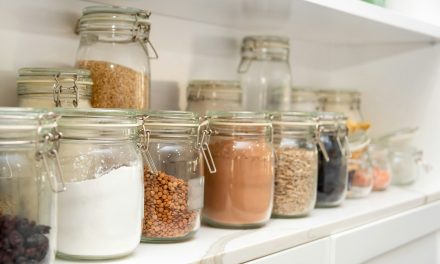
To maintain an orderly kitchen pantry or cabinet, investing in clear, stackable containers is essential. These containers not only provide a uniform appearance but also allow for easy visibility of contents, reducing the time spent searching for ingredients. Opt for airtight containers to preserve the freshness of dry goods such as flour, sugar, pasta, and grains. By keeping these items in clear containers, you can quickly assess inventory levels and avoid unnecessary purchases.
Stackable containers are particularly advantageous in maximizing vertical space within cabinets or pantries. By utilizing the height of your storage areas, you can create additional room for other items while maintaining accessibility. Furthermore, labeling each container can enhance organization and streamline meal preparation. With clear, stackable containers in place, your kitchen will not only look tidy but also function more efficiently.
Maximize Cabinet Interiors with Adjustable Racks

Cabinets often present untapped potential for storage optimization. By incorporating adjustable racks within cabinet interiors, you can customize the space to accommodate various items effectively. These racks can be installed on shelves or within cabinets to create additional layers for storing plates, bowls, or canned goods. The flexibility of adjustable racks allows you to modify the configuration based on changing storage needs or new acquisitions.
In addition to maximizing vertical space, adjustable racks can help prevent clutter by keeping similar items grouped together. For example, you can designate one rack for baking sheets and another for cutting boards, ensuring that everything has its designated spot. This organization not only enhances functionality but also contributes to a more visually appealing kitchen environment.
Use Magnetic Strips for Utensils and Knives
Magnetic strips are an innovative solution for organizing utensils and knives in the kitchen while ensuring safety and accessibility. By mounting a magnetic strip on a wall or the side of a cabinet, you can easily store metal utensils such as spatulas, whisks, and knives without taking up valuable drawer space. This method not only keeps tools within arm’s reach but also adds a modern touch to your kitchen decor.
When using magnetic strips for knives, it is essential to ensure that they are securely mounted at a height that is safe from children’s reach while remaining accessible for adults. Additionally, consider using strips with varying lengths to accommodate different utensil sizes. This approach not only enhances organization but also minimizes clutter on countertops and in drawers.
Incorporate Over-the-Door Organizers
Over-the-door organizers are versatile storage solutions that can significantly enhance kitchen organization without requiring additional floor space. These organizers can be hung on pantry doors or cabinet doors to store various items such as spices, cleaning supplies, or even small kitchen gadgets. By utilizing this often-overlooked area, you can free up valuable shelf space while keeping essential items easily accessible.
When selecting over-the-door organizers, consider options with adjustable pockets or compartments to accommodate different item sizes. Clear pockets allow for visibility while keeping contents organized. This solution is particularly beneficial for small kitchens where every inch counts; it transforms doors into functional storage areas that contribute to an overall organized environment.
Designate Zones for Different Food Categories
Creating designated zones for different food categories is an effective strategy for maintaining an organized kitchen. By grouping similar items together—such as baking supplies, canned goods, snacks, and condiments—you can streamline meal preparation and reduce time spent searching for ingredients. This zoning approach not only enhances efficiency but also promotes a sense of order within your kitchen.
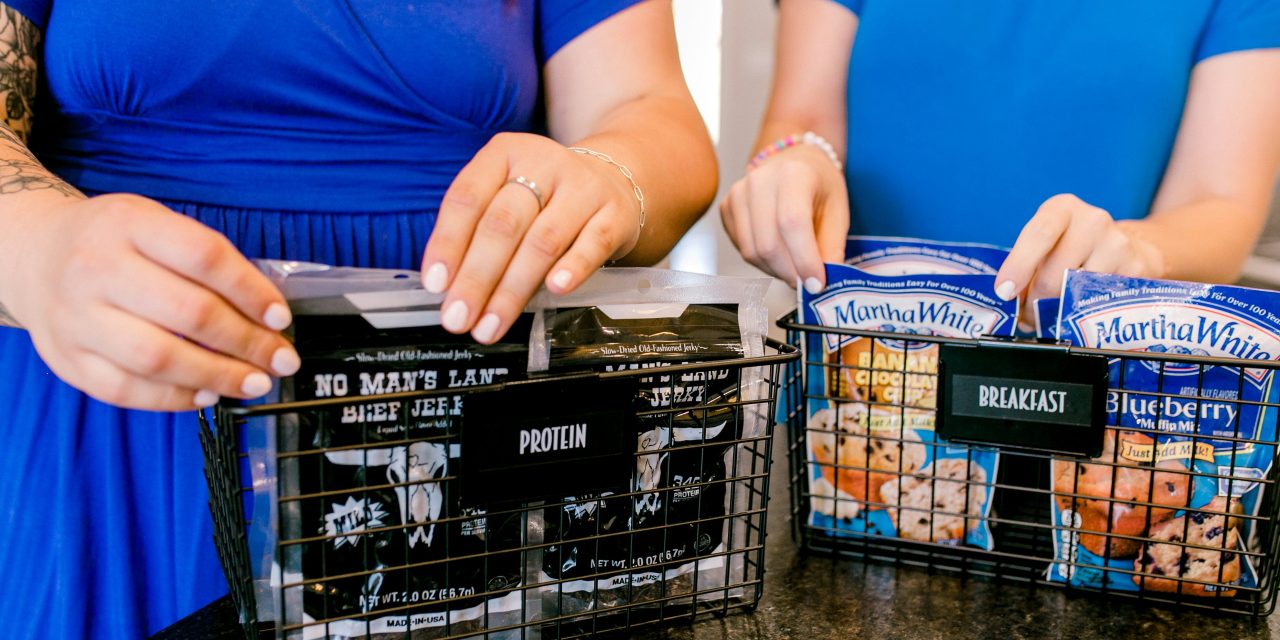
To implement this strategy effectively, consider using labeled bins or baskets to contain each food category within cabinets or pantries. For example, designate one shelf for breakfast items like cereals and granola bars while another shelf can be reserved for baking essentials such as flour and sugar. By establishing clear zones for food categories, you create a systematic approach that simplifies cooking and encourages a clutter-free environment.
Repurpose Furniture for Extra Storage
Repurposing furniture is an innovative way to add extra storage to your kitchen without investing in new cabinetry or shelving units. Consider using vintage dressers or bookshelves as multifunctional pieces that can store kitchen essentials while adding character to your space. For instance, a repurposed dresser can serve as a unique pantry alternative while providing additional countertop space for meal prep.
When selecting furniture to repurpose, ensure it complements your kitchen’s design aesthetic and is functional for your needs. You may choose to paint or refinish the furniture to match existing decor seamlessly. By creatively repurposing furniture pieces, you not only enhance storage capacity but also infuse personality into your kitchen.
Implement Drawer Dividers for Small Items
Small items such as utensils, measuring spoons, and kitchen gadgets can easily become disorganized within drawers if not properly managed. Implementing drawer dividers is an effective solution to keep these items sorted and accessible. Dividers come in various materials—such as wood or plastic—and can be adjusted to fit different drawer sizes.
By categorizing small items within designated sections of the drawer, you can quickly locate what you need during meal preparation without rummaging through cluttered spaces. Consider using dividers with varying compartment sizes to accommodate different item dimensions effectively. This organization method not only enhances functionality but also contributes to an overall tidy appearance in your kitchen.
Store Bulk Items in Decorative Baskets
Bulk items such as potatoes, onions, or snacks can take up significant space in cabinets or pantries if not stored properly. Utilizing decorative baskets is an aesthetically pleasing solution that allows you to store these items while maintaining an organized appearance. Baskets come in various styles and materials—such as wicker or wire—allowing you to choose options that complement your kitchen decor.
When using baskets for bulk storage, consider placing them on open shelves or countertops where they are easily accessible yet visually appealing. Labeling each basket can further enhance organization by indicating its contents at a glance. This approach not only maximizes storage capacity but also adds a charming touch to your kitchen design.
Maintain a Regular Decluttering Routine
To ensure that your kitchen remains organized over time, it is essential to establish a regular decluttering routine. Set aside time each month to assess your kitchen items and determine what is no longer needed or used frequently. This proactive approach prevents clutter from accumulating and allows you to maintain an efficient cooking environment.
During decluttering sessions, consider donating or discarding items that are expired or no longer serve a purpose in your kitchen. Additionally, evaluate the effectiveness of your current storage solutions; if certain areas remain disorganized despite efforts made previously, it may be time to reassess your strategies and implement new solutions accordingly. By committing to regular decluttering practices, you can sustain an organized kitchen that fosters creativity and enjoyment in cooking.
In summary, optimizing kitchen space requires thoughtful assessment of storage needs and strategic implementation of various organizational solutions. From utilizing vertical wall space with shelving to incorporating over-the-door organizers and repurposing furniture for extra storage, there are numerous ways to enhance functionality while maintaining aesthetic appeal. Investing in clear containers and drawer dividers further streamlines organization while designating zones for food categories simplifies meal preparation processes. Regular decluttering routines ensure that your kitchen remains efficient over time—ultimately transforming it into a well-organized haven for culinary creativity.
FAQs
What are some alternatives to a pantry for storing kitchen items?
If you don’t have a pantry, consider using cabinets, shelves, or carts for storage. You can also utilize under-sink areas, the tops of cabinets, or even decorative baskets and bins to keep items organized and accessible.
How can I maximize vertical space in my kitchen without a pantry?
To maximize vertical space, install wall-mounted shelves or use tall bookcases. Hanging racks for pots and pans can also free up counter space. Consider using stackable containers and tiered organizers to make the most of your cabinet space.
What types of containers are best for organizing kitchen items?
Clear, stackable bins are ideal for visibility and space-saving. Airtight containers are great for dry goods, while labeled jars can help keep smaller items organized. Use drawer dividers for utensils and cutlery to maintain order.
How can I keep frequently used items easily accessible?
Store frequently used items in the most accessible locations, such as the front of cabinets or on countertop organizers. Use pull-out shelves or lazy Susans to make it easier to reach items in deeper cabinets.
What are some tips for decluttering a kitchen without a pantry?
Start by removing expired or unused items. Group similar items together and assess what you truly need. Donate or discard duplicates and consider using multi-functional tools to reduce clutter. Regularly reassess your kitchen items to maintain organization.