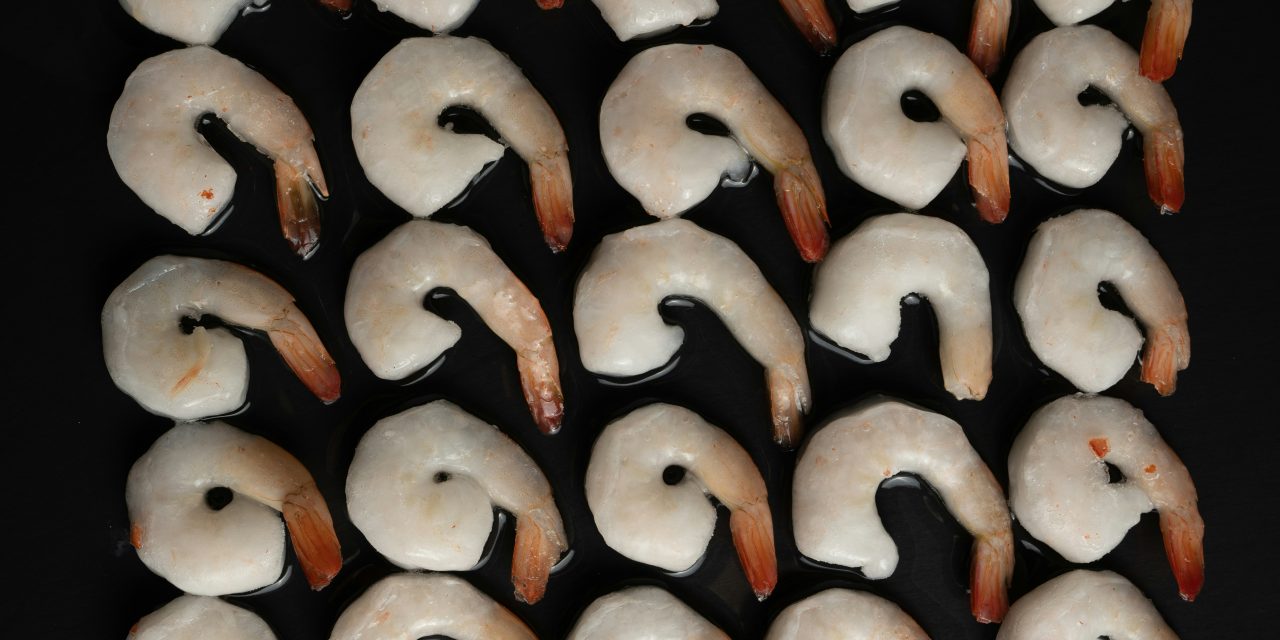
Cooking shrimp from frozen offers a multitude of advantages that can enhance both the culinary experience and the nutritional value of meals. One of the primary benefits is convenience; frozen shrimp are readily available and can be stored for extended periods without compromising quality. This allows home cooks to have a versatile protein source on hand, ready to be incorporated into various dishes at a moment’s notice. Additionally, frozen shrimp are often flash-frozen shortly after being harvested, which helps to preserve their freshness and nutritional content, ensuring that they retain essential vitamins and minerals.
Another significant advantage is the reduction of food waste. By purchasing shrimp in bulk and freezing them, consumers can avoid spoilage that often occurs with fresh seafood. This not only saves money but also contributes to a more sustainable approach to cooking. Furthermore, cooking shrimp directly from the freezer can yield a more succulent texture, as the rapid cooking process helps to lock in moisture, resulting in tender and juicy shrimp that are bursting with flavor.
Choosing the Right Type of Frozen Shrimp
Selecting the appropriate type of frozen shrimp is crucial for achieving optimal results in your culinary endeavors. Shrimp are categorized based on several factors, including size, species, and whether they are raw or cooked. The most common varieties include Pacific white shrimp, Gulf shrimp, and tiger shrimp, each offering distinct flavors and textures. When choosing frozen shrimp, it is essential to consider the size, which is typically measured by the number of shrimp per pound. For instance, larger shrimp (16-20 count) are ideal for grilling or serving as a centerpiece in dishes, while smaller shrimp (41-50 count) work well in stir-fries or pasta.
Additionally, consumers should pay attention to the labeling on frozen shrimp packages. Look for terms such as “wild-caught” or “sustainably sourced,” which indicate higher quality and ethical fishing practices. It is also advisable to choose shrimp that are free from additives like sodium tripolyphosphate (STPP), which can alter texture and flavor. By making informed choices about the type of frozen shrimp you purchase, you can ensure a superior dining experience.
Preparing Your Workspace and Tools

Before embarking on your culinary journey with frozen shrimp, it is essential to prepare your workspace and gather the necessary tools. A clean and organized kitchen not only enhances efficiency but also promotes food safety. Begin by clearing your countertops and ensuring that all surfaces are sanitized. This step is particularly important when handling seafood to prevent cross-contamination with other ingredients.
Next, assemble the tools you will need for cooking frozen shrimp. Essential items include a cutting board, sharp knife, measuring spoons, mixing bowls, and cooking utensils such as tongs or spatulas. Depending on your chosen cooking method, you may also require pots for boiling, a grill for outdoor cooking, or a baking sheet for oven preparation. Having everything within reach will streamline the cooking process and allow you to focus on creating delicious dishes.
Rinsing Frozen Shrimp Before Cooking

Rinsing frozen shrimp before cooking is a topic of debate among culinary experts. While some argue that rinsing can help remove ice crystals and any residual odors from freezing, others caution against it due to potential contamination risks. If you choose to rinse your shrimp, it is crucial to do so under cold running water for a brief period—typically no more than 30 seconds—to minimize bacterial growth.
After rinsing, pat the shrimp dry with paper towels to remove excess moisture. This step is particularly important if you plan to sauté or grill the shrimp, as excess water can lead to steaming rather than searing. Ultimately, whether or not to rinse frozen shrimp depends on personal preference; however, ensuring proper handling and hygiene practices is paramount regardless of your choice.
Methods for Cooking Frozen Shrimp Without Thawing
Cooking frozen shrimp without thawing is not only feasible but can also yield excellent results when done correctly. There are several methods available that allow you to prepare shrimp directly from the freezer while maintaining their flavor and texture. The key is to adjust cooking times and techniques to accommodate the frozen state of the shrimp.
One popular method is sautéing, which involves cooking shrimp quickly over high heat in a skillet with oil or butter. Alternatively, boiling is another effective technique that ensures even cooking while preserving moisture. Grilling frozen shrimp can impart a delightful smoky flavor without the need for thawing, while baking allows for a hands-off approach that can be combined with various seasonings and marinades. Each method has its unique advantages and can be tailored to suit individual tastes and preferences.
How to Sauté Frozen Shrimp Quickly
Sautéing frozen shrimp is an efficient way to prepare this seafood delicacy while achieving a delightful caramelization that enhances flavor. To begin, heat a skillet over medium-high heat and add a generous amount of oil or butter—approximately 2 tablespoons should suffice for one pound of shrimp. Once the oil is shimmering or the butter has melted, add the frozen shrimp directly to the pan.
Cook the shrimp for approximately 5-7 minutes, stirring frequently to ensure even cooking. As they cook, you will notice them turning pink and opaque—a clear indication that they are done. To elevate the dish further, consider adding minced garlic, fresh herbs, or a splash of lemon juice during the last minute of cooking for added depth of flavor. Serve immediately over rice or pasta for a quick and satisfying meal.
Boiling Frozen Shrimp: Step-by-Step Guide
Boiling frozen shrimp is a straightforward method that yields tender results while preserving their natural sweetness. Begin by filling a large pot with water—approximately 4 quarts for every pound of shrimp—and bring it to a rolling boil. For added flavor, consider seasoning the water with salt, lemon slices, or Old Bay seasoning.
Once the water reaches a boil, carefully add the frozen shrimp to the pot. Allow them to cook for about 2-5 minutes, depending on their size; larger shrimp may require slightly longer cooking times. As soon as they turn pink and float to the surface, they are ready to be removed from the pot. Drain them in a colander and rinse briefly under cold water to halt the cooking process. This method ensures perfectly cooked shrimp that can be enjoyed on their own or incorporated into salads and pasta dishes.
Grilling Frozen Shrimp Without Thawing
Grilling frozen shrimp is an excellent way to infuse them with smoky flavors while maintaining their juiciness. To begin this process, preheat your grill to medium-high heat—around 400°F (204°C). While waiting for the grill to reach temperature, prepare skewers if using wooden ones; soak them in water for about 30 minutes to prevent burning.
Once ready, place the frozen shrimp directly onto the grill grates or thread them onto skewers for easier handling. Grill for approximately 6-8 minutes, turning occasionally until they are opaque and have visible grill marks. To enhance flavor further, consider marinating the shrimp beforehand in olive oil, garlic, and herbs for at least 30 minutes before grilling. This method not only adds depth but also creates an appealing presentation when served.
Baking Frozen Shrimp for Perfect Texture
Baking frozen shrimp is an ideal method for achieving a perfectly cooked texture without much fuss. Preheat your oven to 400°F (204°C) while preparing a baking sheet lined with parchment paper or aluminum foil for easy cleanup. Arrange the frozen shrimp in a single layer on the sheet, ensuring they are not overcrowded.
Drizzle with olive oil and season generously with salt, pepper, and any desired spices or herbs—paprika or Italian seasoning work particularly well. Bake in the preheated oven for approximately 12-15 minutes or until they turn pink and opaque. This method allows for even cooking while retaining moisture and flavor; serve alongside roasted vegetables or over a bed of grains for a wholesome meal.
Seasoning Tips for Frozen Shrimp Dishes
Seasoning plays a pivotal role in elevating frozen shrimp dishes from ordinary to extraordinary. Given their mild flavor profile, shrimp readily absorb various spices and marinades. When preparing frozen shrimp, consider using bold flavors such as garlic powder, cayenne pepper, lemon zest, or fresh herbs like cilantro or parsley.
For those looking to create an Asian-inspired dish, soy sauce combined with ginger and sesame oil can impart an irresistible umami flavor profile. Alternatively, Mediterranean flavors such as olive oil, oregano, and feta cheese can create delightful contrasts when paired with baked or grilled shrimp dishes. Experimenting with different seasoning combinations will allow you to discover unique flavor profiles that suit your palate.
Safety Tips and Common Mistakes to Avoid
When handling frozen shrimp, adhering to safety guidelines is essential to prevent foodborne illnesses. Always wash your hands thoroughly before and after handling seafood products. Ensure that all utensils and surfaces are sanitized to avoid cross-contamination with other foods.
One common mistake is overcooking shrimp; this can lead to rubbery textures that detract from their natural sweetness. To avoid this pitfall, monitor cooking times closely and remove them from heat as soon as they turn pink and opaque. Additionally, refrain from thawing shrimp at room temperature; instead, opt for refrigerator thawing or cook directly from frozen to maintain quality.
In summary, cooking frozen shrimp offers numerous benefits including convenience and reduced food waste while preserving freshness and nutritional value. Selecting high-quality frozen shrimp involves understanding different types available in stores while preparing your workspace ensures efficiency during cooking processes such as sautéing or boiling without thawing first—each method yielding delicious results when executed correctly! Proper seasoning enhances flavors significantly while adhering strictly to safety protocols prevents mishaps along the way!
FAQs
Can you cook frozen shrimp without thawing it first?
Yes, you can cook frozen shrimp without thawing it first. Cooking shrimp directly from the freezer is a convenient method that can save time while still yielding delicious results.
What cooking methods can be used for frozen shrimp?
Frozen shrimp can be cooked using various methods, including boiling, steaming, sautéing, or grilling. Each method can effectively cook the shrimp while maintaining its flavor and texture.
How long does it take to cook frozen shrimp?
The cooking time for frozen shrimp varies depending on the method used. Generally, it takes about 5-7 minutes to boil or sauté frozen shrimp, while steaming may take around 6-8 minutes. Always ensure the shrimp are cooked until they are opaque and reach an internal temperature of 120°F (49°C).
Should you adjust the cooking time for frozen shrimp?
Yes, when cooking frozen shrimp, you should slightly increase the cooking time compared to fresh or thawed shrimp. This is because frozen shrimp need additional time to heat through and cook properly.
Is it safe to cook frozen shrimp directly?
Yes, it is safe to cook frozen shrimp directly from the freezer. Cooking shrimp from frozen helps to preserve its texture and flavor, and as long as they are cooked to the appropriate temperature, they are safe to eat.