Selecting the ideal turkey breast is paramount for achieving a succulent and flavorful dish. When shopping, consider the type of turkey breast you wish to purchase. Fresh turkey breasts are often preferred for their superior flavor and texture, while frozen options can be convenient and economical. Look for a breast that is plump and has a pinkish hue, indicating freshness. The absence of any discoloration or unpleasant odor is also crucial in ensuring quality.
Additionally, consider whether you want a bone-in or boneless turkey breast. Bone-in varieties tend to retain moisture better during cooking, resulting in a juicier final product. Conversely, boneless turkey breasts are easier to carve and serve, making them a popular choice for gatherings. Pay attention to the weight as well; a general guideline is to allocate approximately 1 to 1.5 pounds of turkey breast per person, ensuring ample servings for your guests.
Preparing the Turkey Breast for Cooking
Preparation is key to achieving a delicious turkey breast. Begin by thawing the turkey breast if it has been frozen. This process should ideally take place in the refrigerator over several days, allowing for even thawing and minimizing bacterial growth. Once thawed, rinse the turkey breast under cold water and pat it dry with paper towels. This step is essential as it removes any residual blood or fluids that may affect the cooking process.
Next, trim any excess fat or skin from the turkey breast. While some fat can enhance flavor, too much can lead to greasiness. After trimming, consider removing the tendons from the breast if they are present, as they can be tough and chewy when cooked. At this stage, you may also want to prepare a marinade or brine to infuse flavor and moisture into the meat.
Brining: The Key to Moisture Retention

Brining is an effective technique that enhances the juiciness of turkey breast by allowing it to absorb moisture before cooking. A basic brine consists of water, salt, and sugar, but you can customize it with herbs and spices to suit your taste preferences. The salt in the brine helps break down muscle proteins, allowing the meat to retain more moisture during cooking.
To brine your turkey breast, dissolve 1 cup of kosher salt and 1/2 cup of sugar in 1 gallon of water. Submerge the turkey breast in this solution for at least 4 hours, but ideally overnight in the refrigerator. This extended soaking time allows for maximum flavor absorption. After brining, rinse the turkey breast under cold water to remove excess salt and pat it dry before seasoning.
Seasoning Techniques to Enhance Flavor

Seasoning is crucial for elevating the flavor profile of your turkey breast. After brining, apply a dry rub or marinade that complements the natural taste of the meat. A simple blend of garlic powder, onion powder, paprika, black pepper, and fresh herbs such as rosemary or thyme can create a delightful crust when roasted.
For those who prefer a more robust flavor, consider marinating the turkey breast in a mixture of olive oil, lemon juice, and your choice of spices for several hours before cooking. This not only adds flavor but also helps tenderize the meat. Remember to season both the exterior and interior of the breast for an even distribution of flavor.
Selecting the Best Cooking Method
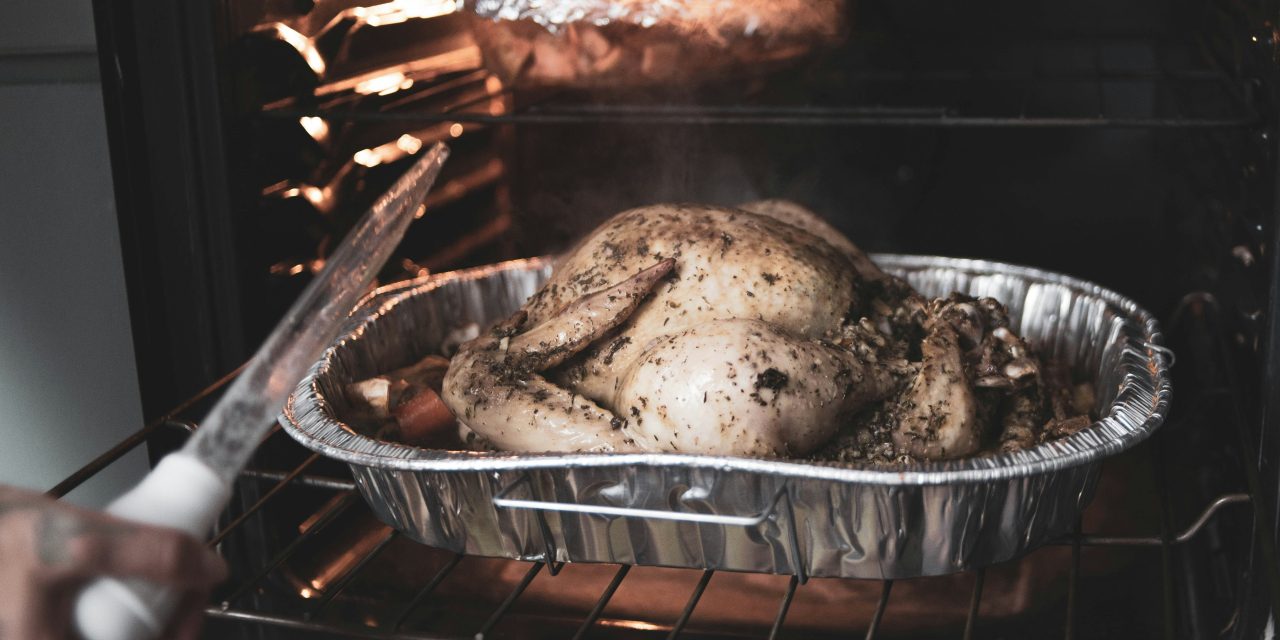
The cooking method you choose can significantly impact the final outcome of your turkey breast. Popular techniques include roasting, grilling, and slow cooking. Roasting is perhaps the most traditional method, allowing for even cooking and a beautifully browned exterior. Preheat your oven to 325°F (163°C) for optimal roasting conditions.
Grilling offers a unique smoky flavor that can enhance the taste of your turkey breast. If opting for this method, ensure that your grill is preheated and maintain a consistent temperature throughout cooking. Slow cooking is another excellent option for those seeking convenience; it allows for hands-off preparation while yielding tender results.
Using a Meat Thermometer for Perfect Doneness
Achieving perfect doneness is essential for both safety and flavor. The use of a meat thermometer is highly recommended to ensure that your turkey breast reaches an internal temperature of 165°F (74°C). Insert the thermometer into the thickest part of the breast without touching bone for an accurate reading.
Monitoring temperature throughout the cooking process will help prevent overcooking, which can lead to dryness. For added precision, consider removing the turkey breast from heat when it reaches 160°F (71°C), allowing it to rest and carry over cooking to reach the desired temperature.
Cooking at the Right Temperature and Time
Cooking time varies based on weight and method used; however, a general guideline is to roast turkey breast at 325°F (163°C) for approximately 20 minutes per pound. For example, a 4-pound turkey breast would require around 80 minutes of cooking time. Always refer to specific guidelines based on your chosen method for best results.
If grilling or using a slow cooker, adjust your cooking times accordingly. Grilling typically requires about 15-20 minutes per pound over medium heat, while slow cooking may take 6-8 hours on low heat. Regardless of method, always prioritize using a meat thermometer to ensure safety and quality.
Covering and Basting to Prevent Dryness
To prevent dryness during cooking, consider covering your turkey breast with aluminum foil during the initial stages of roasting or grilling. This technique traps moisture and creates steam, helping to keep the meat juicy. Remove the foil during the last 30 minutes of cooking to allow for browning.
Basting is another effective method for maintaining moisture levels. Use pan drippings or a mixture of broth and melted butter to baste the turkey every 30 minutes during cooking. This not only enhances flavor but also contributes to a beautiful golden-brown crust.
Resting the Turkey Breast Before Carving
Resting is an often-overlooked step that significantly impacts juiciness and tenderness. After removing the turkey breast from heat, allow it to rest for at least 15-20 minutes before carving. This resting period enables juices to redistribute throughout the meat, preventing them from spilling out when sliced.
Cover the turkey loosely with aluminum foil during this time to retain warmth without trapping steam that could make the skin soggy. This simple step can make a noticeable difference in texture and flavor when serving.
Carving Tips to Maintain Juiciness
Carving your turkey breast correctly is essential for presentation and maintaining juiciness. Begin by using a sharp carving knife to slice against the grain of the meat; this technique ensures tender pieces that are easier to chew. Start by removing one side of the breast from the bone before slicing into even portions.
For added visual appeal, consider arranging slices on a platter with garnishes such as fresh herbs or citrus slices. This not only enhances presentation but also adds an aromatic element that complements the dish beautifully.
Serving Suggestions to Complement Moist Turkey Breast
To elevate your meal further, consider serving your moist turkey breast with complementary side dishes that enhance its flavors. Classic accompaniments include stuffing, cranberry sauce, and roasted vegetables such as Brussels sprouts or carrots. These sides provide contrasting textures and flavors that balance well with turkey.
For a more contemporary twist, consider pairing your turkey with a savory gravy made from pan drippings or a tangy apple chutney that adds brightness to each bite. Additionally, offering a selection of sauces allows guests to customize their plates according to personal preferences.
In summary, preparing a succulent turkey breast involves careful selection, thorough preparation, effective brining techniques, thoughtful seasoning, and precise cooking methods. Utilizing tools such as meat thermometers ensures perfect doneness while resting allows juices to redistribute for optimal flavor retention. By following these guidelines and incorporating complementary sides, you can create an impressive meal that delights your guests and showcases your culinary skills.
FAQs
What is the best cooking method to prevent turkey breast from drying out?
The best cooking methods to prevent turkey breast from drying out include roasting at a low temperature, brining the meat beforehand, and using a cooking bag or covering it with foil. These techniques help retain moisture and enhance flavor.
How long should I cook a turkey breast per pound?
Generally, you should cook a turkey breast for about 20 to 25 minutes per pound at 325°F (163°C). However, it’s essential to use a meat thermometer to ensure the internal temperature reaches 165°F (74°C) for safe consumption.
Should I brine the turkey breast before cooking?
Yes, brining the turkey breast before cooking can significantly enhance its moisture and flavor. A simple brine solution of water, salt, and optional herbs or spices can be used for several hours or overnight to achieve the best results.
What can I do to add flavor to the turkey breast?
To add flavor to the turkey breast, consider using a marinade, seasoning rub, or stuffing it with aromatics like garlic, onions, and herbs. Basting the turkey with broth or butter during cooking can also enhance its taste and moisture.
Is it necessary to let the turkey breast rest after cooking?
Yes, allowing the turkey breast to rest for at least 15 to 20 minutes after cooking is crucial. This resting period helps the juices redistribute throughout the meat, resulting in a more tender and juicy turkey breast when sliced.