Steak doneness levels are crucial for both culinary enthusiasts and professional chefs alike, as they dictate the flavor, texture, and overall enjoyment of the meat. The doneness of steak is primarily determined by its internal temperature, which influences the degree of cooking and the resultant juiciness. The five primary levels of doneness are rare, medium-rare, medium, medium-well, and well-done. Each level presents a unique combination of color, texture, and flavor profile that caters to different palates.
The science behind steak doneness involves the Maillard reaction, which occurs when proteins and sugars in the meat react to heat, creating complex flavors and aromas. As the steak cooks, its internal temperature rises, leading to changes in muscle fibers and fat content. Understanding these levels not only enhances the dining experience but also ensures food safety by preventing undercooked meat that could harbor harmful bacteria.
The Importance of Using a Meat Thermometer
Utilizing a meat thermometer is essential for achieving the desired doneness while ensuring food safety. This tool provides an accurate measurement of the internal temperature, eliminating guesswork and reducing the risk of overcooking or undercooking. A digital instant-read thermometer is particularly effective, as it delivers quick results and can be used for various types of meat.
In addition to precision, a meat thermometer helps maintain the integrity of the steak. Overcooking can lead to a dry and tough texture, while undercooking may result in a chewy and potentially unsafe meal. By monitoring the temperature closely, cooks can achieve the perfect doneness level while preserving the steak’s natural juices and flavors.
Recommended Internal Temperatures for Each Doneness

To ensure optimal flavor and texture, it is vital to adhere to specific internal temperature guidelines for each level of steak doneness. The following temperatures are widely accepted:
– Rare: 120°F to 125°F (49°C to 52°C)
– Medium-Rare: 130°F to 135°F (54°C to 57°C)
– Medium: 140°F to 145°F (60°C to 63°C)
– Medium-Well: 150°F to 155°F (66°C to 68°C)
– Well-Done: 160°F and above (71°C and above)
These temperature ranges not only dictate the doneness but also influence the steak’s juiciness and flavor profile. For instance, rare steaks retain a bright red center, while well-done steaks exhibit a uniform brown color throughout. Understanding these benchmarks allows cooks to tailor their preparation methods according to personal preferences.
Rare Steak: Temperature and Characteristics

Rare steak is characterized by its cool red center and tender texture. Achieving this level of doneness requires precise temperature control, with an internal temperature ranging from 120°F to 125°F (49°C to 52°C). At this stage, the muscle fibers are minimally contracted, resulting in a soft and juicy bite.
Cooking a rare steak typically involves high heat for a short duration. Searing the exterior quickly creates a flavorful crust while preserving the moisture within. It is essential to monitor the temperature closely during this process to avoid crossing into medium-rare territory. A well-executed rare steak offers a rich flavor profile that highlights the natural qualities of the meat.
Medium-Rare Steak: How to Achieve Perfection
Medium-rare steak is often regarded as the gold standard among steak aficionados due to its ideal balance of tenderness and flavor. This level of doneness is achieved at an internal temperature of 130°F to 135°F (54°C to 57°C). The center remains warm with a pink hue, while the exterior develops a beautifully caramelized crust.
To achieve medium-rare perfection, it is crucial to allow the steak to come to room temperature before cooking. This practice promotes even cooking throughout the meat. Searing on high heat for a few minutes per side followed by a brief resting period allows juices to redistribute, enhancing flavor and moisture retention. A meat thermometer is indispensable in this process, ensuring that the steak reaches its target temperature without overshooting.
Medium Steak: Temperature Range and Texture
Medium steak strikes a balance between tenderness and firmness, with an internal temperature ranging from 140°F to 145°F (60°C to 63°C). At this level of doneness, the center exhibits a warm pink color, while the outer layers are cooked through. The texture becomes firmer compared to medium-rare but still retains some juiciness.
To achieve medium doneness, cooks should employ a combination of high heat for searing followed by lower heat for cooking through. This method allows for even cooking while preventing excessive moisture loss. It is advisable to monitor the steak closely as it approaches the desired temperature, as it can quickly transition from medium-rare to medium-well if left unattended.
Medium-Well Steak: What to Expect
Medium-well steak is characterized by a slight hint of pink in the center, with an internal temperature ranging from 150°F to 155°F (66°C to 68°C). At this stage, most of the moisture has evaporated, resulting in a firmer texture that may be less juicy than its medium counterparts. However, it still retains some flavor due to the Maillard reaction that occurs during cooking.
To prepare medium-well steak successfully, cooks should utilize moderate heat for an extended period. This approach allows for thorough cooking without excessive charring on the exterior. While some may prefer this level of doneness for its firmer texture, it is essential to avoid overcooking, which can lead to dryness and loss of flavor.
Well-Done Steak: Tips to Avoid Dryness
Well-done steak is cooked thoroughly with no traces of pink remaining, achieving an internal temperature of 160°F (71°C) or higher. While this level may be preferred by some diners for its fully cooked nature, it often poses challenges in terms of maintaining moisture and tenderness.
To prevent dryness when cooking well-done steak, consider using marinades or brines prior to cooking. These methods infuse moisture into the meat and enhance flavor profiles. Additionally, employing lower cooking temperatures over longer periods can help retain juices while ensuring thorough cooking. Basting with butter or oil during cooking can also contribute to moisture retention.
Visual and Touch Tests for Doneness
While using a meat thermometer is the most reliable method for determining steak doneness, visual cues and touch tests can also provide valuable insights. Observing color changes in the meat can indicate its level of doneness; for instance, rare steaks will appear bright red while well-done steaks will be uniformly brown.
The touch test involves assessing firmness by pressing on the steak with your finger or tongs. A rare steak will feel soft and squishy, while a well-done steak will feel firm and resilient. By combining these methods with temperature readings, cooks can achieve greater accuracy in determining doneness levels.
Resting Your Steak: Why It Matters
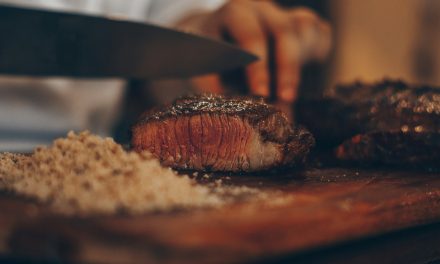
Resting is a critical step in preparing steak that should not be overlooked. After cooking, allowing the steak to rest for approximately five to ten minutes enables juices to redistribute throughout the meat fibers. This process enhances flavor and tenderness while preventing excessive moisture loss when slicing into the steak.
During resting, carryover cooking occurs as residual heat continues to raise the internal temperature slightly. This phenomenon can help achieve the desired doneness without risking overcooking during preparation. Covering the steak loosely with foil during this period can help retain warmth while allowing steam to escape.
Common Mistakes When Checking Steak Doneness and How to Avoid Them
Several common pitfalls can arise when checking steak doneness that may lead to unsatisfactory results. One frequent mistake is relying solely on cooking time rather than monitoring internal temperature; this can result in overcooked or undercooked meat due to variations in thickness or heat sources.
Another common error is not allowing steaks to rest adequately before slicing; cutting too soon can lead to significant juice loss and dryness. Additionally, failing to use a calibrated meat thermometer can yield inaccurate readings that compromise doneness levels.
To avoid these mistakes, always prioritize using a reliable meat thermometer for accurate measurements. Allow steaks ample resting time before serving and consider thickness variations when estimating cooking times.
In summary, understanding steak doneness levels is essential for achieving culinary excellence while ensuring food safety. Utilizing a meat thermometer provides precision in monitoring internal temperatures across various doneness levels—from rare to well-done—each offering distinct characteristics in flavor and texture. Employing proper techniques during preparation and resting enhances overall quality while avoiding common pitfalls ensures an enjoyable dining experience for all steak lovers.
FAQs
What are the different levels of doneness for steak?
The different levels of doneness for steak include rare, medium rare, medium, medium well, and well done. Rare steak is typically cooked to an internal temperature of 125°F (52°C), medium rare at 135°F (57°C), medium at 145°F (63°C), medium well at 150°F (66°C), and well done at 160°F (71°C) or higher.
How can I accurately measure the temperature of steak?
To accurately measure the temperature of steak, use an instant-read meat thermometer. Insert the thermometer into the thickest part of the steak, avoiding any bones or fat, to get the most accurate reading of the internal temperature.
What is the resting time for steak after cooking?
After cooking, steak should rest for about 5 to 10 minutes before slicing. This allows the juices to redistribute throughout the meat, resulting in a more flavorful and tender steak.
Can I tell if steak is done without a thermometer?
While a thermometer is the most reliable method, you can also use the touch test to gauge doneness. Press the steak with your finger; rare will feel soft, medium rare will feel slightly firmer, medium will feel springy, medium well will feel firm, and well done will feel very firm.
What factors can affect the cooking time of steak?
Several factors can affect the cooking time of steak, including the thickness of the cut, the cooking method (grilling, pan-searing, etc.), the starting temperature of the meat (room temperature vs. refrigerated), and the heat level of the cooking surface. Adjustments may be necessary based on these variables.