Hash browns are a quintessential breakfast dish that has captured the hearts and palates of many across the globe. Originating in the United States, this delightful preparation of shredded or diced potatoes is often served alongside eggs, bacon, or as a standalone dish. The appeal of hash browns lies in their crispy exterior and tender interior, which creates a satisfying contrast in texture. The dish can be customized with various seasonings and ingredients, making it versatile enough to suit different tastes and dietary preferences.
At its core, hash browns are made from potatoes, which are rich in carbohydrates and provide a hearty base for this dish. The cooking method typically involves frying, which allows for the Maillard reaction to occur, resulting in that coveted golden-brown crust. Understanding the fundamentals of hash browns is essential for anyone looking to master this breakfast staple, as it sets the stage for achieving the perfect balance of flavor and texture.
Choosing the Right Potatoes for Crispiness
Selecting the appropriate type of potato is crucial for achieving crispy hash browns. Starchy potatoes, such as Russets or Idaho potatoes, are often recommended due to their high starch content and low moisture levels. These characteristics contribute to a fluffy interior while allowing for a crispy exterior when cooked. Conversely, waxy potatoes like red or new potatoes contain more moisture and less starch, which can lead to a soggy texture when fried.
When choosing potatoes, consider their size and freshness. Larger potatoes may require longer cooking times, while smaller ones can be easier to handle and prepare. Freshness is also key; look for firm potatoes without any blemishes or sprouts. The right choice of potato can significantly impact the final product, making it essential to prioritize quality when selecting your ingredients.
Preparing Potatoes: Peeling and Grating Techniques

Preparation is a vital step in creating perfect hash browns. Begin by peeling the potatoes if desired; however, leaving the skin on can add texture and nutrients. If you choose to peel them, use a vegetable peeler for a clean finish. Once peeled, the next step is grating the potatoes. A box grater or food processor can be employed for this task, but ensure that the grating size is consistent to promote even cooking.
When grating, consider using the large holes of a box grater for traditional hash browns or the smaller holes for a finer texture. The choice of grating technique will influence the final outcome; larger shreds yield a chunkier bite, while finer shreds create a more cohesive texture. Regardless of your choice, aim for uniformity to ensure that all pieces cook evenly.
Removing Excess Moisture for Better Texture

One of the most critical steps in preparing hash browns is removing excess moisture from the grated potatoes. Moisture can lead to steaming rather than frying, resulting in soggy hash browns that lack the desired crispiness. After grating, place the potatoes in a clean kitchen towel or cheesecloth and twist to squeeze out as much liquid as possible. This technique not only enhances texture but also concentrates flavor.
Alternatively, you can soak the grated potatoes in cold water for about 30 minutes to remove excess starch. After soaking, drain and rinse them thoroughly before drying them again with a towel. This dual approach—squeezing out moisture and soaking—can significantly improve the final product’s crispiness and overall quality.
Seasoning Your Hash Browns Perfectly
Seasoning is an essential aspect of hash brown preparation that can elevate their flavor profile. Basic seasoning typically includes salt and pepper; however, additional herbs and spices can enhance taste complexity. Consider incorporating garlic powder, onion powder, paprika, or even fresh herbs like chives or parsley for added depth.
When seasoning, it’s important to do so judiciously. Start with a small amount of salt and pepper, then adjust according to your preference. Remember that seasoning should complement rather than overpower the natural flavor of the potatoes. A well-seasoned batch of hash browns can transform an ordinary breakfast into an extraordinary culinary experience.
Selecting the Best Cooking Oil or Fat
The choice of cooking oil or fat plays a significant role in achieving crispy hash browns. Oils with high smoke points are ideal for frying as they can withstand higher temperatures without burning. Common options include vegetable oil, canola oil, or peanut oil. Alternatively, using clarified butter or ghee can impart a rich flavor while still providing high heat tolerance.
When selecting oil, consider its flavor profile as well; neutral oils allow the potato flavor to shine through, while flavored oils can add an extra layer of taste. The amount of oil used is also crucial; ensure there is enough to coat the bottom of the pan adequately without drowning the potatoes. This balance will help achieve that perfect crispy texture.
Preheating the Pan to the Ideal Temperature
Preheating your cooking pan is essential for achieving optimal results when frying hash browns. A well-heated pan ensures that the potatoes begin cooking immediately upon contact, promoting even browning and preventing sticking. Aim for medium-high heat; too low will result in soggy hash browns, while too high may burn them before they cook through.
To test if your pan is ready, add a small drop of water; if it sizzles and evaporates quickly, you’re good to go. Alternatively, you can sprinkle a few grated potato shreds into the pan; if they sizzle upon contact, it’s time to add your main batch. Proper preheating sets the stage for achieving that coveted crispy exterior.
Using the Right Pan for Even Cooking
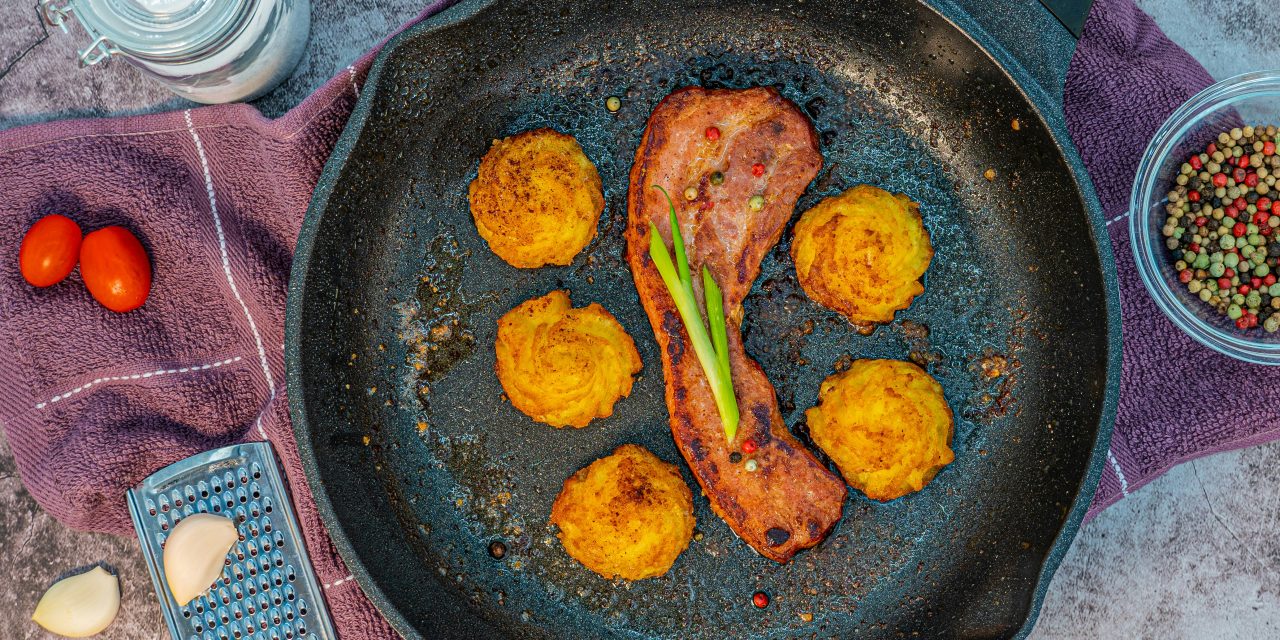
The type of pan used can significantly affect how evenly your hash browns cook. A heavy-bottomed skillet or cast-iron pan is often recommended due to its ability to retain heat effectively and distribute it evenly across the cooking surface. Non-stick pans can also work well but may require more oil to prevent sticking.
Avoid using lightweight pans that may warp under high heat; these can lead to uneven cooking and inconsistent results. Additionally, ensure that your pan is large enough to accommodate your potato mixture without overcrowding; overcrowding can trap steam and hinder crispiness.
Cooking Hash Browns: Step-by-Step Guide
To cook hash browns successfully, follow these steps:
1. **Preheat**: Heat your chosen pan over medium-high heat until hot.
2. **Add Oil**: Pour in enough oil to coat the bottom of the pan evenly.
3. **Add Potatoes**: Carefully add your grated potatoes in an even layer without overcrowding.
4. **Press Down**: Use a spatula to press down gently on the potatoes; this helps them form a cohesive layer.
5. **Cook**: Allow them to cook undisturbed for about 5-7 minutes until golden brown on one side.
6. **Flip**: Carefully flip using a spatula or by sliding onto a plate and inverting back into the pan.
7. **Finish Cooking**: Cook for an additional 5-7 minutes until both sides are crispy and golden.
8. **Drain**: Remove from heat and place on paper towels to absorb excess oil before serving.
Following these steps will help ensure that your hash browns turn out perfectly crispy every time.
Tips to Flip Hash Browns Without Breaking Them
Flipping hash browns can be one of the trickiest aspects of cooking them without compromising their integrity. To minimize breakage during flipping, allow them to form a solid crust on one side before attempting to turn them over; this usually takes about 5-7 minutes on medium-high heat.
Using a wide spatula can provide better support when flipping; slide it underneath as far as possible before lifting. Alternatively, consider flipping half at a time if you’re working with a larger batch; this reduces stress on each portion and allows for easier handling. If you’re feeling adventurous, you can also slide them onto a plate and invert them back into the pan—this method often yields better results with less risk of breaking.
How to Know When Your Hash Browns Are Perfectly Crispy
Determining when hash browns are perfectly crispy involves both visual cues and tactile feedback. Look for a deep golden-brown color on both sides; this indicates that they have developed that desirable crust through proper frying techniques. Additionally, gently press down on the surface with a spatula; if it feels firm and resists pressure without collapsing, they are likely ready.
Another indicator is sound; perfectly cooked hash browns should emit a satisfying crunch when you tap them lightly with a utensil. If they appear golden but feel soft or mushy when pressed, they may need additional cooking time to achieve that ideal crispiness.
In summary, mastering hash browns requires attention to detail at every stage—from selecting the right potatoes to perfecting cooking techniques. By understanding each component involved in their preparation and execution, you can create deliciously crispy hash browns that will impress at any breakfast table.
FAQs
What type of potatoes are best for making crispy hash browns?
Russet potatoes are the best choice for making crispy hash browns due to their high starch content, which helps achieve a crispy texture when cooked. Yukon Gold potatoes can also be used for a creamier texture, but they may not get as crispy as Russets.
How should I prepare the potatoes before cooking hash browns?
Before cooking, wash and peel the potatoes, then grate them using a box grater or food processor. After grating, it’s essential to rinse the potatoes in cold water to remove excess starch, which can prevent crispiness. Drain and thoroughly dry the grated potatoes using a clean kitchen towel or paper towels.
What cooking oil is recommended for frying hash browns?
Vegetable oil, canola oil, or peanut oil are recommended for frying hash browns due to their high smoke points, which allow for frying at higher temperatures without burning. You can also use a combination of butter and oil for added flavor, but be cautious with the heat to prevent the butter from burning.
What temperature should I cook hash browns at for optimal crispiness?
Cooking hash browns at medium-high heat (around 375°F or 190°C) is ideal for achieving a crispy exterior while ensuring the inside is cooked through. It’s important to preheat the pan and oil before adding the grated potatoes to ensure they start frying immediately.
How can I prevent my hash browns from burning?
To prevent burning, avoid overcrowding the pan, as this can trap steam and lead to soggy hash browns. Cook in batches if necessary. Additionally, monitor the heat closely and adjust as needed, flipping the hash browns only once to allow for even browning on both sides.