Blanching is a culinary technique that involves briefly cooking vegetables in boiling water, followed by rapid cooling in ice water. This method serves multiple purposes, primarily aimed at preserving the quality and nutritional value of vegetables. One of the key benefits of blanching is that it helps to deactivate enzymes that can lead to spoilage and loss of flavor, color, and texture. By halting these enzymatic processes, blanching extends the shelf life of vegetables, making them suitable for freezing or further cooking.
Moreover, blanching enhances the vibrant colors of vegetables, making them more visually appealing. The process also softens the texture slightly, which can be beneficial when incorporating them into various dishes. Additionally, blanching can help remove dirt and microorganisms from the surface of vegetables, ensuring they are clean and safe for consumption. Overall, understanding the purpose of blanching is essential for anyone looking to maximize the quality and longevity of their vegetable preparations.
Choosing the Right Vegetables for Blanching
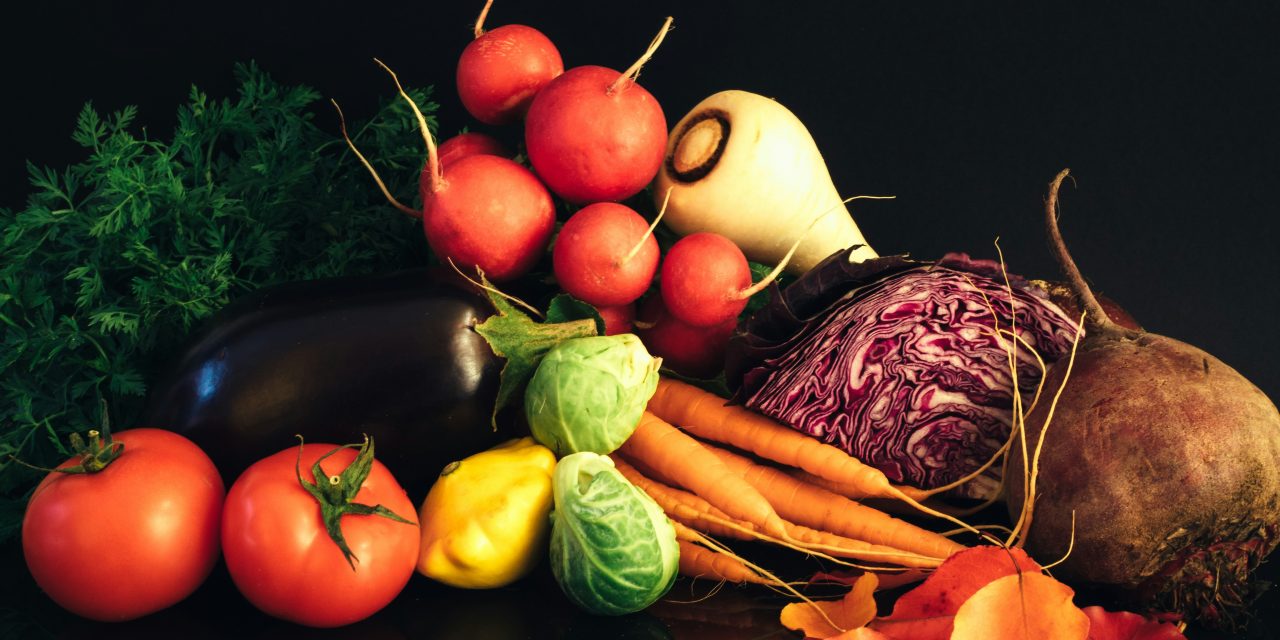
Not all vegetables are created equal when it comes to blanching; some respond better to this technique than others. Leafy greens such as spinach and kale, cruciferous vegetables like broccoli and cauliflower, and firm vegetables such as carrots and green beans are excellent candidates for blanching. These vegetables benefit from the process as it helps to preserve their nutrients while enhancing their color and texture.
Conversely, certain vegetables may not require blanching or may not respond well to the process. For instance, starchy vegetables like potatoes and corn can become mushy if blanched for too long. Additionally, delicate vegetables such as cucumbers or lettuce do not typically require blanching due to their high water content and tender texture. When selecting vegetables for blanching, consider their texture, water content, and intended use in recipes to ensure optimal results.
Preparing Vegetables: Washing and Cutting

Preparation is a crucial step in the blanching process. Before blanching, it is essential to wash vegetables thoroughly under running water to remove any dirt, pesticides, or contaminants. This step ensures that the final product is clean and safe for consumption. For leafy greens, it may be beneficial to soak them in a bowl of water to dislodge any hidden dirt before rinsing.
Once washed, the next step involves cutting the vegetables into uniform pieces. This ensures even cooking during the blanching process. For example, carrots should be sliced into rounds or sticks of similar thickness to guarantee that they cook uniformly. Similarly, broccoli florets should be cut into consistent sizes to achieve optimal results. Proper preparation not only enhances the effectiveness of blanching but also contributes to the overall presentation of the dish.
Selecting the Appropriate Blanching Method

There are two primary methods for blanching vegetables: boiling water blanching and steam blanching. Boiling water blanching involves immersing vegetables in rapidly boiling water for a specified duration before transferring them to ice water. This method is widely used due to its simplicity and effectiveness in preserving color and texture.
Steam blanching, on the other hand, utilizes steam generated from boiling water to cook the vegetables. This method is particularly advantageous for delicate vegetables that may lose their texture or flavor when submerged in boiling water. Steam blanching allows for a gentler cooking process while still achieving the desired results. When selecting a blanching method, consider the type of vegetable being prepared and the desired outcome to ensure optimal flavor and texture retention.
Timing: How Long to Blanch Different Vegetables
Timing is critical when it comes to blanching vegetables; over-blanching can lead to loss of nutrients and undesirable texture. Each type of vegetable has its own recommended blanching time based on its density and water content. For instance, green beans typically require 3-5 minutes of blanching, while broccoli florets may need 2-3 minutes.
To ensure accuracy, it is advisable to consult a blanching time chart specific to each vegetable type. This chart provides guidelines on how long to blanch various vegetables for optimal results. Additionally, using a timer can help prevent overcooking and ensure that each vegetable retains its vibrant color and crisp texture.
Using Ice Water to Stop the Cooking Process
After blanching vegetables in boiling water, it is crucial to halt the cooking process immediately by transferring them to an ice water bath. This technique is known as shocking and serves to stop further cooking while preserving the color and texture achieved during blanching. The ice water bath should be prepared in advance by filling a large bowl with ice cubes and cold water.
Once the vegetables are removed from boiling water, they should be submerged in the ice bath for approximately the same amount of time they were blanched. This rapid cooling helps lock in nutrients and prevents overcooking. After shocking, drain the vegetables thoroughly before proceeding with drying or storage.
Tips for Retaining Vibrant Color During Blanching
To achieve vibrant colors during the blanching process, several tips can be employed. Firstly, ensure that the water used for blanching is at a rolling boil before adding the vegetables; this helps maintain their bright hues. Additionally, adding salt to the boiling water can enhance color retention while also improving flavor.
Another effective technique is to avoid overcrowding the pot during blanching; this allows for even cooking and prevents temperature fluctuations that can lead to dull colors. Finally, promptly shocking the vegetables in ice water after blanching is essential for preserving their vibrant appearance. By following these tips, home cooks can achieve visually appealing results that enhance their culinary presentations.
Common Mistakes to Avoid When Blanching
While blanching may seem straightforward, several common mistakes can hinder optimal results. One frequent error is failing to prepare an ice bath in advance; without this crucial step, vegetables may continue cooking after being removed from boiling water, leading to overcooked textures.
Another mistake is neglecting to cut vegetables into uniform sizes before blanching; uneven pieces can result in inconsistent cooking times and textures. Additionally, overcooking or undercooking vegetables can compromise their flavor and nutritional value. To avoid these pitfalls, meticulous preparation and attention to timing are essential components of successful blanching.
How to Dry and Store Blanched Vegetables
Once blanched and cooled in an ice bath, it is important to dry vegetables thoroughly before storing them. Excess moisture can lead to freezer burn or spoilage during storage. To dry blanched vegetables effectively, spread them out on a clean kitchen towel or paper towels and pat them gently until moisture is absorbed.
For long-term storage, blanched vegetables can be placed in airtight containers or freezer bags designed for freezing. It is advisable to remove as much air as possible from bags before sealing them to prevent freezer burn. Label containers with dates for easy identification later on. Properly stored blanched vegetables can last up to 12 months in the freezer while retaining their quality.
Using Blanched Vegetables in Recipes
Blanched vegetables are versatile ingredients that can be incorporated into a variety of recipes. They can be used in salads, stir-fries, casseroles, or as side dishes on their own. The slight tenderness achieved through blanching makes them easier to incorporate into dishes without compromising their nutritional value.
For instance, blanched green beans can be tossed with olive oil and garlic for a simple side dish or added to pasta salads for extra crunch and color. Similarly, blanched broccoli florets can be included in quiches or frittatas for added nutrition and flavor. The possibilities are endless when it comes to utilizing blanched vegetables in culinary creations.
Troubleshooting: What to Do If Vegetables Lose Color
If blanched vegetables lose their vibrant color during cooking or storage, there are several troubleshooting steps that can be taken. First, ensure that proper timing was adhered to during the blanching process; overcooking can lead to dull colors.
If discoloration occurs after freezing, it may be due to inadequate cooling before storage or exposure to air within containers. To remedy this issue in future preparations, ensure that an ice bath is utilized immediately after blanching and that containers are sealed tightly before freezing.
In cases where color loss has already occurred, consider using sauces or dressings that enhance visual appeal when serving dishes containing these vegetables. Brightly colored sauces can help mask any dullness while adding flavor.
In summary, blanching is an essential culinary technique that preserves the quality of vegetables while enhancing their appearance and flavor. By understanding its purpose, selecting appropriate vegetables, preparing them correctly, choosing suitable methods, timing accurately, utilizing ice baths effectively, retaining vibrant colors through careful techniques, avoiding common mistakes, drying properly for storage, incorporating blanched veggies into recipes creatively, and troubleshooting discoloration issues effectively—home cooks can master this valuable skill for optimal culinary results.
FAQs
What is blanching and why is it important for vegetables?
Blanching is a cooking process where vegetables are briefly boiled and then quickly cooled in ice water. This technique is important because it helps to preserve the color, texture, and nutritional value of the vegetables while also removing any surface dirt and microorganisms.
How long should vegetables be blanched?
The blanching time varies depending on the type of vegetable. Generally, most vegetables should be blanched for 2 to 5 minutes. For example, green beans typically require about 3 minutes, while carrots may need around 4 minutes. It’s essential to refer to specific guidelines for each vegetable to achieve the best results.
What is the purpose of using ice water after blanching?
The purpose of using ice water after blanching is to stop the cooking process immediately. This technique, known as shocking, helps to maintain the vibrant color and crisp texture of the vegetables, preventing them from becoming overcooked and mushy.
Can I blanch vegetables without boiling them first?
No, blanching requires boiling the vegetables first. The boiling water helps to deactivate enzymes that can cause loss of flavor, color, and texture. Skipping the boiling step would not achieve the desired results in preserving the vegetables.
What vegetables are best suited for blanching?
Vegetables that are commonly blanched include green beans, broccoli, asparagus, carrots, and peas. These vegetables benefit from the blanching process as it enhances their color and texture while also making them easier to freeze or incorporate into recipes.