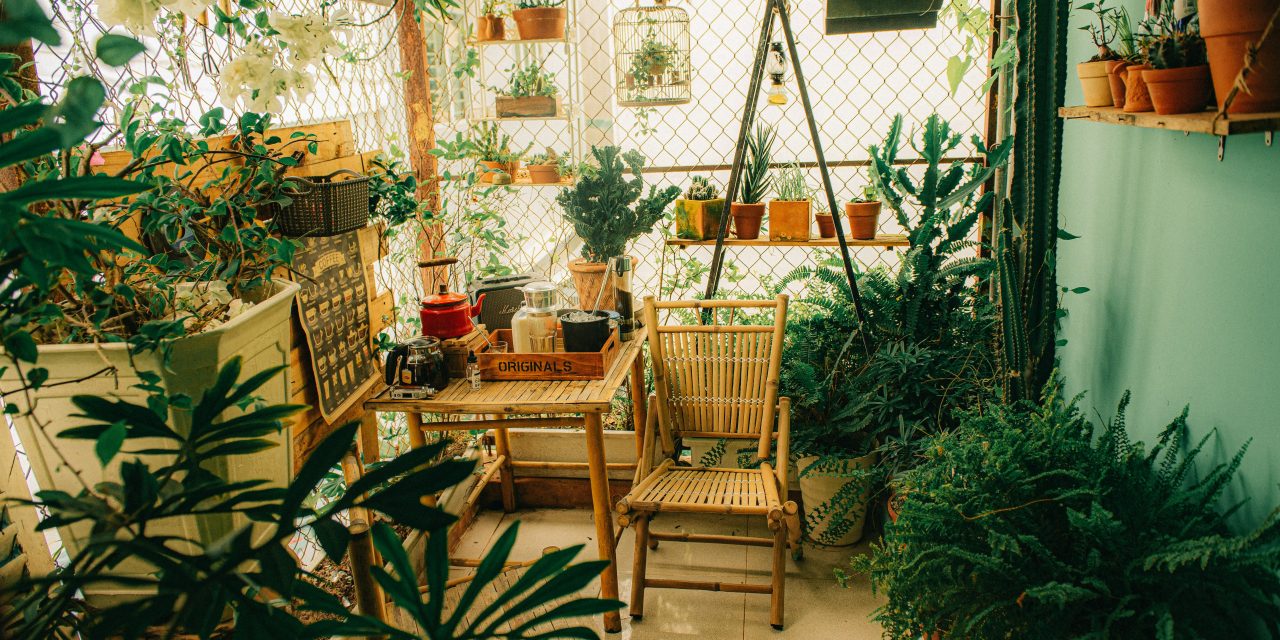
In the realm of urban living, outdoor spaces often come at a premium. A small patio can serve as a sanctuary, a place to unwind, and a canvas for creativity. By incorporating plants into this limited area, one can transform an ordinary patio into a vibrant oasis that not only enhances aesthetic appeal but also promotes mental well-being. The strategic selection of plants can create a lush environment that invites relaxation and enjoyment. This article delves into the criteria for choosing the best plants for small patio gardens and highlights various options that cater to different preferences and conditions.
The integration of greenery into your patio space can significantly improve air quality, provide shade, and even yield edible produce. Whether you are an experienced gardener or a novice, understanding the nuances of plant selection is crucial. Factors such as sunlight exposure, climate, and maintenance requirements play pivotal roles in determining which plants will thrive in your small outdoor haven. By carefully curating your plant choices, you can create a harmonious balance between beauty and functionality.
Criteria for Choosing the Best Plants for Small Patio Gardens
When selecting plants for a small patio, several criteria should be considered to ensure that your garden flourishes. First and foremost, assess the amount of sunlight your patio receives throughout the day. Different plants have varying light requirements; some thrive in full sun, while others prefer partial shade or full shade. Understanding your patio’s microclimate will help you choose plants that are well-suited to their environment.
Another important factor is the size of the plants at maturity. Opting for compact varieties ensures that your patio does not become overcrowded, allowing each plant to showcase its unique characteristics. Additionally, consider the maintenance level required for each plant. Some species demand regular watering and pruning, while others are more forgiving and require minimal care. Selecting low-maintenance plants can be particularly beneficial for busy individuals or those new to gardening.
Compact and Colorful: Dwarf Hydrangeas

Dwarf hydrangeas are an excellent choice for small patios due to their compact size and stunning blooms. These shrubs typically reach heights of 2 to 3 feet, making them ideal for container gardening or as focal points in garden beds. Their vibrant flowers come in various colors, including blue, pink, and white, providing a splash of color throughout the growing season.
In addition to their visual appeal, dwarf hydrangeas are relatively easy to care for. They thrive in well-drained soil and prefer partial shade to full sun. Regular watering is essential, especially during dry spells, but they are generally resilient once established. Pruning should be done after flowering to maintain their shape and encourage new growth. With their ability to adapt to different environments, dwarf hydrangeas can flourish in various climates, making them a versatile option for any small patio.
Fragrant and Hardy: Lavender

Lavender is a quintessential plant that brings both beauty and fragrance to any outdoor space. Known for its aromatic properties, this hardy perennial thrives in sunny locations with well-drained soil. Lavender’s compact growth habit makes it suitable for small patios, where it can be planted in pots or as part of a mixed border.
Beyond its delightful scent, lavender offers numerous benefits. It attracts pollinators such as bees and butterflies, contributing to local biodiversity. Additionally, lavender has been shown to have calming effects, making it an ideal choice for creating a serene atmosphere on your patio. Maintenance is minimal; regular pruning after flowering encourages bushier growth and prevents woody stems from developing. With its drought-resistant nature, lavender is perfect for gardeners seeking low-maintenance options.
Vertical Beauty: Climbing Jasmine
For those looking to maximize vertical space on their small patio, climbing jasmine presents an enchanting solution. This vigorous vine produces fragrant white flowers that bloom throughout the summer months, creating a romantic ambiance. Climbing jasmine can be trained to grow on trellises or fences, allowing you to utilize vertical surfaces effectively.
In terms of care, jasmine prefers full sun to partial shade and well-drained soil enriched with organic matter. Regular watering is essential during dry periods, but jasmine is relatively drought-tolerant once established. Pruning should be done after flowering to maintain shape and encourage new growth. The addition of climbing jasmine not only enhances the visual appeal of your patio but also provides privacy and shelter from the elements.
Low Maintenance Succulents for Sunny Spots
Succulents have gained immense popularity in recent years due to their unique shapes and low maintenance requirements. These drought-resistant plants store water in their leaves, making them ideal for sunny patios where other plants may struggle. Varieties such as Echeveria, Sedum, and Aloe Vera come in various colors and textures, allowing for creative arrangements in pots or containers.
Succulents thrive in well-draining soil and require minimal watering—typically once every two weeks during the growing season. Their resilience makes them perfect for busy individuals or those who may forget to water regularly. Additionally, succulents can be combined with decorative stones or gravel to create visually appealing arrangements that complement your patio’s aesthetic.
Vibrant Blooms: Geraniums
Geraniums are beloved for their vibrant blooms and versatility in container gardening. These annuals come in various colors, including red, pink, white, and purple, providing an explosion of color that can brighten any small patio space. Geraniums thrive in full sun and well-drained soil, making them suitable for sunny locations.
In terms of care, geraniums require regular watering but should not be allowed to sit in soggy soil. Deadheading spent flowers encourages continuous blooming throughout the season. Geraniums are also relatively pest-resistant, making them an excellent choice for novice gardeners seeking low-maintenance options that deliver high visual impact.
Air-Purifying Spider Plants
Spider plants (Chlorophytum comosum) are not only aesthetically pleasing but also serve as natural air purifiers. Their arching green leaves produce small white flowers that add charm to any patio setting. Spider plants thrive in indirect sunlight and can tolerate a range of conditions, making them adaptable to various patio environments.
These plants are known for their ability to remove toxins from the air, contributing to improved indoor air quality when brought inside during colder months. Spider plants prefer well-drained soil and should be watered when the top inch of soil feels dry. They are also known for producing “pups,” or offshoots, which can be propagated easily to expand your collection or share with friends.
Edible and Attractive: Cherry Tomatoes
For those interested in edible gardening, cherry tomatoes are an excellent choice for small patios. These compact plants produce sweet, bite-sized fruits that can be enjoyed fresh or used in various culinary dishes. Cherry tomatoes thrive in full sun and require well-drained soil enriched with organic matter.
Regular watering is essential during fruit development; however, overwatering should be avoided as it can lead to root rot. Fertilizing every few weeks with a balanced fertilizer will promote healthy growth and fruit production. Growing cherry tomatoes not only adds beauty to your patio but also provides a rewarding harvest that enhances your culinary endeavors.
Shade-Loving Ferns for Cozy Corners
If your small patio has shaded areas, incorporating ferns can create a lush and inviting atmosphere. Ferns such as Boston fern (Nephrolepis exaltata) or maidenhair fern (Adiantum) thrive in low-light conditions and add texture with their delicate fronds. These plants prefer moist soil and high humidity levels, making them ideal for shaded corners where other plants may struggle.
Ferns require regular watering to keep the soil consistently moist but not soggy. They benefit from occasional misting to increase humidity levels around them. By incorporating ferns into your patio design, you can create a tranquil retreat that feels like a hidden garden oasis.
Cheerful and Compact: Marigolds
Marigolds are cheerful annuals that bring vibrant color and pest-repelling properties to any small patio garden. Available in shades of orange, yellow, and red, these compact flowers thrive in full sun and well-drained soil. Their bright blooms attract pollinators while deterring certain pests from nearby plants.
Marigolds require regular watering but should not be overwatered; allowing the soil to dry slightly between waterings is ideal. Deadheading spent flowers encourages continuous blooming throughout the season. With their cheerful disposition and ease of care, marigolds are perfect for adding a splash of color to your outdoor space.
Elegant and Easy: Snake Plants
Snake plants (Sansevieria trifasciata) are renowned for their striking architectural form and air-purifying qualities. These hardy plants thrive in various lighting conditions—from low light to bright indirect sunlight—making them versatile additions to any small patio setting.
Snake plants require minimal care; they prefer well-draining soil and infrequent watering—typically every 2-6 weeks depending on environmental conditions. Their ability to tolerate neglect makes them ideal for busy individuals or those new to gardening. With their elegant appearance and air-purifying benefits, snake plants can enhance both the aesthetic appeal and air quality of your patio.
Creating a Lush, Inviting Patio Oasis
Transforming a small patio into a lush oasis is achievable through thoughtful plant selection and design considerations. By choosing compact varieties such as dwarf hydrangeas or geraniums alongside fragrant options like lavender or climbing jasmine, you can create an inviting atmosphere that reflects your personal style while maximizing limited space.
Incorporating edible plants like cherry tomatoes alongside air-purifying species such as spider plants enhances both functionality and aesthetics within your outdoor sanctuary. Whether you prefer vibrant blooms or serene greenery, there are countless options available to suit your preferences.
Ultimately, creating a beautiful patio garden requires careful planning and consideration of each plant’s needs while embracing the unique characteristics of your outdoor space. With dedication and creativity, you can cultivate an inviting retreat that offers relaxation and enjoyment throughout the seasons.
**FAQ Section**
1. **What types of pots are best for small patio gardens?**
– Choose lightweight pots made from materials like resin or fiberglass for easy mobility.
– Ensure pots have drainage holes to prevent waterlogging.
– Consider self-watering pots if you travel frequently or have busy schedules.
2. **How often should I water my patio plants?**
– Watering frequency depends on plant type; succulents may need watering every two weeks while flowering annuals may require more frequent hydration.
– Always check soil moisture before watering; if the top inch feels dry, it’s time to water.
3. **Can I grow vegetables on my small patio?**
– Yes! Many vegetables like cherry tomatoes or herbs thrive in containers.
– Ensure adequate sunlight (at least 6 hours daily) for optimal growth.
4. **What should I do if my plants start wilting?**
– Check soil moisture levels; overwatering or underwatering could be the cause.
– Inspect leaves for pests or diseases; treat accordingly with organic pesticides if necessary.
5. **How do I protect my patio plants during winter?**
– Bring potted plants indoors if possible; otherwise use frost cloths or bubble wrap around pots.
– Mulch around base of outdoor plants to insulate roots from freezing temperatures.
6. **Are there any plants that repel pests?**
– Yes! Marigolds are known to deter aphids while lavender repels mosquitoes.
– Incorporating these plants can help protect other garden species naturally.
7. **What is the best way to fertilize my patio garden?**
– Use slow-release fertilizers during planting; liquid fertilizers can be applied every few weeks during growing season.
– Always follow package instructions regarding dosage based on plant type.
8. **Can I mix different types of plants together?**
– Absolutely! Just ensure they have similar light and water requirements.
– Mixing textures and colors creates visual interest while promoting biodiversity.
9. **How do I prune my patio plants?**
– Use clean scissors or pruning shears; remove dead or yellowing leaves regularly.
– For flowering plants like geraniums or hydrangeas, deadhead spent blooms to encourage new growth.
10. **What are some common pests I should watch out for?**
– Aphids, spider mites, and whiteflies are common pests on patio plants.
– Regularly inspect leaves; use insecticidal soap or neem oil as needed for treatment.
In summary, transforming your small patio into a vibrant oasis involves selecting appropriate plants based on sunlight exposure and maintenance needs while considering aesthetics and functionality through thoughtful design choices.
FAQs
What are the best plants for a small patio garden?
The best plants for a small patio garden include compact varieties such as dwarf shrubs, herbs like basil and thyme, flowering plants like petunias and geraniums, and ornamental grasses. These plants are chosen for their ability to thrive in limited space while providing beauty and functionality.
How much sunlight do patio plants need?
Most patio plants require at least 6 hours of sunlight per day to thrive. However, some shade-tolerant plants, such as ferns and certain types of hostas, can do well in areas that receive partial sunlight. It’s important to assess the sunlight conditions of your patio before selecting plants.
Can I grow vegetables in a small patio garden?
Yes, you can grow vegetables in a small patio garden. Compact varieties of vegetables, such as cherry tomatoes, peppers, and salad greens, are ideal for limited spaces. Using containers or vertical gardening techniques can maximize your growing area and yield.
How do I care for plants in a small patio garden?
Caring for plants in a small patio garden involves regular watering, ensuring proper drainage, and providing adequate sunlight. Additionally, using quality potting soil and fertilizing periodically can help promote healthy growth. Pruning and deadheading flowers can also encourage more blooms.
What are some tips for maximizing space in a small patio garden?
To maximize space in a small patio garden, consider using vertical gardening techniques, such as wall planters or trellises. Grouping plants with similar water and sunlight needs can also optimize space. Additionally, using multi-functional furniture, like benches with built-in planters, can help create a more efficient garden layout.