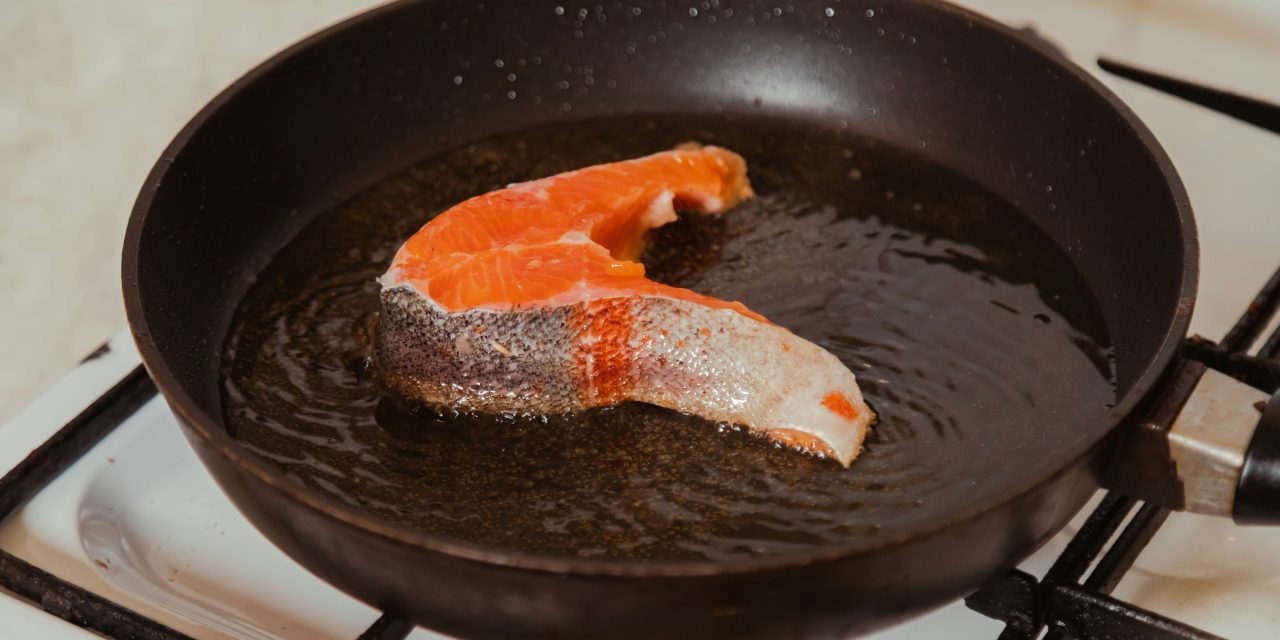
Deglazing is a culinary technique that involves adding liquid to a hot pan to dissolve the browned bits of food that remain after cooking. These remnants, often referred to as “fond,” are packed with concentrated flavors that can elevate a dish from ordinary to extraordinary. The process not only enhances the taste of sauces and gravies but also contributes to the overall depth of flavor in various recipes. By incorporating deglazing into your cooking repertoire, you can create rich, complex sauces that complement meats, vegetables, and starches alike.
The primary purpose of deglazing is to extract these flavorful morsels from the pan, which can then be incorporated into a sauce or served alongside the main dish. This technique is particularly useful when preparing meats, as the fond left behind often contains caramelized sugars and proteins that contribute to umami—a savory taste that enhances the overall dining experience. Understanding the significance of deglazing allows cooks to maximize flavor potential and minimize waste, making it an essential skill in both home and professional kitchens.
Choosing the Right Pan for Deglazing
Selecting the appropriate pan for deglazing is crucial for achieving optimal results. Ideally, a heavy-bottomed skillet or sauté pan made from materials such as stainless steel or cast iron is recommended. These materials conduct heat evenly and retain it well, allowing for effective browning and fond development. Non-stick pans, while convenient for cooking, are not ideal for deglazing since they do not promote the same level of fond formation due to their smooth surfaces.
When choosing a pan, consider its size in relation to the quantity of food being cooked. A larger pan allows for better heat distribution and prevents overcrowding, which can hinder browning. Additionally, ensure that the pan has a sturdy handle for easy maneuvering during the deglazing process. By investing in quality cookware, you can enhance your cooking experience and achieve superior results when deglazing.
Selecting the Best Liquid for Deglazing

The choice of liquid used for deglazing plays a pivotal role in determining the flavor profile of the resulting sauce. Common options include broth, wine, vinegar, or even fruit juices, each imparting distinct characteristics to the dish. For instance, using chicken or beef broth can enhance savory notes, while white wine adds acidity and brightness. Red wine, on the other hand, contributes depth and richness, making it an excellent choice for red meats.
When selecting a liquid, consider the primary ingredients of your dish. For example, if you are preparing a dish with Mediterranean flavors, using a dry white wine or lemon juice may complement the other components beautifully. Conversely, if you are working with hearty meats like lamb or beef, opting for a robust red wine or balsamic vinegar can create a harmonious balance. Ultimately, the liquid you choose should enhance and elevate the flavors of your dish while harmonizing with the fond left in the pan.
Preparing Your Pan After Cooking

Before deglazing, it is essential to prepare your pan properly to ensure a successful outcome. After cooking your protein or vegetables, remove them from the pan and set them aside to rest. This resting period allows juices to redistribute within the meat, resulting in a more tender final product. Once removed, assess the pan for any excess fat or grease; if there is an overwhelming amount, consider draining some off to avoid an overly greasy sauce.
Next, place the pan back on medium heat to warm it slightly before adding your chosen liquid. This step is crucial as it helps loosen the fond from the bottom of the pan more effectively. Scrape any stuck bits gently with a wooden spoon or spatula while heating; this will facilitate the deglazing process and ensure that all flavors are incorporated into your sauce. Proper preparation sets the stage for a successful deglazing experience.
Step-by-Step Guide to Deglazing a Pan
To successfully deglaze a pan, follow these straightforward steps:
1. **Remove Cooked Ingredients**: After cooking your protein or vegetables, transfer them to a plate and allow them to rest.
2. **Assess Fat Content**: Evaluate the amount of fat left in the pan; drain excess fat if necessary.
3. **Heat the Pan**: Return the pan to medium heat and allow it to warm slightly.
4. **Add Liquid**: Pour in your chosen liquid (broth, wine, vinegar) while ensuring it covers the bottom of the pan.
5. **Scrape Fond**: Using a wooden spoon or spatula, gently scrape up any browned bits from the bottom of the pan as the liquid heats.
6. **Reduce Liquid**: Allow the liquid to simmer for several minutes until it reduces slightly and thickens.
7. **Incorporate into Sauce**: Once reduced, you can add additional ingredients such as cream or herbs to create a sauce or serve it as is.
By following these steps meticulously, you can create a flavorful sauce that enhances your dish and showcases your culinary skills.
Tips for Scraping Up Those Flavorful Brown Bits
Scraping up fond effectively requires patience and technique. Here are some tips to ensure you capture every bit of flavor:
– **Use the Right Utensil**: Opt for wooden or silicone utensils when scraping fond; metal utensils can scratch non-stick surfaces or damage your cookware.
– **Adjust Heat as Needed**: If you find that your liquid is evaporating too quickly or not loosening fond effectively, adjust the heat accordingly. A moderate temperature allows for better scraping without burning.
– **Add Liquid Gradually**: Instead of pouring all your liquid at once, consider adding it gradually while scraping. This method helps dissolve fond more effectively and prevents splattering.
– **Be Persistent**: Some bits may require extra attention; don’t hesitate to scrape firmly but gently until all flavorful remnants are incorporated into your sauce.
By employing these techniques, you can maximize flavor extraction from your pan and create delicious sauces that enhance your culinary creations.
Common Mistakes to Avoid When Deglazing
While deglazing is a straightforward process, several common pitfalls can hinder success:
– **Using Cold Liquid**: Adding cold liquid to a hot pan can shock it and prevent proper fond release. Always use room temperature or warm liquids for optimal results.
– **Overcrowding the Pan**: Cooking too much food at once can lead to steaming rather than browning, resulting in minimal fond formation. Cook in batches if necessary.
– **Neglecting to Scrape**: Failing to scrape up fond thoroughly can lead to missed flavor opportunities in your sauce. Take your time during this step.
– **Rushing the Process**: Deglazing requires patience; rushing through can result in an underdeveloped sauce lacking depth of flavor.
By being mindful of these common mistakes, you can ensure that your deglazing efforts yield rich and flavorful results every time.
Enhancing Your Sauce with Herbs and Spices
Once you have successfully deglazed your pan and created a base sauce, consider enhancing its flavor with herbs and spices. Fresh herbs such as thyme, rosemary, or parsley can add brightness and complexity to your sauce. Dried herbs like oregano or basil also work well but should be added earlier in the cooking process to allow their flavors to develop fully.
Spices such as black pepper, paprika, or even chili flakes can introduce warmth and depth to your sauce. For an added layer of flavor, consider incorporating aromatics like garlic or shallots during the initial stages of deglazing before adding your liquid. This technique allows their flavors to meld with the fond and creates a more cohesive sauce.
Experimenting with different combinations of herbs and spices can lead to unique flavor profiles that elevate your dishes beyond expectations.
Using Deglazed Sauces in Different Recipes
Deglazed sauces are versatile components that can be utilized across various recipes. They serve as excellent bases for pasta dishes, providing rich flavors that complement noodles beautifully. Simply toss cooked pasta with your deglazed sauce along with sautéed vegetables or proteins for a quick yet satisfying meal.
Additionally, these sauces work wonderfully as marinades for meats or vegetables before grilling or roasting. The concentrated flavors imparted by deglazing enhance the overall taste profile of grilled dishes significantly. Furthermore, they can be drizzled over roasted vegetables or used as dipping sauces for appetizers like breadsticks or fried foods.
The adaptability of deglazed sauces makes them an invaluable addition to any cook’s repertoire.
Experimenting with Different Liquids for Unique Flavors
One of the most exciting aspects of deglazing is experimenting with various liquids to create unique flavor profiles. Beyond traditional options like broth and wine, consider using unconventional liquids such as beer or cider for an unexpected twist on classic sauces. These beverages can impart distinct flavors that complement specific dishes beautifully.
For instance, using stout beer when deglazing after cooking beef can create a rich sauce with deep caramel notes that pair perfectly with hearty meats. Alternatively, apple cider vinegar can add brightness and acidity when working with pork dishes.
Don’t hesitate to explore fruit juices like orange or pomegranate juice for sweet-tart sauces that enhance poultry dishes beautifully. The possibilities are endless when it comes to selecting liquids for deglazing—allowing creativity in flavor development while enhancing culinary experiences.
Storing and Reheating Deglazed Sauces for Maximum Taste
Proper storage techniques are essential for preserving the quality of your deglazed sauces. Allow any leftover sauce to cool completely before transferring it into an airtight container; this prevents condensation from forming inside and diluting flavors over time. Store in the refrigerator for up to three days or freeze for longer-term storage—up to three months is ideal.
When reheating deglazed sauces, do so gently over low heat on the stovetop; this helps maintain flavor integrity without causing separation or burning. If frozen, thaw overnight in the refrigerator before reheating for best results.
To enhance flavors further during reheating, consider adding fresh herbs or spices just before serving; this revitalizes taste profiles and ensures maximum enjoyment when enjoying your culinary creations later on.
In summary, mastering deglazing is an invaluable skill that enhances culinary creations by extracting rich flavors from fond left in pans after cooking proteins or vegetables. By choosing appropriate cookware and liquids while employing effective techniques during preparation and execution—cooks can elevate their dishes significantly through this simple yet impactful method!
FAQs
What does it mean to deglaze a pan?
Deglazing a pan involves adding liquid to a hot pan that has food residue stuck to the bottom, typically after sautéing or searing. This process helps to dissolve the browned bits, known as fond, which are packed with flavor, allowing them to be incorporated into a sauce or dish.
What types of liquids can be used for deglazing?
Common liquids used for deglazing include broth, wine, vinegar, or even water. The choice of liquid can influence the flavor of the sauce, so it’s often best to use something that complements the dish being prepared.
How do you properly deglaze a pan?
To deglaze a pan, first remove the cooked food and reduce the heat to medium. Add your chosen liquid to the hot pan, scraping the bottom with a wooden spoon or spatula to loosen the browned bits. Allow the liquid to simmer and reduce, concentrating the flavors before using it in your sauce.
Can you deglaze a non-stick pan?
Yes, you can deglaze a non-stick pan, but it’s important to use a gentle touch to avoid scratching the surface. Use a wooden or silicone spatula to scrape the fond, and be cautious with acidic liquids, as they can sometimes damage the non-stick coating if used excessively.
What are some tips for enhancing the flavor when deglazing?
To enhance flavor when deglazing, consider adding aromatics like garlic or shallots to the pan before the liquid, or incorporating herbs and spices. Additionally, using a flavorful liquid, such as a good-quality wine or homemade broth, can significantly elevate the taste of the resulting sauce.