Batch cooking is a culinary strategy that involves preparing large quantities of food at once, which can then be portioned out and consumed over several days or weeks. This method not only saves time but also promotes healthier eating habits by reducing the temptation to opt for fast food or unhealthy snacks when hunger strikes. The concept is rooted in efficiency; by dedicating a specific time to cook, individuals can streamline their meal preparation process, ensuring that nutritious options are readily available.
The effectiveness of batch cooking lies in its ability to simplify meal planning and reduce food waste. By preparing meals in advance, individuals can better manage their dietary intake, control portion sizes, and minimize the likelihood of impulsive eating. Furthermore, batch cooking can lead to significant cost savings, as purchasing ingredients in bulk often results in lower prices. This approach not only fosters a healthier lifestyle but also cultivates a sense of accomplishment and satisfaction in the kitchen.
Planning Your Weekly Menu: Tips for Balanced Meals
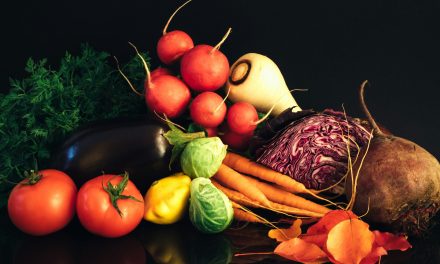
Creating a weekly menu is a crucial step in the batch cooking process. A well-structured plan ensures that meals are balanced, incorporating a variety of food groups to meet nutritional needs. Begin by assessing dietary requirements, considering factors such as caloric intake, macronutrient distribution, and any specific dietary restrictions. Aim for a colorful plate that includes lean proteins, whole grains, healthy fats, and an abundance of fruits and vegetables.
When planning meals, consider the principles of meal diversity and rotation. For instance, if Monday features a quinoa salad with grilled chicken, opt for a lentil stew on Tuesday and a vegetable stir-fry on Wednesday. This variety not only keeps meals interesting but also ensures that different vitamins and minerals are consumed throughout the week. Additionally, consider batch cooking versatile ingredients like roasted vegetables or grains that can be repurposed in multiple dishes.
Essential Kitchen Tools for Efficient Batch Cooking

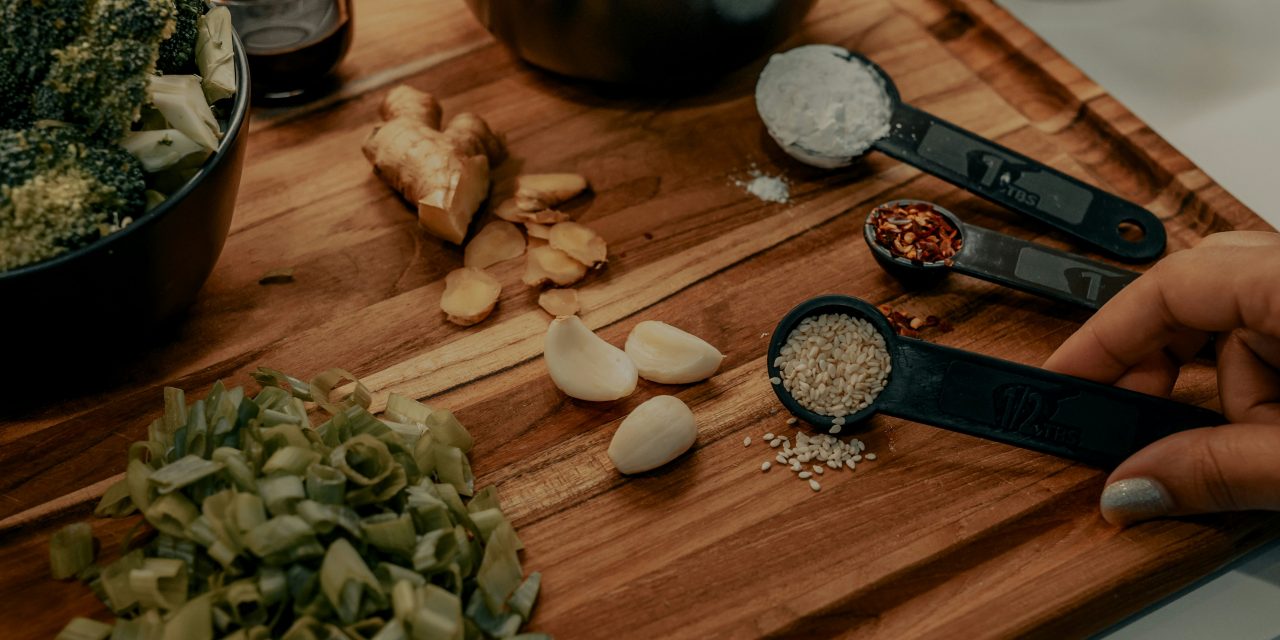
To maximize efficiency during batch cooking sessions, having the right kitchen tools is essential. A high-quality chef’s knife is indispensable for chopping vegetables and proteins with precision. A sturdy cutting board provides a safe surface for food preparation. Investing in a set of measuring cups and spoons ensures accurate ingredient quantities, which is particularly important for baking or complex recipes.
Moreover, large pots and pans are necessary for cooking substantial quantities of food simultaneously. Slow cookers or pressure cookers can also be beneficial for preparing stews or soups with minimal effort. Food storage containers are vital for preserving cooked meals; opt for BPA-free plastic or glass containers with airtight lids to maintain freshness. Labeling supplies such as masking tape and permanent markers will help keep track of meal dates and contents.
Choosing Recipes That Store Well and Reheat Easily

Selecting recipes that lend themselves well to batch cooking is key to success. Dishes that freeze and reheat effectively include soups, stews, casseroles, and grain-based salads. For example, chili made with beans and lean ground meat can be prepared in large quantities and stored in individual portions for easy reheating. Similarly, vegetable lasagna can be assembled ahead of time and frozen until needed.
When choosing recipes, consider the texture and flavor profiles of ingredients after freezing. Some vegetables may become mushy upon thawing, while others retain their integrity. Opt for hearty vegetables like carrots, bell peppers, and zucchini that hold up well during the freezing process. Additionally, recipes that incorporate spices and herbs tend to develop deeper flavors after sitting for a day or two, enhancing the overall dining experience.
Grocery Shopping Strategies for Batch Cooking Success
Effective grocery shopping is integral to successful batch cooking. Begin by creating a comprehensive shopping list based on your weekly menu. Organize the list by category—produce, proteins, grains, and pantry staples—to streamline the shopping experience and minimize time spent in-store. Consider visiting local farmers’ markets or bulk food stores to find fresh ingredients at competitive prices.
When purchasing ingredients, prioritize seasonal produce for optimal flavor and nutrition. Buying in bulk can also lead to significant savings; however, ensure that perishable items will be used within their shelf life to avoid waste. Additionally, consider investing in reusable produce bags to reduce plastic consumption while shopping. By adopting these strategies, you can enhance your batch cooking experience while being mindful of both budget and sustainability.
Prepping Ingredients: Time-Saving Techniques
Ingredient preparation is a vital component of batch cooking that can significantly reduce overall cooking time. Start by washing and chopping vegetables in advance; storing them in airtight containers will keep them fresh throughout the week. Consider blanching vegetables like broccoli or green beans before freezing them; this process preserves color and nutrients while enhancing texture.
Another time-saving technique involves marinating proteins ahead of time. For instance, chicken breasts can be marinated overnight in a mixture of olive oil, lemon juice, garlic, and herbs before being grilled or baked. This not only infuses flavor but also tenderizes the meat. Additionally, pre-cooked grains such as brown rice or quinoa can be prepared in bulk and stored for quick assembly during meal prep.
Cooking in Bulk: Step-by-Step Guide to Batch Cooking
Embarking on a batch cooking session requires organization and a systematic approach. Begin by gathering all necessary ingredients and tools before starting the cooking process. Preheat ovens or stovetops as needed to ensure efficient cooking times. Start with dishes that require longer cooking times—such as soups or stews—before moving on to quicker recipes like stir-fries or salads.
As you cook, utilize multiple burners or ovens simultaneously to maximize efficiency. For example, while a pot of chili simmers on the stove, roast vegetables in the oven or sauté grains in a separate pan. Once all dishes are prepared, allow them to cool before portioning into storage containers. Label each container with the dish name and date before placing them in the refrigerator or freezer.
Proper Storage: Containers, Freezing, and Labeling Tips
Proper storage is essential for maintaining the quality of batch-cooked meals. Invest in high-quality containers that are microwave-safe and freezer-friendly to ensure versatility during reheating. Glass containers are particularly advantageous as they do not retain odors or stains from previous meals.
When freezing meals, allow them to cool completely before sealing them in containers to prevent condensation from forming inside the lid. Label each container with the name of the dish and the date it was prepared; this practice helps track freshness and prevents confusion when selecting meals later on. For optimal quality, consume frozen meals within three months.
Reheating and Serving: Keeping Meals Fresh and Tasty
Reheating meals properly is crucial for preserving flavor and texture. When reheating soups or stews, use a stovetop pot to gently warm them over low heat; this method allows for even heating without compromising taste. For casseroles or baked dishes, consider using an oven to maintain crispness on top while ensuring thorough heating throughout.
Microwave reheating is convenient but should be approached with caution to avoid uneven heating or overcooking. Stirring halfway through the reheating process can help distribute heat evenly. Additionally, adding a splash of water or broth before microwaving can prevent dryness in dishes like rice or pasta.
Troubleshooting Common Batch Cooking Challenges
Batch cooking may present challenges that require creative solutions. One common issue is food spoilage due to improper storage or inadequate cooling before sealing containers. To mitigate this risk, ensure that cooked meals are cooled at room temperature for no more than two hours before refrigeration or freezing.
Another challenge is maintaining flavor integrity after freezing; some dishes may lose their appeal upon reheating. To combat this issue, consider adding fresh herbs or spices just before serving to enhance flavor profiles. Additionally, if certain ingredients do not freeze well—such as dairy products—consider adding them fresh during reheating instead.
Maintaining Variety and Nutrition Throughout the Week
To prevent monotony during the week, it’s essential to incorporate variety into your batch-cooked meals while ensuring nutritional balance. Rotate different proteins throughout the week—such as chicken, fish, beans, or tofu—to diversify flavors and textures. Experiment with various cuisines by incorporating spices from different cultures; this approach not only enhances taste but also introduces new nutrients.
Incorporating seasonal fruits into snacks or desserts can also provide variety while boosting vitamin intake. For instance, fresh berries can be added to yogurt or oatmeal for breakfast while sliced apples serve as a nutritious snack option throughout the day. By maintaining diversity in both flavors and nutrients, individuals can enjoy satisfying meals without sacrificing health.
In summary, batch cooking is an efficient method that promotes healthier eating habits while saving time and money in meal preparation. By planning balanced menus, utilizing essential kitchen tools, selecting appropriate recipes, employing effective grocery shopping strategies, prepping ingredients efficiently, following systematic cooking steps, ensuring proper storage techniques, reheating thoughtfully, troubleshooting challenges creatively, and maintaining variety throughout the week—individuals can successfully embrace this culinary approach for long-term benefits.
FAQs
What is batch cooking?
Batch cooking is a meal preparation technique where you cook large quantities of food at once, allowing you to portion and store meals for later use throughout the week. This method saves time, reduces food waste, and can help with meal planning and maintaining a healthy diet.
What are the benefits of batch cooking?
Batch cooking offers several benefits, including saving time during busy weekdays, reducing the stress of daily meal preparation, minimizing food waste by using ingredients efficiently, and promoting healthier eating habits by allowing you to control ingredients and portion sizes.
How do I get started with batch cooking?
To start batch cooking, plan your meals for the week, create a shopping list, and choose recipes that can be easily scaled up. Set aside a specific day for cooking, prepare your ingredients, and cook multiple dishes simultaneously. Once cooked, portion the meals into containers for easy storage and reheating.
What types of meals are best for batch cooking?
Meals that freeze well or can be easily reheated are ideal for batch cooking. Examples include soups, stews, casseroles, grains, and roasted vegetables. Additionally, proteins like chicken, beef, or legumes can be cooked in bulk and used in various dishes throughout the week.
How should I store batch-cooked meals?
Batch-cooked meals should be stored in airtight containers to maintain freshness. Refrigerate meals that will be consumed within a few days and freeze those intended for longer storage. Label containers with the date and contents to keep track of what you have on hand.