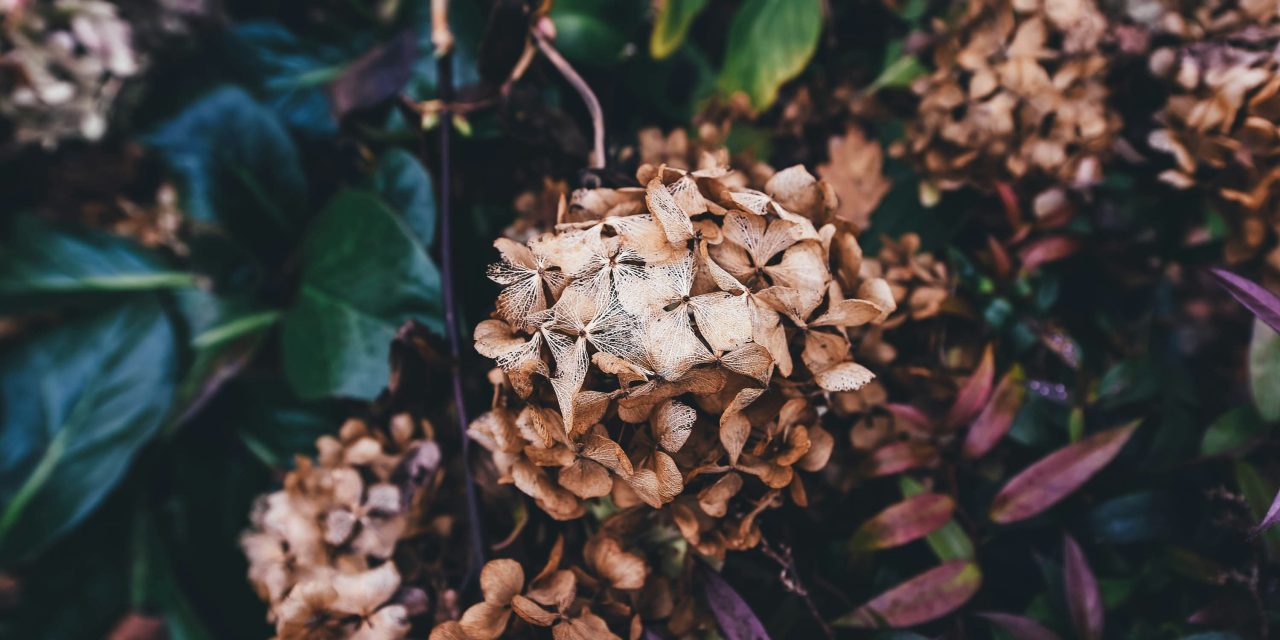
Hydrangeas are cherished for their lush foliage and vibrant blooms, making them a popular choice in gardens and landscapes. However, one of the most common issues faced by hydrangea enthusiasts is leaf browning. This phenomenon can manifest as a gradual yellowing followed by browning at the edges or tips of the leaves, ultimately leading to a decline in the plant’s overall health. Understanding the underlying causes of this condition is crucial for effective management and restoration of these beautiful plants.
Leaf browning in hydrangeas can be attributed to a myriad of factors, ranging from environmental stressors to biological threats. Each cause presents unique symptoms and requires tailored interventions. By identifying the specific reason behind the browning, gardeners can implement appropriate treatments and preventative measures to ensure their hydrangeas thrive. This article delves into the various causes of hydrangea leaf browning, offering insights into diagnosis, treatment options, and preventative strategies.
Cause 1: Insufficient Watering and Dehydration
One of the primary culprits behind hydrangea leaf browning is insufficient watering, leading to dehydration. Hydrangeas are known for their high water requirements, particularly during the growing season. When these plants do not receive adequate moisture, they exhibit signs of stress, including wilting leaves and browning edges. Dehydration can occur due to prolonged periods of drought or inadequate irrigation practices.
To prevent dehydration, it is essential to establish a consistent watering schedule. Hydrangeas typically require about 1 to 2 inches of water per week, depending on environmental conditions. A thorough soaking of the soil is preferable to frequent light watering, as this encourages deep root growth and enhances drought resistance. Additionally, mulching around the base of the plant can help retain soil moisture and regulate temperature fluctuations.
Cause 2: Overwatering and Root Rot Issues

Conversely, overwatering can also lead to leaf browning in hydrangeas, primarily due to root rot. Excessive moisture in the soil creates an anaerobic environment that fosters the growth of harmful pathogens, such as Pythium and Phytophthora species. These fungi attack the root system, impairing nutrient uptake and leading to symptoms such as yellowing leaves and eventual browning.
To mitigate the risk of overwatering, it is crucial to assess soil drainage and ensure that pots or garden beds have adequate drainage holes. Implementing a well-draining soil mix can also help prevent waterlogging. Gardeners should monitor their plants closely, allowing the top inch of soil to dry out before re-watering. If root rot is suspected, it may be necessary to remove affected roots and repot the plant in fresh soil.
Cause 3: Nutrient Deficiencies Affecting Leaf Health

Nutrient deficiencies can significantly impact the health of hydrangea leaves, leading to browning and other distress signals. Essential nutrients such as nitrogen, potassium, and magnesium play vital roles in plant growth and development. A lack of these nutrients can result in chlorosis (yellowing) followed by browning as the plant struggles to maintain its physiological functions.
To address nutrient deficiencies, conducting a soil test is advisable to determine specific nutrient levels and pH balance. Based on the results, gardeners can amend their soil with appropriate fertilizers or organic matter. For instance, a balanced fertilizer with an N-P-K ratio (nitrogen-phosphorus-potassium) of 10-10-10 can provide essential nutrients for overall plant health. Additionally, incorporating compost or well-rotted manure can enhance soil fertility over time.
Cause 4: Sunburn from Excessive Direct Sunlight
Hydrangeas thrive in partial shade to full sun conditions; however, excessive direct sunlight can lead to sunburned leaves. Symptoms include crispy brown edges or patches on leaves that are exposed to intense sunlight for prolonged periods. This condition is particularly prevalent in varieties that prefer cooler climates or those newly planted in full sun locations.
To prevent sunburn, it is essential to select appropriate planting sites that provide adequate shade during the hottest parts of the day. If sunburn occurs, providing temporary shade using garden fabric or strategically placing taller plants nearby can help mitigate damage. Additionally, ensuring proper hydration during hot weather can bolster the plant’s resilience against sun exposure.
Cause 5: Pest Infestations Damaging the Leaves
Pest infestations pose another significant threat to hydrangea health, often resulting in leaf browning. Common pests such as aphids, spider mites, and scale insects feed on plant sap, leading to weakened foliage and potential disease transmission. Infested leaves may exhibit stippling, curling, or browning as a direct consequence of pest activity.
Regular monitoring for pests is crucial for early detection and management. Insecticidal soaps or neem oil can be effective treatments for controlling infestations without harming beneficial insects. Additionally, introducing natural predators like ladybugs can help maintain pest populations at manageable levels.
Cause 6: Fungal and Bacterial Diseases
Fungal and bacterial diseases are notorious for causing leaf browning in hydrangeas. Conditions such as powdery mildew, leaf spot diseases, and bacterial blight can lead to significant foliage damage if left untreated. Symptoms may include brown spots on leaves, wilting, or premature leaf drop.
To combat these diseases, maintaining proper air circulation around plants is essential. Pruning overcrowded branches can help reduce humidity levels that favor fungal growth. Fungicides may be necessary for severe infections; however, it is crucial to follow application guidelines carefully to avoid phytotoxicity.
Cause 7: Environmental Stress and Temperature Extremes
Environmental stressors such as extreme temperatures can also contribute to hydrangea leaf browning. Sudden temperature fluctuations or prolonged exposure to frost can shock plants, leading to browning leaves as they struggle to adapt. Similarly, high temperatures combined with low humidity can exacerbate water loss through transpiration.
To minimize environmental stress, gardeners should consider planting hydrangeas in locations that provide some protection from harsh weather conditions. Utilizing mulch can help regulate soil temperature and moisture levels during extreme weather events. Additionally, providing windbreaks or shade structures can further shield plants from adverse environmental factors.
How to Diagnose the Specific Cause of Browning Leaves
Diagnosing the specific cause of browning leaves in hydrangeas requires careful observation and analysis of symptoms. Gardeners should examine leaf color changes, texture alterations, and overall plant vigor. Noting environmental conditions such as recent weather patterns or watering practices can also provide valuable insights into potential causes.
Conducting a thorough inspection for pests or signs of disease is essential for accurate diagnosis. Soil testing may be necessary to assess nutrient levels and pH balance if deficiencies are suspected. By systematically evaluating these factors, gardeners can pinpoint the underlying issue contributing to leaf browning.
Effective Treatments and Care Tips to Restore Hydrangea Health
Once the cause of leaf browning has been identified, implementing effective treatments is crucial for restoring hydrangea health. For dehydration issues, establishing a consistent watering routine while ensuring proper drainage will promote recovery. In cases of overwatering or root rot, repotting with fresh soil may be necessary after removing affected roots.
Addressing nutrient deficiencies involves applying appropriate fertilizers based on soil test results while ensuring balanced nutrient availability. For pest infestations or diseases, utilizing organic treatments such as insecticidal soap or fungicides can help manage outbreaks effectively.
Regular maintenance practices such as pruning dead or damaged foliage will also enhance overall plant health by improving air circulation and reducing disease risk.
Preventative Measures to Keep Hydrangea Leaves Green and Vibrant
Preventative measures play a vital role in maintaining healthy hydrangea foliage and preventing browning issues from arising in the first place. Establishing a consistent watering schedule tailored to environmental conditions will help ensure adequate moisture levels without risking overwatering.
Incorporating organic matter into the soil will enhance nutrient availability while improving drainage capabilities. Regularly monitoring for pests and diseases will facilitate early intervention before significant damage occurs.
Additionally, selecting appropriate planting locations that provide adequate shade during peak sunlight hours will protect against sunburn while minimizing environmental stressors associated with temperature extremes.
In summary, understanding the various causes of hydrangea leaf browning is essential for effective management and restoration of these beloved plants. By implementing appropriate treatments based on accurate diagnoses while adopting preventative measures tailored to specific needs will ensure vibrant foliage throughout the growing season. With diligent care and attention, gardeners can enjoy flourishing hydrangeas that enhance their landscapes with beauty and resilience.
FAQs
What causes hydrangea leaves to turn brown?
Hydrangea leaves can turn brown due to several factors, including environmental stress, such as drought or excessive heat, nutrient deficiencies, or diseases like leaf spot. Additionally, overwatering or poor drainage can lead to root rot, which may also cause browning of the leaves.
Can pests contribute to the browning of hydrangea leaves?
Yes, pests such as aphids, spider mites, and scale insects can damage hydrangea leaves, leading to browning. These pests feed on the plant’s sap, weakening it and causing the leaves to discolor and eventually die.
How can I prevent my hydrangea leaves from turning brown?
To prevent browning leaves, ensure your hydrangeas receive adequate water, especially during dry spells. Mulching can help retain moisture and regulate soil temperature. Additionally, regularly check for pests and diseases, and provide balanced fertilizers to maintain nutrient levels.
Is it normal for hydrangea leaves to turn brown in the fall?
Yes, it is normal for hydrangea leaves to turn brown and fall off in the fall as part of their natural life cycle. This process is a response to cooler temperatures and shorter daylight hours, signaling the plant to prepare for dormancy.
When should I be concerned about browning hydrangea leaves?
You should be concerned if browning leaves are accompanied by other symptoms such as wilting, stunted growth, or visible pests. If the browning is widespread and affects multiple leaves or plants, it may indicate a serious issue that requires immediate attention, such as disease or severe environmental stress.