In the modern era, where urban living often restricts access to natural sunlight, the incorporation of indoor plants into low light environments has gained significant traction. These verdant companions not only enhance aesthetic appeal but also contribute to improved air quality and psychological well-being. The choice of plants that thrive in low light conditions is crucial for individuals seeking to cultivate a green sanctuary within their homes or workplaces. By selecting the right species, one can create a vibrant atmosphere that promotes relaxation and productivity, even in dimly lit spaces.
Indoor plants serve as a natural remedy for the often sterile and monotonous ambiance of low light rooms. They introduce a sense of life and vitality, transforming otherwise dull corners into lush retreats. Furthermore, many low light plants are remarkably resilient, requiring minimal maintenance while still providing substantial visual impact. This article will explore various indoor plants that flourish in low light conditions, offering insights into their unique characteristics, care requirements, and the myriad benefits they bring to indoor environments.
Benefits of Indoor Plants in Low Light Environments
The advantages of incorporating indoor plants into low light settings extend beyond mere aesthetics. Research has demonstrated that plants can significantly enhance indoor air quality by absorbing toxins and releasing oxygen through the process of photosynthesis. This natural filtration system can lead to a healthier living environment, reducing the risk of respiratory issues and promoting overall well-being.
Moreover, the presence of greenery has been linked to improved mental health outcomes. Studies indicate that indoor plants can reduce stress levels, enhance mood, and increase productivity. The calming effect of nature can be particularly beneficial in low light environments, where artificial lighting may contribute to feelings of fatigue or lethargy. By introducing plants into these spaces, individuals can create a more inviting atmosphere that fosters relaxation and creativity.
How to Identify Low Light Conditions in Your Home

Identifying low light conditions within your home is essential for selecting appropriate indoor plants. Low light environments are typically characterized by limited natural sunlight, often found in spaces with small windows or those facing north. To assess the light levels in your rooms, consider the following factors:
1. **Natural Light Exposure**: Observe how much sunlight enters the room throughout the day. If you find that the space remains dim even during peak daylight hours, it is likely a low light environment.
2. **Artificial Lighting**: Evaluate the type and intensity of artificial lighting present. Fluorescent lights may provide some illumination but often lack the spectrum needed for plant growth.
3. **Plant Growth Patterns**: If you have existing plants in the area, take note of their growth patterns. Stunted growth or leggy stems may indicate insufficient light levels.
By understanding these factors, you can make informed decisions about which indoor plants will thrive in your specific low light conditions.
Snake Plant (Sansevieria): The Hardy Low Light Survivor

The Snake Plant, scientifically known as Sansevieria, is renowned for its remarkable adaptability to low light environments. With its striking upright leaves that can reach heights of up to 4 feet, this plant adds a sculptural element to any room. Its ability to tolerate neglect makes it an ideal choice for busy individuals or those new to plant care.
One of the most appealing aspects of the Snake Plant is its air-purifying capabilities. It effectively removes toxins such as formaldehyde and benzene from the air, contributing to a healthier indoor atmosphere. Additionally, this hardy plant requires minimal watering—allowing the soil to dry out completely between waterings is essential to prevent root rot.
ZZ Plant (Zamioculcas zamiifolia): Glossy Leaves and Easy Care
The ZZ Plant, or Zamioculcas zamiifolia, is another excellent option for low light spaces. Its glossy, dark green leaves create a striking contrast against lighter backgrounds, making it a popular choice for interior design enthusiasts. This plant thrives on neglect; it can survive in low light conditions and requires infrequent watering due to its drought-resistant nature.
The ZZ Plant’s resilience is attributed to its rhizomatous roots, which store water and nutrients. This adaptation allows it to endure periods of drought without suffering damage. Furthermore, it is known for its ability to improve indoor air quality by filtering out harmful pollutants, making it an ideal companion for offices or bedrooms.
Pothos (Epipremnum aureum): Versatile and Vibrant
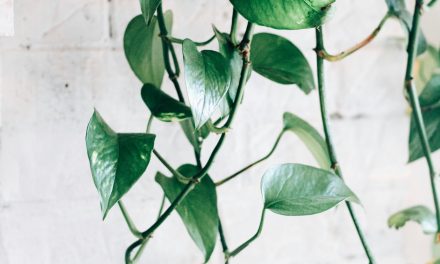
Pothos, scientifically referred to as Epipremnum aureum, is celebrated for its versatility and vibrant foliage. This trailing vine can thrive in various lighting conditions, including low light environments, making it an excellent choice for hanging baskets or shelves. Its heart-shaped leaves come in a variety of colors and patterns, adding visual interest to any space.
One of the key benefits of Pothos is its air-purifying properties; it effectively removes indoor pollutants such as formaldehyde and xylene from the air. Additionally, this plant is incredibly easy to propagate—simply cut a stem with a few leaves and place it in water until roots develop. This feature allows plant enthusiasts to expand their collection effortlessly.
Peace Lily (Spathiphyllum): Elegant Blooms in Dim Spaces
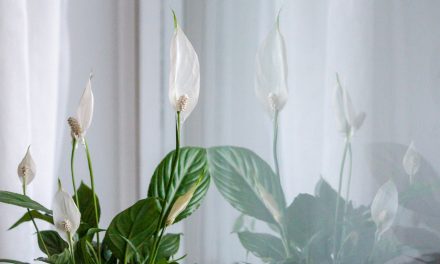
The Peace Lily (Spathiphyllum) is renowned for its elegant white blooms that contrast beautifully with its dark green foliage. This plant thrives in low light conditions and can even tolerate fluorescent lighting, making it suitable for offices or dimly lit rooms. The Peace Lily not only adds beauty but also serves as an effective air purifier by removing toxins such as ammonia and benzene from the air.
Caring for a Peace Lily involves maintaining consistent moisture levels in the soil while avoiding overwatering. The plant will exhibit drooping leaves when it requires water, providing a clear indication of its needs. With proper care, Peace Lilies can bloom multiple times throughout the year, offering stunning floral displays even in low light environments.
Cast Iron Plant (Aspidistra elatior): Tough and Tolerant
The Cast Iron Plant (Aspidistra elatior) lives up to its name by being one of the toughest houseplants available. It thrives in low light conditions and can withstand neglect, making it an ideal choice for those who may not have a green thumb. Its broad, dark green leaves create a lush appearance that enhances any indoor space.
This resilient plant is also known for its ability to tolerate temperature fluctuations and varying humidity levels. It requires minimal care—simply water when the top inch of soil feels dry. The Cast Iron Plant’s durability makes it an excellent option for busy households or offices where consistent care may be challenging.
Chinese Evergreen (Aglaonema): Colorful Patterns for Shaded Areas
Chinese Evergreen (Aglaonema) is celebrated for its stunning foliage that features vibrant patterns and colors ranging from deep greens to striking reds and silvers. This plant thrives in low light conditions and is known for its ability to adapt to various environments, making it a popular choice among indoor gardeners.
In addition to its aesthetic appeal, Chinese Evergreen is also recognized for its air-purifying properties. It effectively filters out harmful toxins from the air while requiring minimal maintenance—water only when the soil feels dry to the touch. With proper care, this plant can thrive for many years, providing continuous beauty in shaded areas.
Dracaena: Stylish and Resilient
Dracaena is a diverse genus that encompasses several species suitable for low light environments. Known for their striking foliage and architectural forms, Dracaenas add a touch of elegance to any space. They are particularly valued for their ability to thrive in indirect sunlight while requiring minimal care.
One notable species is Dracaena marginata, which features slender stems topped with spiky leaves that create a dramatic effect in any room. These plants are also effective at removing indoor pollutants such as formaldehyde and trichloroethylene from the air. Regular watering is essential; however, it’s crucial to allow the soil to dry out between waterings to prevent root rot.
Philodendron: Lush Foliage for Low Light Corners
Philodendrons are beloved houseplants known for their lush foliage and adaptability to various lighting conditions, including low light environments. With numerous species available, these plants offer a range of leaf shapes and sizes that can complement any interior design style.
One popular variety is the Heartleaf Philodendron (Philodendron hederaceum), characterized by its heart-shaped leaves that trail gracefully from hanging baskets or shelves. Philodendrons are relatively easy to care for; they thrive in well-draining soil and prefer moderate watering—allowing the top inch of soil to dry out between waterings ensures optimal growth.
Parlor Palm (Chamaedorea elegans): Compact and Graceful
The Parlor Palm (Chamaedorea elegans) is an elegant choice for low light spaces due to its compact size and graceful fronds. This slow-growing palm thrives in indirect sunlight and can adapt well to lower light conditions, making it suitable for apartments or offices with limited natural light.
Caring for a Parlor Palm involves maintaining consistent moisture levels without overwatering—allowing the top layer of soil to dry out between waterings is essential for preventing root rot. This palm not only enhances indoor aesthetics but also contributes to improved air quality by filtering out harmful pollutants.
Spider Plant (Chlorophytum comosum): Air-Purifying and Adaptable
The Spider Plant (Chlorophytum comosum) is renowned for its adaptability and air-purifying qualities. This resilient plant thrives in various lighting conditions, including low light environments, making it an excellent choice for beginners or those with busy lifestyles.
Spider Plants produce arching green leaves adorned with white stripes that create a visually appealing display. They are also known for their ability to produce “pups,” or baby plants, which can be easily propagated by placing them in soil or water until roots develop. Regular watering is essential; however, it’s important not to let the soil become overly saturated.
Tips for Caring for Indoor Plants in Low Light Rooms
Caring for indoor plants in low light rooms requires specific strategies to ensure their health and vitality:
1. **Choose Appropriate Plants**: Select species known for their tolerance to low light conditions; this will increase your chances of success.
2. **Monitor Watering**: Overwatering is a common mistake; allow the top inch of soil to dry out before watering again.
3. **Rotate Plants**: Periodically rotate your plants to ensure even growth on all sides; this helps prevent leggy growth towards the light source.
4. **Dust Leaves**: Regularly dusting leaves helps improve photosynthesis by allowing more light absorption.
5. **Supplemental Lighting**: Consider using grow lights if natural light is extremely limited; this can provide essential wavelengths needed for photosynthesis.
6. **Fertilize Sparingly**: Use a diluted liquid fertilizer during the growing season (spring and summer) but avoid over-fertilizing as this can lead to nutrient burn.
Transform Your Space with These Low Light Indoor Plants
Incorporating indoor plants into low light environments offers numerous benefits ranging from enhanced aesthetics to improved air quality and mental well-being. By selecting resilient species such as Snake Plants, ZZ Plants, Pothos, Peace Lilies, Cast Iron Plants, Chinese Evergreens, Dracaenas, Philodendrons, Parlor Palms, and Spider Plants, individuals can create vibrant green spaces even in dimly lit areas.
With proper care techniques tailored specifically for low light conditions—such as monitoring watering practices and choosing appropriate species—anyone can successfully cultivate a thriving indoor garden that transforms their living or working environment into a serene oasis filled with life and beauty.
FAQs
What are the best indoor plants for low light rooms?
Some of the best indoor plants for low light rooms include the Snake Plant, ZZ Plant, Pothos, Peace Lily, and Spider Plant. These plants are known for their ability to thrive in low light conditions while also improving indoor air quality.
How often should I water low light indoor plants?
Low light indoor plants typically require less frequent watering compared to those in brighter conditions. It’s generally recommended to water them every 1-2 weeks, allowing the soil to dry out slightly between waterings to prevent root rot.
Can low light plants survive in complete darkness?
No, low light plants cannot survive in complete darkness. While they can tolerate low light conditions, they still need some indirect light to perform photosynthesis and maintain their health.
Do low light indoor plants need special soil?
Low light indoor plants do not necessarily require special soil, but a well-draining potting mix is recommended. This helps prevent waterlogging and promotes healthy root growth. A mix designed for houseplants or a combination of potting soil and perlite works well.
How can I improve light conditions for my low light plants?
You can improve light conditions for your low light plants by placing them near windows with filtered light, using grow lights, or rotating them occasionally to ensure they receive even light exposure. Additionally, keeping them clean and dust-free can help maximize light absorption.