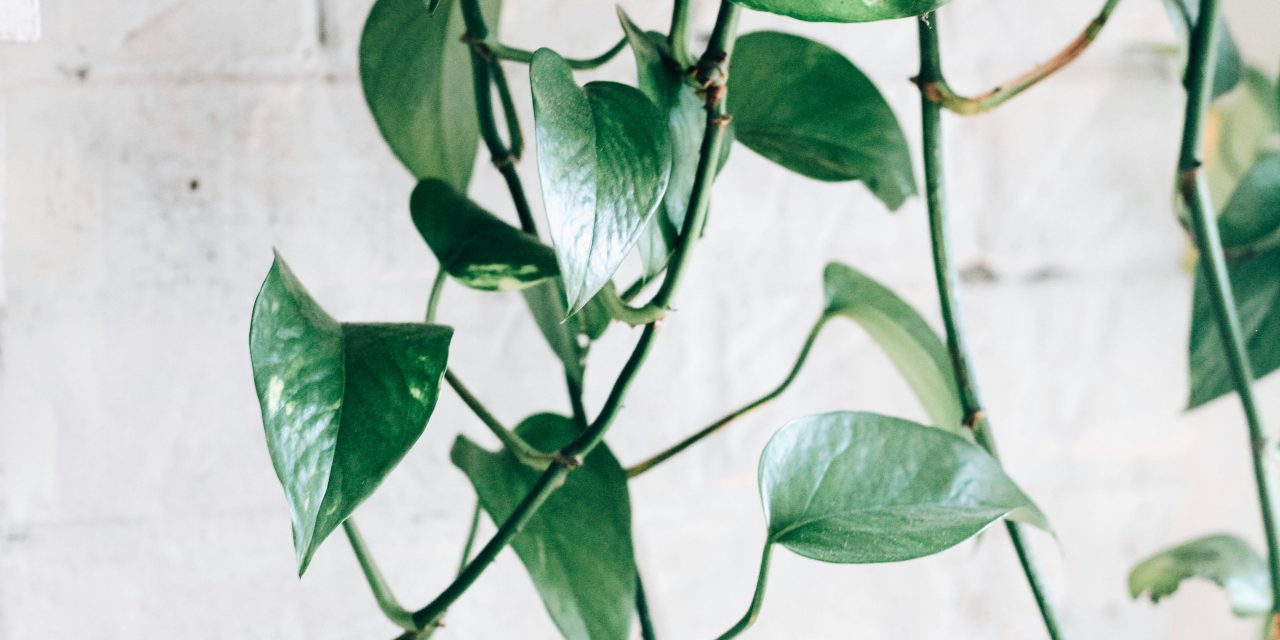
The Pothos plant, scientifically known as Epipremnum aureum, is a popular houseplant renowned for its resilience and adaptability. This evergreen vine is characterized by its heart-shaped leaves, which can vary in color from deep green to variegated patterns of yellow and white. Understanding the health of your Pothos is crucial for maintaining its vibrant appearance and ensuring its longevity. Healthy Pothos plants can grow in a variety of conditions, making them ideal for both novice and experienced gardeners. However, they are not immune to health issues that can manifest as yellowing leaves, stunted growth, or wilting.
To maintain optimal health, it is essential to recognize the signs of distress in your Pothos. Regular monitoring of environmental factors such as light, water, and soil conditions can help prevent common problems. By understanding the basic needs of your Pothos plant, you can create an environment that promotes lush growth and vibrant foliage. This article will delve into the various factors affecting Pothos health, providing insights into prevention and treatment options for common issues.
Overwatering: The Leading Cause of Yellow Leaves
Overwatering is one of the most prevalent issues faced by Pothos owners, often leading to yellowing leaves and root rot. When the soil remains excessively moist, it deprives the roots of oxygen, causing them to suffocate and decay. Symptoms of overwatering include yellow leaves that may appear soft or mushy, along with a foul odor emanating from the soil. In severe cases, the plant may exhibit wilting despite wet soil conditions.
To combat overwatering, it is crucial to establish a proper watering schedule based on the plant’s needs and environmental conditions. A general rule of thumb is to allow the top inch of soil to dry out before watering again. Additionally, using pots with drainage holes can help prevent excess moisture accumulation. If overwatering has already occurred, consider repotting the plant in fresh, dry soil to encourage recovery.
Underwatering: Signs and Solutions

Conversely, underwatering can also lead to yellow leaves in Pothos plants. When deprived of adequate moisture, the leaves may become crispy and dry, eventually turning yellow before falling off. Signs of underwatering include wilting leaves that lack turgor pressure and a dry soil surface that may crack.
To remedy underwatering, it is essential to establish a consistent watering routine. Monitor the moisture level of the soil regularly and adjust your watering frequency accordingly. A thorough soaking method can be beneficial; ensure that water drains from the bottom of the pot to encourage deep root hydration. Additionally, consider using a moisture meter to accurately gauge soil moisture levels and prevent future occurrences.
Insufficient Light and Its Impact on Leaf Color

Light plays a pivotal role in the overall health of Pothos plants. Insufficient light can lead to elongated stems and pale yellow leaves as the plant stretches toward available light sources. While Pothos can tolerate low-light conditions, they thrive best in bright, indirect sunlight. Prolonged exposure to inadequate lighting can hinder photosynthesis, ultimately affecting leaf color and growth.
To enhance light exposure for your Pothos, consider relocating it to a brighter area or supplementing natural light with artificial grow lights. If your plant exhibits signs of stretching or pale foliage, it may be time to reassess its lighting conditions. Regularly rotating the plant can also ensure even light distribution across all leaves.
Nutrient Deficiencies: What Your Pothos Needs
Nutrient deficiencies can significantly impact the health of your Pothos plant, leading to yellowing leaves and stunted growth. Essential nutrients such as nitrogen, phosphorus, and potassium are vital for overall plant vitality. A lack of nitrogen often manifests as yellowing leaves starting from the lower leaves upward, while phosphorus deficiency may cause dark green foliage with purple undertones.
To address nutrient deficiencies, consider using a balanced liquid fertilizer formulated for houseplants during the growing season (spring and summer). Dilute the fertilizer according to package instructions to avoid over-fertilization, which can lead to further complications. Regularly fertilizing your Pothos every 4-6 weeks during active growth will help replenish essential nutrients and promote lush foliage.
Pest Infestations: Identifying and Treating Common Pests
Pest infestations can pose a significant threat to Pothos health, leading to yellowing leaves and overall decline. Common pests include spider mites, aphids, mealybugs, and scale insects. These pests feed on plant sap, weakening the plant and causing leaf discoloration or distortion.
Identifying pests early is crucial for effective treatment. Regularly inspect your Pothos for signs of infestation such as webbing (spider mites), sticky residue (aphids), or cotton-like clusters (mealybugs). Treatment options include insecticidal soap or neem oil sprays that target pests without harming the plant. For severe infestations, consider isolating the affected plant to prevent spreading and consult with a horticulturist for advanced pest management strategies.
Temperature Stress: How Heat and Cold Affect Your Plant
Temperature extremes can adversely affect Pothos health, leading to yellow leaves and poor growth. Ideal temperatures for Pothos range between 65°F to 85°F (18°C to 29°C). Exposure to temperatures below 50°F (10°C) can cause stress and damage to the plant’s cellular structure.
To mitigate temperature stress, place your Pothos in a stable environment away from drafts or direct heat sources such as radiators or air conditioning vents. If you notice yellowing leaves during seasonal changes, consider adjusting the plant’s location or using a thermometer to monitor temperature fluctuations closely.
Root Rot: Causes, Symptoms, and Prevention
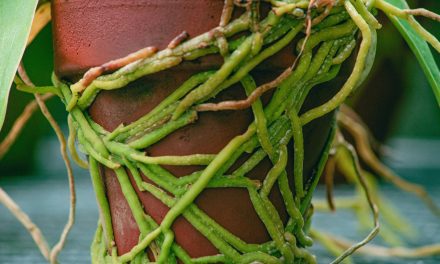
Root rot is a severe condition that arises from prolonged overwatering or poorly draining soil. Symptoms include yellowing leaves, wilting despite wet soil conditions, and a foul odor from the root zone. If left untreated, root rot can lead to irreversible damage or death of the plant.
Preventing root rot involves ensuring proper drainage by using pots with drainage holes and selecting well-aerated potting mixes. If root rot occurs, immediate action is necessary; remove the plant from its pot, trim away any blackened or mushy roots with sterilized scissors, and repot in fresh soil. Allow the plant to dry out before resuming regular watering practices.
Proper Soil and Drainage for Healthy Pothos
The choice of soil plays a critical role in maintaining healthy Pothos plants. A well-draining potting mix enriched with organic matter is ideal for promoting aeration while retaining adequate moisture levels. Commercial potting mixes designed for houseplants often contain peat moss, perlite, or vermiculite—components that enhance drainage.
When repotting your Pothos or planting new cuttings, ensure that the container has sufficient drainage holes to prevent water accumulation at the bottom. This practice minimizes the risk of overwatering and root rot while providing an optimal environment for healthy root development.
Pruning and Maintenance Tips to Revive Yellow Leaves
Pruning is an essential maintenance practice that can help revive yellowing leaves on your Pothos plant. Regularly removing dead or discolored foliage encourages new growth while improving air circulation around the plant. Use clean pruning shears to trim away affected leaves at their base.
In addition to pruning, consider adjusting care practices based on observed issues—whether it be altering watering schedules or improving lighting conditions. Fertilizing after pruning can also stimulate new growth and enhance overall vitality.
Creating the Ideal Environment for Vibrant Green Leaves
To cultivate vibrant green leaves on your Pothos plant, creating an ideal environment is paramount. This includes providing bright indirect light while avoiding direct sunlight exposure that can scorch leaves. Maintaining consistent humidity levels between 40-60% will also promote healthy foliage.
Regularly monitoring soil moisture levels and adjusting watering practices accordingly will further support optimal growth conditions. Incorporating a balanced fertilizer during active growth periods will replenish essential nutrients needed for lush foliage development.
In summary, maintaining the health of your Pothos plant requires attention to various factors including watering practices, lighting conditions, nutrient availability, pest management, temperature stability, and proper soil drainage. By understanding these elements and implementing effective solutions when issues arise, you can ensure your Pothos thrives with vibrant green leaves for years to come.
**FAQ Section**
1. **How often should I water my Pothos?**
Water your Pothos when the top inch of soil feels dry—typically every 1-2 weeks depending on environmental conditions.
2. **What type of fertilizer should I use?**
Use a balanced liquid fertilizer formulated for houseplants during the growing season every 4-6 weeks.
3. **Can I propagate my Pothos?**
Yes! You can propagate Pothos through stem cuttings placed in water or directly in soil.
4. **What should I do if my Pothos has root rot?**
Remove the plant from its pot, trim away affected roots, and repot in fresh soil with good drainage.
5. **How do I know if my Pothos is getting enough light?**
If your Pothos has elongated stems or pale leaves, it may need more light; consider relocating it closer to a light source.
6. **What pests should I watch out for?**
Common pests include spider mites, aphids, mealybugs, and scale insects; inspect regularly for signs of infestation.
7. **Is it normal for older leaves to turn yellow?**
Yes; older leaves may naturally yellow as part of the plant’s life cycle but should be monitored for excessive yellowing.
8. **Can I keep my Pothos outside?**
Yes; however, ensure it is protected from direct sunlight and extreme temperatures.
9. **What humidity level is best for my Pothos?**
Aim for humidity levels between 40-60% for optimal growth.
10. **How do I revive a wilting Pothos?**
Assess watering practices—if underwatered, give it a thorough soak; if overwatered, allow it to dry out before watering again.
In conclusion, understanding how various factors influence Pothos health allows you to create an environment conducive to vibrant growth while effectively addressing any issues that arise along the way.
FAQs
What causes pothos leaves to turn yellow?
Pothos leaves can turn yellow due to several factors, including overwatering, underwatering, nutrient deficiencies, poor lighting conditions, or pest infestations. Overwatering is the most common cause, leading to root rot, while underwatering can cause stress to the plant. Nutrient deficiencies, particularly nitrogen, can also result in yellowing leaves.
How can I tell if I’m overwatering my pothos?
Signs of overwatering include yellowing leaves, wilting, and a mushy or rotten root system. If the soil remains consistently wet and does not dry out between waterings, it is likely that you are overwatering your pothos. Checking the moisture level of the soil before watering can help prevent this issue.
What should I do if my pothos is underwatered?
If you suspect your pothos is underwatered, the first step is to thoroughly water the plant until water drains from the bottom of the pot. Ensure that the soil is evenly moist but not soggy. After watering, monitor the plant closely and adjust your watering schedule to maintain consistent moisture without letting the soil dry out completely.
Can yellow leaves on pothos be a sign of nutrient deficiency?
Yes, yellow leaves can indicate a nutrient deficiency, particularly a lack of nitrogen, which is essential for healthy leaf growth. To address this, you can fertilize your pothos with a balanced liquid fertilizer every 4-6 weeks during the growing season. Be sure to follow the manufacturer’s instructions to avoid over-fertilizing.
How does lighting affect the color of pothos leaves?
Pothos plants thrive in bright, indirect light, and insufficient light can lead to yellowing leaves. If your pothos is not receiving enough light, consider moving it to a brighter location or supplementing with artificial light. However, avoid direct sunlight, as it can scorch the leaves and cause further damage.