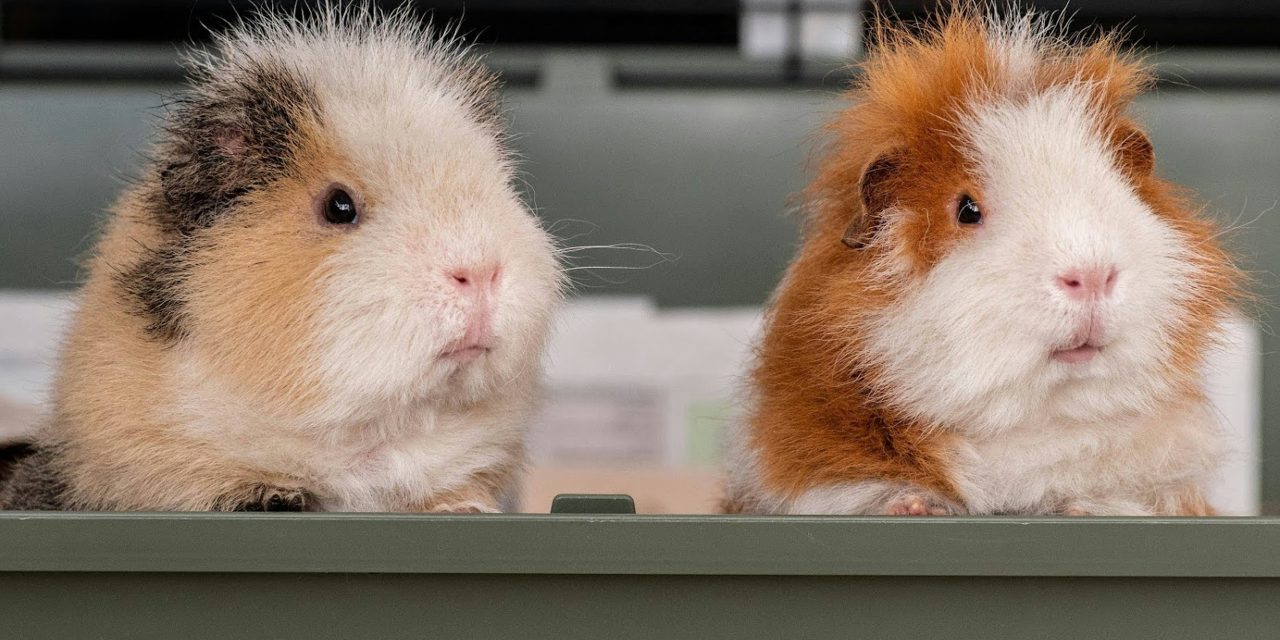
Maintaining a hygienic environment for guinea pigs is paramount for their overall health and well-being. Clean feet and bedding play a crucial role in preventing various health issues, including pododermatitis, which is an inflammation of the foot pads. Guinea pigs are naturally prone to foot problems due to their delicate skin and the weight they carry on their small feet. When bedding is soiled or damp, it can lead to bacterial growth, which exacerbates the risk of infections and other complications.
Moreover, clean bedding contributes to the psychological well-being of these social creatures. A tidy environment reduces stress and promotes natural behaviors, such as burrowing and exploring. Regular cleaning not only enhances the aesthetic appeal of their habitat but also fosters a sense of security for your pets. Therefore, understanding the significance of cleanliness is the first step toward ensuring a healthy life for your guinea pigs.
Choosing the Right Bedding Material
Selecting appropriate bedding material is essential for creating a comfortable and safe habitat for guinea pigs. Various options are available, each with its own advantages and disadvantages. For instance, paper-based bedding is highly absorbent and minimizes odors, making it an excellent choice for maintaining cleanliness. Additionally, it is soft on the feet, reducing the risk of injuries or infections.
Another popular option is aspen shavings, which are natural and provide good ventilation. However, it is crucial to avoid cedar or pine shavings, as they contain phenols that can be harmful to guinea pigs’ respiratory systems. Furthermore, fleece bedding has gained popularity due to its reusability and ease of cleaning. While it requires regular washing, it offers a soft surface that is gentle on their feet. Ultimately, the choice of bedding should prioritize both comfort and hygiene.
Setting Up a Proper Cage Environment

Creating an optimal cage environment involves more than just selecting the right bedding; it encompasses various factors that contribute to your guinea pig’s health. The cage should be spacious enough to allow for movement and exploration, ideally measuring at least 7.5 square feet for two guinea pigs. This space should be divided into areas for sleeping, eating, and playing to mimic their natural habitat.
Proper ventilation is also critical in preventing respiratory issues. Ensure that the cage is placed in a well-ventilated area away from direct sunlight and drafts. Additionally, incorporating hiding spots and tunnels can help reduce stress levels by providing safe spaces for your pets to retreat when they feel threatened. By establishing a well-structured environment, you can significantly enhance your guinea pig’s quality of life.
Daily Spot Cleaning: What to Look For

Daily spot cleaning is an essential practice that helps maintain a hygienic living space for guinea pigs. During this routine, focus on removing soiled bedding, uneaten food, and any waste materials. Pay close attention to corners and areas where your guinea pigs tend to congregate, as these spots are likely to accumulate waste more quickly.
Additionally, inspect the bedding for dampness or odors that may indicate moisture build-up or bacterial growth. If you notice any signs of mold or mildew, it is crucial to replace the affected bedding immediately. Regular spot cleaning not only keeps the cage smelling fresh but also prevents potential health issues related to unsanitary conditions.
Weekly Deep Cleaning Routine
In addition to daily spot cleaning, implementing a weekly deep cleaning routine is vital for maintaining a healthy environment for your guinea pigs. This process involves completely removing all bedding and thoroughly cleaning the cage with safe cleaning products. Start by taking your guinea pigs out of the cage and placing them in a secure area while you clean.
Once the cage is empty, wash all surfaces with a mild detergent or vinegar solution to eliminate any lingering bacteria or odors. Rinse thoroughly to ensure no residue remains that could harm your pets. After cleaning, allow the cage to dry completely before adding fresh bedding. This comprehensive approach helps prevent the accumulation of harmful pathogens and ensures a safe living space.
Grooming Your Guinea Pig’s Feet Regularly
Regular grooming of your guinea pig’s feet is essential for preventing foot-related health issues. Start by gently handling your pet and inspecting their feet for any signs of redness, swelling, or sores. Use a soft brush or cloth to remove any debris or bedding material that may have accumulated between their toes.
Additionally, trimming their nails regularly is crucial in preventing overgrowth, which can lead to discomfort or injury. Aim to trim their nails every 4-6 weeks, ensuring you do not cut into the quick, which can cause bleeding and pain. By incorporating foot grooming into your routine, you can significantly reduce the risk of pododermatitis and other foot-related complications.
Preventing Moisture Build-Up in the Cage
Moisture build-up in the cage can lead to various health issues for guinea pigs, including skin infections and respiratory problems. To prevent this from occurring, ensure that bedding is changed regularly and that any damp areas are addressed promptly during daily spot cleaning.
Consider using absorbent bedding materials that wick moisture away from your pets’ feet effectively. Additionally, monitor humidity levels in the room where the cage is located; ideally, humidity should be kept between 30-70%. If necessary, use dehumidifiers or fans to maintain optimal conditions. By taking proactive measures against moisture accumulation, you can safeguard your guinea pigs’ health.
Using Safe and Effective Cleaning Products
When cleaning your guinea pig’s cage, it is crucial to use safe and effective cleaning products that will not harm your pets. Avoid harsh chemicals or strong fragrances that can irritate their sensitive respiratory systems. Instead, opt for natural cleaning solutions such as vinegar or baking soda mixed with water.
These alternatives are effective at eliminating odors and disinfecting surfaces without posing risks to your pets’ health. Always rinse thoroughly after using any cleaning product to ensure no residue remains in the cage. By prioritizing safety in your cleaning routine, you can create a healthier environment for your guinea pigs.
Monitoring for Signs of Foot Problems or Infections
Regular monitoring of your guinea pig’s feet is essential for early detection of potential problems or infections. Look for signs such as swelling, redness, or discharge from the foot pads. Additionally, observe their behavior; if they seem reluctant to walk or show signs of discomfort when standing, it may indicate an underlying issue.
If you notice any abnormalities, consult a veterinarian experienced in exotic animal care promptly. Early intervention can prevent minor issues from escalating into serious health concerns. Regular foot inspections should be part of your overall care routine to ensure your guinea pigs remain healthy and happy.
Tips for Handling and Cleaning Older or Sensitive Guinea Pigs
Older or sensitive guinea pigs may require special attention during handling and cleaning routines. When approaching these pets, use gentle movements and speak softly to avoid startling them. Support their bodies adequately while lifting them to prevent stress on their joints.
During cleaning sessions, consider using softer bedding materials that provide extra cushioning for their delicate feet. Additionally, be mindful of their mobility; if they have difficulty moving around due to age-related issues, ensure that their living space is easily accessible with minimal obstacles. By adapting your care routine to accommodate their needs, you can enhance their comfort and quality of life.
Maintaining a Consistent Cleaning Schedule for Long-Term Health
Establishing a consistent cleaning schedule is vital for promoting long-term health in guinea pigs. Create a calendar that outlines daily spot cleaning tasks as well as weekly deep cleaning routines. Consistency helps prevent neglecting important tasks that could lead to unsanitary conditions.
Incorporate reminders for grooming sessions and foot inspections into your schedule as well. By adhering to this routine diligently, you will foster a clean environment that minimizes health risks while enhancing your pets’ overall well-being.
In summary, maintaining clean feet and bedding for guinea pigs is essential for their health and happiness. Choosing appropriate bedding materials, setting up a proper cage environment, conducting daily spot cleaning, implementing weekly deep cleaning routines, grooming regularly, preventing moisture build-up, using safe cleaning products, monitoring foot health, accommodating older pets’ needs, and maintaining a consistent schedule are all critical components of responsible guinea pig care. By prioritizing these practices, you can ensure a thriving habitat for your beloved pets while minimizing potential health risks associated with poor hygiene.
FAQs
How often should I clean my guinea pig’s bedding?
You should clean your guinea pig’s bedding at least once a week. However, if your guinea pig is particularly messy or if you notice a strong odor, you may need to clean it more frequently, such as every few days. Regular cleaning helps maintain a healthy environment for your pet.
What type of bedding is best for guinea pigs?
The best bedding for guinea pigs includes materials that are absorbent, soft, and safe. Options like aspen shavings, paper-based bedding, or fleece liners are popular choices. Avoid cedar or pine shavings, as they can be harmful to guinea pigs’ respiratory systems.
How can I keep my guinea pig’s feet clean?
To keep your guinea pig’s feet clean, regularly check for any debris or waste stuck between their toes. You can gently wipe their feet with a damp cloth or use a soft brush to remove any dirt. Additionally, maintaining clean bedding will help prevent their feet from getting dirty.
What signs indicate that my guinea pig’s feet are not healthy?
Signs of unhealthy feet in guinea pigs include redness, swelling, sores, or excessive dirt buildup. If you notice any of these symptoms, it is important to consult a veterinarian for proper diagnosis and treatment to prevent further complications.
Can I use regular household cleaners to clean my guinea pig’s cage?
No, you should avoid using regular household cleaners, as they can contain harmful chemicals. Instead, use pet-safe cleaners or a mixture of vinegar and water to disinfect the cage. Always rinse thoroughly and allow the cage to dry completely before placing your guinea pig back inside.