Proper storage of raw steak is crucial for maintaining its quality, flavor, and safety. Raw steak, a popular protein choice, is susceptible to spoilage due to its high moisture content and nutrient-rich composition. The primary goal of effective storage is to inhibit bacterial growth, which can lead to foodborne illnesses. Understanding the nuances of raw steak storage involves recognizing the importance of temperature control, packaging methods, and the duration of storage.
When raw steak is not stored correctly, it can quickly become a breeding ground for pathogens such as E. coli and Salmonella. These bacteria thrive in warm environments and can multiply rapidly if the meat is left at room temperature for extended periods. Therefore, it is essential to adhere to specific guidelines to ensure that raw steak remains safe for consumption while retaining its desirable qualities.
Ideal Refrigerator Temperature for Raw Steak
The ideal refrigerator temperature for storing raw steak is between 32°F (0°C) and 36°F (2°C). This temperature range effectively slows down bacterial growth while preserving the meat’s texture and flavor. It is crucial to use a reliable refrigerator thermometer to monitor the internal temperature consistently. A refrigerator set above 40°F (4°C) can significantly increase the risk of spoilage and foodborne illness.
In addition to maintaining the correct temperature, it is advisable to store raw steak on the bottom shelf of the refrigerator. This placement minimizes the risk of cross-contamination from other foods, particularly those that may drip or leak. Keeping raw steak in its original packaging or placing it in a sealed container can further enhance safety by preventing exposure to air and moisture.
Recommended Duration for Storing Raw Steak

The recommended duration for storing raw steak in the refrigerator varies depending on the cut and freshness at the time of purchase. Generally, raw steak can be safely stored in the refrigerator for 3 to 5 days. However, certain cuts may have different shelf lives; for instance, ground beef should ideally be consumed within 1 to 2 days due to its increased surface area, which accelerates spoilage.
For longer storage periods, freezing raw steak is an effective option. When properly wrapped and stored in a freezer set at 0°F (-18°C), most cuts of steak can maintain their quality for up to 6 to 12 months. However, it is essential to note that while freezing preserves safety, it may affect the texture and flavor over time.
Factors Affecting Raw Steak Shelf Life

Several factors influence the shelf life of raw steak, including the cut of meat, initial freshness, and storage conditions. The type of cut plays a significant role; for example, tender cuts like filet mignon tend to have a longer shelf life compared to tougher cuts like flank steak. Additionally, steaks that are vacuum-sealed or packaged in modified atmosphere packaging often last longer than those in traditional packaging.
Environmental factors such as humidity and air exposure also impact shelf life. High humidity levels can promote bacterial growth, while exposure to air can lead to oxidation and freezer burn when frozen. Therefore, understanding these variables is essential for maximizing the longevity of raw steak.
Signs Your Raw Steak Has Gone Bad
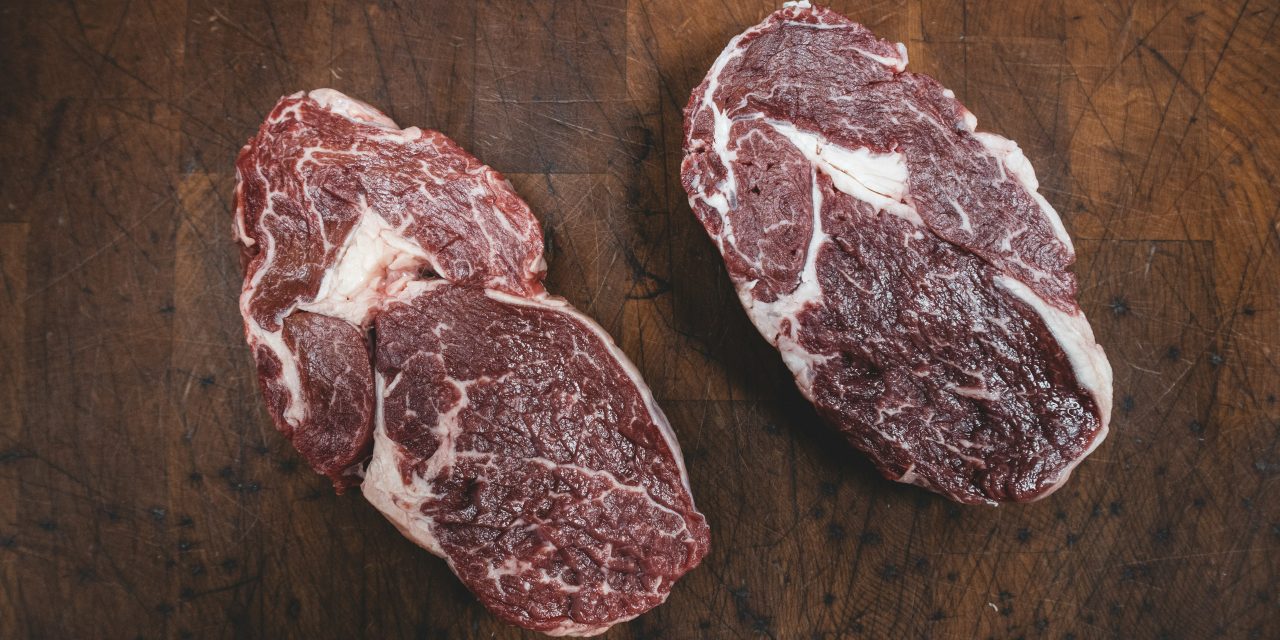
Identifying signs of spoilage in raw steak is vital for ensuring food safety. Common indicators include changes in color, texture, and odor. Fresh raw steak typically has a bright red color; however, if it appears brown or gray, this may indicate oxidation or spoilage. Additionally, a slimy or sticky texture is a clear sign that the meat has gone bad.
Another critical factor is odor; fresh steak should have a mild, meaty scent. If it emits a sour or rancid smell, it is best to discard it immediately. Trusting your senses is essential when assessing the quality of raw steak; when in doubt, it is safer to err on the side of caution.
Proper Packaging Techniques for Raw Steak
Effective packaging techniques are essential for preserving the quality of raw steak during storage. When storing in the refrigerator, it is advisable to keep the meat in its original packaging until ready for use. If repackaging is necessary, use airtight containers or heavy-duty plastic wrap to minimize exposure to air.
For freezing raw steak, vacuum sealing is one of the best methods to prevent freezer burn and maintain flavor. If vacuum sealing is not an option, wrapping the steak tightly in plastic wrap followed by aluminum foil can provide adequate protection against air exposure. Labeling packages with dates ensures that you can track storage duration effectively.
Differences Between Refrigeration and Freezing
Refrigeration and freezing serve different purposes when it comes to food storage. Refrigeration slows down bacterial growth but does not halt it entirely; thus, perishable items like raw steak must be consumed within a specific timeframe. Conversely, freezing effectively stops bacterial activity by lowering temperatures significantly.
While refrigeration maintains texture and flavor better than freezing, prolonged storage in the freezer can lead to changes in quality due to ice crystal formation and dehydration. Understanding these differences helps consumers make informed decisions about how best to store their raw steak based on their intended use.
How to Extend Raw Steak Freshness Safely
To extend the freshness of raw steak safely, several strategies can be employed. First and foremost, always ensure that your refrigerator operates at the correct temperature range (32°F – 36°F). Additionally, consider marinating the steak before storage; acidic marinades can help inhibit bacterial growth while enhancing flavor.
Another effective method is portioning raw steak into smaller cuts before freezing. This allows for quicker thawing times and reduces waste by enabling you to defrost only what you need. Utilizing airtight packaging techniques also plays a crucial role in extending freshness by minimizing exposure to air and moisture.
Impact of Steak Cut on Storage Time
The cut of steak significantly impacts its storage time and overall quality during storage. Tender cuts such as ribeye or sirloin generally have a longer shelf life compared to tougher cuts like chuck or round steaks due to their fat content and muscle structure. Fat acts as a natural preservative but can also lead to rancidity if not stored properly.
Ground beef presents unique challenges as well; due to its increased surface area, it spoils more quickly than whole cuts of meat. Therefore, it is advisable to consume ground beef within 1-2 days when refrigerated or freeze it immediately if not used within that timeframe.
Food Safety Tips When Handling Raw Steak
Food safety practices are paramount when handling raw steak to prevent cross-contamination and foodborne illnesses. Always wash hands thoroughly with soap and water before and after handling raw meat. Use separate cutting boards for raw steak and other foods such as vegetables or cooked items to avoid cross-contamination.
Additionally, ensure that all utensils and surfaces that come into contact with raw steak are sanitized properly after use. Cooking steak to an internal temperature of at least 145°F (63°C) ensures that harmful bacteria are effectively killed, making it safe for consumption.
When to Cook or Freeze Raw Steak for Best Quality
Determining when to cook or freeze raw steak hinges on freshness and intended use. If you plan to consume the steak within a few days of purchase, refrigeration is sufficient; however, if you anticipate a longer storage period exceeding five days, freezing becomes necessary.
For optimal quality, consider cooking steaks before they reach their expiration date in the refrigerator; this ensures maximum flavor and tenderness. If freezing is chosen as an option, aim to do so as soon as possible after purchase while ensuring proper packaging techniques are employed.
In summary, understanding how to store raw steak effectively involves recognizing ideal temperatures, duration guidelines, and factors influencing shelf life. By being vigilant about signs of spoilage and employing proper packaging techniques, consumers can enjoy high-quality meat safely while minimizing waste.
FAQs
How long can raw steak be stored in the refrigerator?
Raw steak can typically be stored in the refrigerator for 3 to 5 days. It is important to keep it at a temperature of 40°F (4°C) or lower to ensure safety and maintain quality.
What factors can affect the shelf life of raw steak in the refrigerator?
Several factors can affect the shelf life of raw steak, including the cut of meat, how fresh it was when purchased, the packaging, and the temperature of the refrigerator. Vacuum-sealed steaks may last longer than those in standard packaging.
How can you tell if raw steak has gone bad?
Signs that raw steak has gone bad include a sour or off smell, a slimy texture, and discoloration. If the steak appears brown or gray, it may still be safe to eat, but any unpleasant odor or texture indicates spoilage.
Can raw steak be frozen to extend its shelf life?
Yes, raw steak can be frozen to extend its shelf life. When properly wrapped and stored in the freezer, it can last for 6 to 12 months. However, for the best quality, it is recommended to consume it within 4 to 6 months.
Is it safe to eat raw steak that has been in the refrigerator for more than 5 days?
It is generally not safe to eat raw steak that has been in the refrigerator for more than 5 days. Consuming spoiled meat can lead to foodborne illnesses, so it is best to discard any steak that exceeds this timeframe.