Bacon is a beloved staple in many households, known for its rich flavor and versatility in various culinary applications. However, understanding its shelf life is crucial for ensuring food safety and maintaining quality. The shelf life of bacon can vary significantly based on several factors, including its type, packaging, and storage conditions. Generally, bacon can be categorized into two main types: raw and cooked. Each type has distinct characteristics that influence how long it remains safe to consume.
The shelf life of bacon is typically measured in days or weeks, depending on whether it is unopened or opened. Unopened packages of bacon can last longer than those that have been opened, as exposure to air and moisture can accelerate spoilage. Additionally, the curing process used in bacon production can also impact its longevity. Cured bacon, which has been treated with salt and preservatives, tends to have a longer shelf life compared to uncured varieties. Understanding these nuances is essential for consumers who wish to enjoy bacon safely and deliciously.
Factors Affecting Bacon Freshness
Several factors play a pivotal role in determining the freshness of bacon. One of the primary influences is the curing method employed during production. Cured bacon, which is treated with salt, nitrates, or nitrites, has a longer shelf life due to the preservation properties of these substances. In contrast, uncured bacon lacks these preservatives and may spoil more quickly.
Another significant factor is the storage temperature. Bacon should ideally be stored at temperatures below 40°F (4°C) to inhibit bacterial growth. Exposure to higher temperatures can lead to rapid spoilage and an increased risk of foodborne illnesses. Additionally, the presence of moisture can also affect bacon’s freshness; excess moisture can promote the growth of bacteria and mold.
Packaging also plays a crucial role in maintaining bacon’s quality. Vacuum-sealed packaging can extend shelf life by minimizing exposure to air, while traditional packaging may allow for quicker spoilage. Understanding these factors can help consumers make informed decisions about purchasing and storing bacon.
Unopened Bacon: How Long Does It Last?

Unopened bacon typically has a longer shelf life than opened bacon due to its sealed packaging. When stored properly in the refrigerator, unopened bacon can last for approximately one week past its sell-by date. However, it is essential to note that this timeframe may vary based on the specific brand and curing method used.
For optimal freshness, unopened bacon should be kept in its original packaging until ready for use. If you plan to store it for an extended period, freezing is an excellent option. When frozen, unopened bacon can maintain its quality for up to six months without significant loss of flavor or texture. It is advisable to label the package with the date of freezing to ensure proper rotation and usage.
Opened Bacon: Storage Tips and Duration

Once a package of bacon has been opened, its shelf life decreases significantly. Opened bacon should be consumed within one week when stored in the refrigerator. To maximize freshness, it is crucial to store opened bacon properly. Wrapping it tightly in plastic wrap or aluminum foil can help minimize exposure to air and moisture.
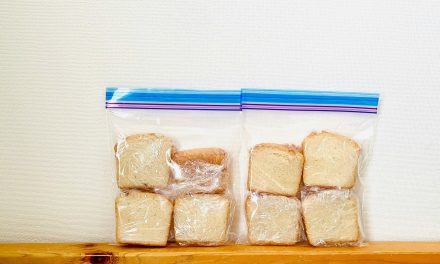
For those who do not plan to use opened bacon within a week, freezing is an effective solution. When properly wrapped and sealed in an airtight container or freezer bag, opened bacon can last for up to three months in the freezer. It is advisable to portion out the bacon before freezing to facilitate easier thawing and cooking later on.
The Role of Packaging in Bacon Preservation
Packaging plays a vital role in preserving the quality and safety of bacon. Vacuum-sealed packaging is particularly effective at extending shelf life by reducing exposure to oxygen, which can lead to spoilage and rancidity. This type of packaging also helps prevent freezer burn when bacon is stored in the freezer.
Traditional packaging methods, such as plastic wrap or butcher paper, may not provide the same level of protection against air and moisture. As a result, bacon stored in these types of packaging may spoil more quickly once opened. Consumers should consider investing in vacuum-sealing equipment if they frequently purchase large quantities of bacon or if they wish to extend its shelf life significantly.
How to Properly Store Bacon in the Fridge
Proper storage techniques are essential for maintaining the freshness and safety of bacon in the refrigerator. First and foremost, bacon should be kept at a consistent temperature below 40°F (4°C). It is advisable to store it on a shelf rather than in the door, as the temperature fluctuates more frequently in door compartments.
When storing opened bacon, wrapping it tightly in plastic wrap or aluminum foil can help prevent exposure to air and moisture. Alternatively, placing it in an airtight container can also be effective. For unopened packages, it is best to leave them in their original packaging until ready for use.
Signs Your Bacon Has Gone Bad
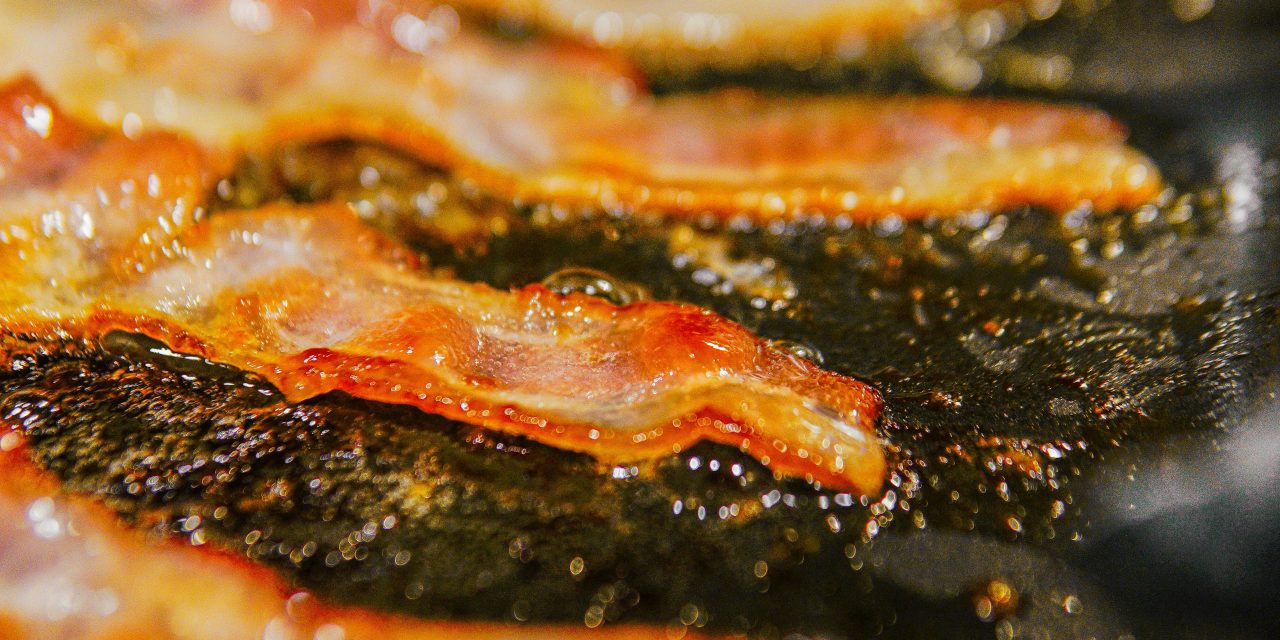
Identifying spoiled bacon is crucial for preventing foodborne illnesses. Several signs indicate that bacon has gone bad. First and foremost, any off-putting odor should raise immediate concern; fresh bacon typically has a pleasant, smoky aroma. If the bacon emits a sour or rancid smell, it is best to discard it.
Additionally, visual cues can indicate spoilage. Fresh bacon should have a pinkish-red color with white or cream-colored fat. If you notice any discoloration, such as gray or green patches, this may signify bacterial growth or spoilage. Lastly, if the texture feels slimy or sticky rather than firm and slightly moist, it is advisable not to consume the product.
Comparing Fresh Bacon and Precooked Bacon Shelf Life
When comparing fresh bacon with precooked varieties, there are notable differences in shelf life and storage requirements. Fresh bacon typically has a shorter shelf life due to its raw state; it should be consumed within one week after opening when refrigerated or up to three months when frozen.
On the other hand, precooked bacon has undergone a cooking process that extends its shelf life significantly. Unopened precooked bacon can last for several months past its sell-by date when stored properly at room temperature or refrigerated. Once opened, precooked bacon should be consumed within one week when refrigerated but can also be frozen for extended storage.
Can You Extend Bacon’s Life with Freezing?
Freezing is an effective method for extending the shelf life of both opened and unopened bacon. When properly wrapped and sealed in airtight containers or freezer bags, bacon can maintain its quality for several months without significant loss of flavor or texture.
To freeze bacon effectively, it is advisable to portion it into smaller servings before sealing it in freezer-safe packaging. This allows for easier thawing and prevents waste by enabling you to use only what you need at any given time. When ready to use frozen bacon, it is best to thaw it in the refrigerator overnight rather than at room temperature to minimize bacterial growth.
Food Safety Tips for Handling Bacon
Handling bacon safely is paramount for preventing foodborne illnesses. Always wash your hands thoroughly before and after handling raw bacon to reduce the risk of cross-contamination with other foods. It is also essential to use separate cutting boards and utensils for raw meat products.
When cooking bacon, ensure that it reaches an internal temperature of at least 145°F (63°C) to kill any harmful bacteria present. Additionally, avoid leaving cooked bacon at room temperature for extended periods; refrigerate leftovers promptly within two hours of cooking.
What to Do With Bacon That’s Near Expiry
If you find yourself with bacon that is nearing its expiration date but still appears fresh, there are several options available. First, consider cooking the bacon; cooking can extend its usability by transforming it into a safe-to-eat product that can be stored for a few additional days in the refrigerator.
Alternatively, if you are unable to consume it immediately, freezing cooked bacon is an excellent option for preserving its quality while preventing waste. Cooked bacon can be frozen for up to three months without significant loss of flavor or texture.
In summary, understanding the intricacies of bacon shelf life is essential for ensuring food safety and maximizing enjoyment of this popular food item. By considering factors such as storage methods, packaging types, and signs of spoilage, consumers can make informed decisions about purchasing and consuming bacon safely while minimizing waste through effective storage techniques like freezing.
FAQs
How long can cooked bacon last in the fridge?
Cooked bacon can last in the fridge for about 4 to 5 days when stored properly in an airtight container or wrapped tightly in aluminum foil or plastic wrap.
How long can uncooked bacon last in the fridge?
Uncooked bacon can typically last in the fridge for about 1 week if it is unopened. Once opened, it should be consumed within 5 to 7 days for optimal freshness.
Can you freeze bacon to extend its shelf life?
Yes, bacon can be frozen to extend its shelf life. Uncooked bacon can be frozen for up to 6 months, while cooked bacon can last for about 2 to 3 months in the freezer.
How can you tell if bacon has gone bad?
Signs that bacon has gone bad include a sour smell, a slimy texture, or discoloration. If the bacon has developed a green or gray hue, it is best to discard it.
Is it safe to eat bacon after the expiration date?
While bacon may still be safe to eat shortly after the expiration date if it has been stored properly, it is important to check for any signs of spoilage. Always use your senses to determine its freshness before consuming.