Food safety is a critical aspect of public health that encompasses the handling, preparation, and storage of food to prevent foodborne illnesses. Bacterial growth is a significant concern in this domain, as microorganisms can proliferate rapidly under favorable conditions, leading to contamination. The Centers for Disease Control and Prevention (CDC) estimates that approximately 48 million Americans suffer from foodborne illnesses each year, resulting in 128,000 hospitalizations and 3,000 deaths. Understanding the mechanisms of bacterial growth is essential for mitigating these risks.
Bacteria thrive in environments that provide moisture, nutrients, and warmth. The exponential growth of bacteria can occur within hours if food is not handled properly. For instance, pathogens such as Salmonella, E. coli, and Listeria can double in number every 20 minutes under optimal conditions. This rapid multiplication underscores the importance of adhering to food safety guidelines to minimize the risk of contamination and subsequent illness.
The “Two-Hour Rule”: What It Means
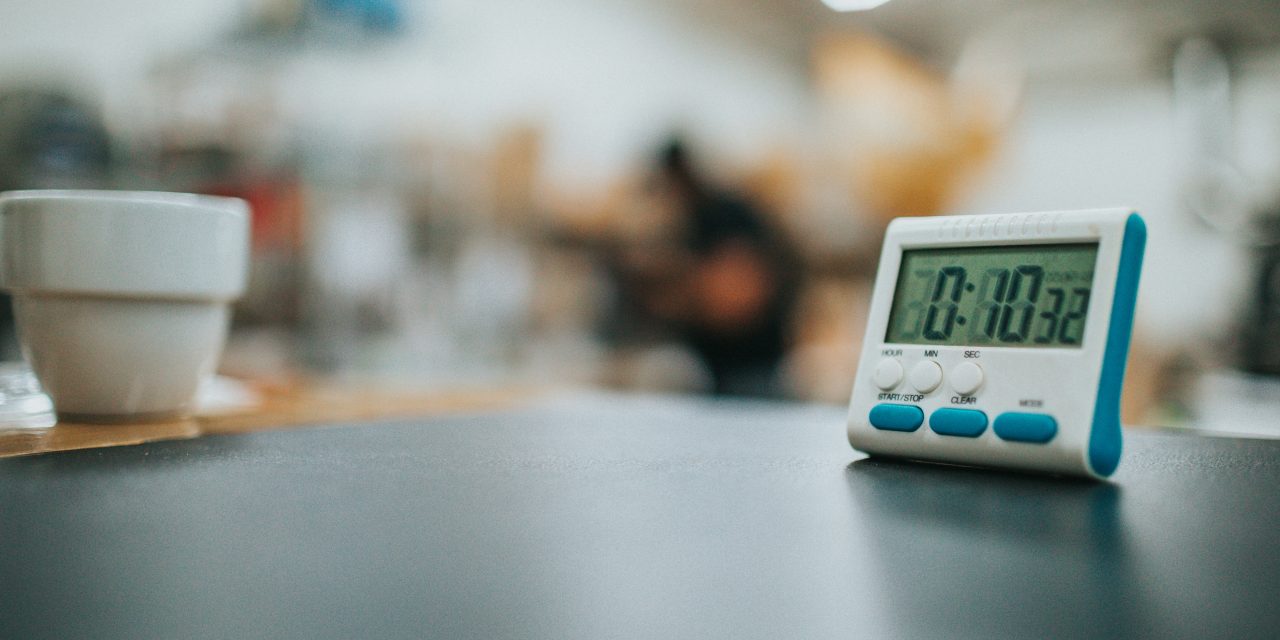
The “Two-Hour Rule” is a fundamental guideline in food safety that dictates how long perishable foods can be left at room temperature before they become unsafe to consume. According to this rule, food should not be left out for more than two hours; if the ambient temperature exceeds 90°F, this time frame is reduced to just one hour. This guideline is crucial for preventing the growth of harmful bacteria that can lead to foodborne illnesses.
When food is left out beyond these time limits, it enters a critical phase where bacterial growth accelerates. For example, cooked meats, dairy products, and cut fruits are particularly susceptible to rapid spoilage. Adhering to the Two-Hour Rule can significantly reduce the risk of foodborne pathogens proliferating to dangerous levels, thereby safeguarding public health.
Temperature Danger Zone: 40°F to 140°F Explained

The Temperature Danger Zone refers to the range between 40°F and 140°F, where bacteria can grow most rapidly. This range is critical for food safety because it encompasses temperatures that are commonly found in kitchens and dining areas. When food is stored or served within this temperature range, the risk of bacterial growth increases significantly.
To mitigate this risk, it is essential to keep cold foods at temperatures below 40°F and hot foods above 140°F. Refrigeration slows down bacterial growth, while cooking food to appropriate internal temperatures kills harmful pathogens. For instance, poultry should be cooked to an internal temperature of 165°F, while ground meats should reach at least 160°F. Understanding the Temperature Danger Zone empowers individuals to make informed decisions about food storage and preparation.
How Different Foods React to Being Left Out

Different types of foods exhibit varying reactions when left out at room temperature. Perishable items such as dairy products, meats, and seafood are particularly vulnerable to spoilage due to their high moisture content and nutrient density. For example, milk left out for more than two hours can develop harmful bacteria like Listeria or Salmonella, leading to severe gastrointestinal distress.
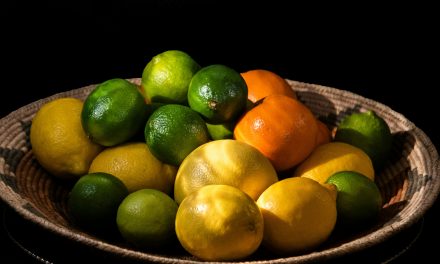
Conversely, non-perishable foods such as canned goods or dry grains are less susceptible to immediate spoilage but can still degrade in quality over time. For instance, while canned beans may not harbor harmful bacteria when left out briefly, their flavor and texture may deteriorate. Understanding how different foods react to being left out helps consumers make better choices regarding food safety.
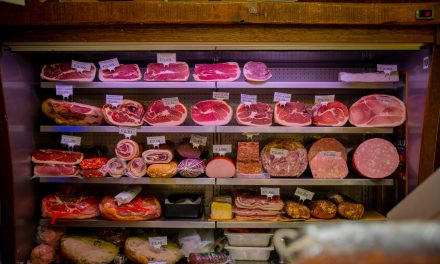
Perishable foods are items that have a limited shelf life and require refrigeration or freezing to maintain their safety and quality. Examples include fresh fruits and vegetables, dairy products, meats, and seafood. These foods are prone to spoilage due to their high moisture content and nutrient availability, making them ideal environments for bacterial growth.
In contrast, non-perishable foods have a longer shelf life and can be stored at room temperature without significant risk of spoilage. Examples include canned goods, dried pasta, rice, and certain snacks. While these items may not require refrigeration, they should still be stored in a cool, dry place to prevent degradation over time. Understanding these distinctions is vital for effective meal planning and food storage practices.
The Impact of Room Temperature on Food Safety
Room temperature plays a pivotal role in determining the safety of food items. When food is exposed to ambient temperatures that fall within the Temperature Danger Zone (40°F to 140°F), the likelihood of bacterial growth increases exponentially. This is particularly concerning during social gatherings or events where food may be left out for extended periods.
To mitigate risks associated with room temperature exposure, it is advisable to monitor food closely during serving times. Utilizing insulated containers for hot foods and ice packs for cold items can help maintain safe temperatures. Additionally, implementing a system for rotating food items—serving smaller portions more frequently—can minimize the time that larger quantities remain at unsafe temperatures.
Signs That Food Has Gone Bad
Identifying signs of spoilage is crucial for ensuring food safety. Common indicators that food has gone bad include changes in color, texture, odor, and taste. For instance, spoiled dairy products may develop a sour smell or curdled appearance, while meats may exhibit discoloration or an off-putting odor.
In addition to sensory cues, checking expiration dates and observing packaging integrity are essential practices for assessing food safety. If packaging appears compromised or if there are signs of mold growth on perishable items like bread or fruits, it is best to err on the side of caution and discard the affected products.
How Humidity and Environment Affect Food Spoilage
Humidity levels and environmental conditions significantly influence the rate at which food spoils. High humidity can accelerate mold growth on bread and fruits while promoting bacterial proliferation in perishable items. Conversely, low humidity can lead to dehydration in certain foods, affecting their texture and flavor.
Proper storage techniques can help mitigate these effects. For example, storing fruits in breathable containers can reduce moisture buildup while keeping them fresh longer. Additionally, utilizing airtight containers for dry goods can prevent moisture absorption and extend shelf life.
Cooked foods require different handling considerations compared to raw foods due to their varying susceptibility to bacterial contamination. Cooked items should be cooled rapidly after preparation and stored at safe temperatures to prevent bacterial growth. It is essential to reheat leftovers thoroughly before consumption to ensure any potential pathogens are eliminated.
Raw foods, particularly meats and seafood, pose a higher risk of harboring harmful bacteria such as Salmonella or E. coli. Cross-contamination between raw and cooked foods must be avoided by using separate cutting boards and utensils. Additionally, washing hands thoroughly after handling raw ingredients is crucial for preventing the spread of pathogens.
Safe Practices for Serving and Storing Food
Implementing safe practices for serving and storing food is paramount in preventing foodborne illnesses. When serving food at gatherings or events, it is advisable to use chafing dishes or slow cookers that maintain safe temperatures for hot foods while utilizing ice baths for cold items.
For storage purposes, leftovers should be promptly refrigerated within two hours of cooking or serving. Utilizing shallow containers allows for quicker cooling of hot foods in the refrigerator. Labeling containers with dates can help track freshness and ensure timely consumption.
When in Doubt: The Importance of Food Safety Precautions
When uncertainty arises regarding the safety of food items, it is always better to err on the side of caution. If there are any doubts about whether a particular item has been stored or handled correctly, it is advisable to discard it rather than risk potential illness.
Food safety precautions are essential not only for individual health but also for public well-being. Educating oneself about proper food handling techniques and staying informed about best practices can significantly reduce the incidence of foodborne illnesses within communities.
In summary, understanding food safety principles is crucial for preventing bacterial growth and ensuring public health. Adhering to guidelines such as the Two-Hour Rule and maintaining safe temperatures can mitigate risks associated with perishable foods. Recognizing signs of spoilage and implementing safe storage practices further enhances food safety measures. Ultimately, prioritizing food safety precautions fosters a healthier environment for everyone involved in food preparation and consumption.
FAQs
How long can perishable food sit out at room temperature?
Perishable food should not sit out at room temperature for more than 2 hours. If the temperature is above 90°F (32°C), this time is reduced to just 1 hour to prevent the growth of harmful bacteria.
What types of food are considered perishable?
Perishable foods include items such as meat, poultry, fish, dairy products, eggs, cooked vegetables, and cut fruits. These foods are more susceptible to bacterial growth when left out at room temperature.
What happens if food is left out too long?
If food is left out too long, it can enter the “danger zone” (between 40°F and 140°F or 4°C and 60°C), where bacteria can multiply rapidly. Consuming food that has been in this temperature range for too long can lead to foodborne illnesses.
How can I tell if food is still safe to eat after sitting out?
While some foods may look and smell fine, they can still harbor harmful bacteria. It is best to adhere to the 2-hour rule and discard any perishable food that has been left out beyond this time frame to ensure safety.
Are there any exceptions to the 2-hour rule?
Yes, certain foods like baked goods, dry snacks, and whole fruits may be safe to eat after sitting out for longer periods, as they are less prone to bacterial growth. However, it is always best to err on the side of caution with perishable items.