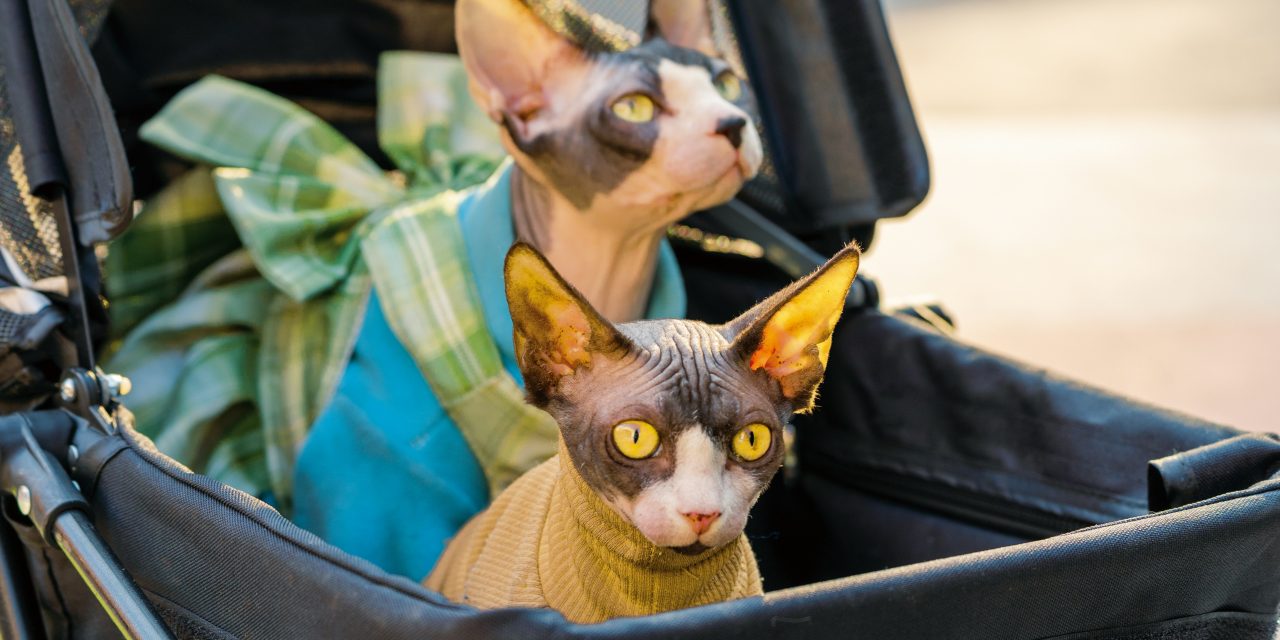
Sphynx cats are a distinctive breed known for their hairless appearance, which results from a natural genetic mutation. This unique trait, while visually striking, necessitates specialized care and attention to their skin and overall health. Unlike their furry counterparts, Sphynx cats lack a protective coat that typically shields the skin from environmental factors. Consequently, they are more susceptible to skin issues, temperature fluctuations, and sunburn. Understanding these unique needs is crucial for any Sphynx cat owner.
The absence of fur means that Sphynx cats produce more skin oils than other breeds. These oils can accumulate on their skin, leading to a greasy appearance and potential skin irritations if not managed properly. Additionally, Sphynx cats are prone to certain health conditions, including hypertrophic cardiomyopathy and respiratory issues, which require vigilant monitoring. Owners must be proactive in addressing these concerns through regular grooming and veterinary check-ups to ensure their feline companions remain healthy and comfortable.
Gathering Essential Grooming Supplies
Before embarking on the grooming journey with your Sphynx cat, it is essential to gather the necessary supplies to facilitate a smooth and effective grooming process. Key items include a gentle cat shampoo specifically formulated for sensitive skin, soft washcloths, cotton balls, nail clippers designed for feline use, and a moisturizing lotion or cream suitable for cats. Additionally, having a soft brush or grooming glove can help remove any loose skin debris without causing irritation.
Investing in high-quality grooming tools is vital for maintaining your Sphynx cat’s skin health. Look for hypoallergenic products that are free from harsh chemicals and fragrances. A dedicated grooming area can also enhance the experience; consider setting up a comfortable space with soft bedding where your cat feels secure. This environment will help reduce stress during grooming sessions and foster a positive association with the process.
Preparing Your Sphynx Cat for Grooming

Preparation is key when it comes to grooming your Sphynx cat. Begin by acclimating your feline friend to the grooming routine gradually. Start by allowing them to explore the grooming area while providing treats and positive reinforcement. This approach helps create a sense of familiarity and comfort. Once your cat appears relaxed, gently handle their paws, ears, and body to desensitize them to touch.
Establishing a calm atmosphere is crucial during grooming sessions. Consider playing soft music or using pheromone diffusers to create a soothing environment. If your Sphynx cat exhibits signs of anxiety or resistance, take breaks and offer reassurance. Patience is essential; some cats may require multiple sessions before they fully accept the grooming process.
Bathing Your Sphynx Cat Properly

Bathing is an integral part of maintaining your Sphynx cat’s hygiene due to their propensity for oil buildup on the skin. It is recommended to bathe your cat every 1-2 weeks, depending on their individual needs and lifestyle. Begin by filling a sink or bathtub with lukewarm water, ensuring it is not too deep to avoid overwhelming your pet. Gently place your cat in the water, supporting their body to instill confidence.
When bathing, use a gentle touch and avoid getting water in their ears or eyes. Lather the shampoo thoroughly while being mindful of sensitive areas such as the face and underbelly. Rinse thoroughly to remove all shampoo residue, as leftover product can lead to skin irritation. After bathing, wrap your Sphynx cat in a soft towel to absorb excess moisture before allowing them to air dry in a warm environment.
Choosing the Right Shampoo for Sensitive Skin
Selecting an appropriate shampoo is paramount for Sphynx cats due to their sensitive skin. Look for products specifically designed for hairless breeds or those labeled as hypoallergenic. Ingredients such as oatmeal, aloe vera, and chamomile are beneficial for soothing irritated skin and providing moisture. Avoid shampoos containing sulfates, parabens, or artificial fragrances, as these can exacerbate skin sensitivities.
Consulting with your veterinarian can provide valuable insights into the best shampoo options tailored to your cat’s specific needs. They may recommend medicated shampoos if your Sphynx has existing skin conditions or allergies. Always perform a patch test before using a new product to ensure it does not cause adverse reactions.
Techniques to Manage and Reduce Skin Oil Buildup
Managing oil buildup on a Sphynx cat’s skin requires consistent grooming practices and techniques tailored to their unique physiology. Regular bathing is essential; however, owners can also incorporate gentle wipes or cloths designed for pets between baths to remove excess oil and dirt. These wipes can be particularly useful after outdoor excursions or during warmer months when oil production may increase.
In addition to bathing and wiping, consider using specialized powders formulated for hairless cats that absorb excess oil without drying out the skin. These powders can be applied sparingly during grooming sessions to maintain a clean appearance while promoting skin health. Always monitor your cat’s skin condition closely; if you notice any signs of irritation or discomfort, consult your veterinarian for further guidance.
Cleaning and Caring for Ears and Nails
Sphynx cats require diligent care of their ears and nails due to their unique anatomy and grooming needs. Regular ear cleaning is essential to prevent wax buildup and potential infections. Use a veterinarian-recommended ear cleaner and cotton balls to gently wipe the outer ear canal without inserting anything deep into the ear. This practice should be performed every few weeks or as needed based on your cat’s ear condition.
Nail trimming is another critical aspect of grooming that should not be overlooked. Sphynx cats may not naturally wear down their nails as effectively as other breeds due to their indoor lifestyle. Use specialized cat nail clippers to trim the tips of their nails every 2-4 weeks, being cautious not to cut into the quick, which can cause pain and bleeding. Regular nail maintenance helps prevent scratching injuries and keeps your home safe from damage.
Moisturizing and Protecting Your Cat’s Skin
Moisturizing is vital for maintaining the health of a Sphynx cat’s skin, especially given its susceptibility to dryness and irritation. After bathing, consider applying a veterinarian-approved moisturizer specifically formulated for cats. Look for products containing natural ingredients such as coconut oil or shea butter that provide hydration without clogging pores.
In addition to moisturizing, protecting your Sphynx cat’s skin from environmental factors is crucial. During sunny days, consider using pet-safe sunscreen on exposed areas of their skin to prevent sunburn. Limit outdoor exposure during peak sunlight hours and provide shaded areas if they spend time outside. These preventive measures will help safeguard against potential skin damage while allowing your cat to enjoy outdoor activities safely.
Establishing a Regular Grooming Schedule
Creating a consistent grooming schedule is essential for maintaining your Sphynx cat’s overall health and well-being. Aim for regular grooming sessions every 1-2 weeks, incorporating bathing, ear cleaning, nail trimming, and moisturizing into each session. Establishing this routine not only promotes cleanliness but also strengthens the bond between you and your feline companion.
Consider keeping a grooming calendar to track sessions and any specific observations regarding your cat’s skin condition or behavior during grooming. This documentation can be invaluable when discussing any concerns with your veterinarian during routine check-ups or if issues arise unexpectedly.
Monitoring Your Cat’s Skin Health for Issues
Regular monitoring of your Sphynx cat’s skin health is crucial for early detection of potential issues such as infections, allergies, or irritations. Pay close attention to changes in texture, color, or odor of the skin; any unusual lumps or bumps should be examined promptly by a veterinarian. Additionally, observe for signs of discomfort such as excessive scratching or licking, which may indicate underlying problems.
Maintaining an open line of communication with your veterinarian is essential for addressing any concerns regarding your cat’s skin health promptly. Regular check-ups will allow for thorough examinations and discussions about any changes you may have noticed since the last visit.
When to Consult a Veterinarian for Skin Concerns
Consulting a veterinarian is imperative when you notice persistent or severe skin issues affecting your Sphynx cat’s health and comfort. Signs that warrant immediate veterinary attention include excessive redness, swelling, discharge from lesions, or sudden changes in behavior related to discomfort. Additionally, if you suspect allergies or notice hair loss in areas where hair should be present (even in minimal amounts), seeking professional advice is crucial.
Your veterinarian may recommend diagnostic tests such as skin scrapings or allergy testing to determine the underlying cause of any issues observed. Treatment options may include medicated shampoos, topical ointments, or dietary adjustments based on specific conditions diagnosed during the examination.
In summary, caring for a Sphynx cat requires an understanding of their unique needs related to grooming and skin health. Regular bathing with appropriate products, diligent ear and nail care, moisturizing routines, and establishing a consistent grooming schedule are essential components of maintaining their well-being. Monitoring skin health closely allows for early detection of potential issues while fostering a strong bond between owner and pet through positive grooming experiences. Always consult with a veterinarian when concerns arise to ensure optimal care for these remarkable felines.
FAQs
What is the best way to bathe a Sphynx cat?
To bathe a Sphynx cat, use a gentle, hypoallergenic cat shampoo. Fill a sink or tub with lukewarm water, wet the cat’s body while avoiding the head, and apply the shampoo. Rinse thoroughly to remove all soap residue, as it can irritate their skin. It’s important to dry them completely afterward, as Sphynx cats can get cold easily.
How often should I groom my Sphynx cat?
Grooming a Sphynx cat should be done weekly to manage skin oil buildup and keep their skin healthy. Regular grooming helps remove excess oil, dirt, and dead skin cells, which can accumulate due to their lack of fur. Additionally, regular grooming can help you monitor their skin for any signs of irritation or infection.
What tools do I need for grooming a Sphynx cat?
Essential grooming tools for a Sphynx cat include soft washcloths or sponges for bathing, a gentle cat shampoo, and cotton balls for cleaning their ears. You may also want to use a soft brush or rubber grooming mitt to help remove any loose skin debris during grooming sessions.
How can I manage skin oil buildup on my Sphynx cat?
To manage skin oil buildup, regular bathing is key. Bath your Sphynx cat every 1-2 weeks, depending on their oil production. Additionally, using a mild, moisturizing shampoo can help balance their skin’s oil levels. Always ensure to rinse thoroughly and dry them well after bathing to prevent any skin issues.
Are there any specific skin conditions to watch for in Sphynx cats?
Sphynx cats are prone to certain skin conditions, including acne, dermatitis, and fungal infections. Regular grooming and bathing can help prevent these issues. It’s important to monitor their skin for any unusual bumps, redness, or irritation and consult a veterinarian if you notice any concerning symptoms.