Improper storage of leftovers poses significant health risks, primarily due to the proliferation of pathogenic microorganisms. When food is not stored correctly, it can become a breeding ground for bacteria such as Salmonella, E. coli, and Listeria, which can lead to foodborne illnesses. According to the Centers for Disease Control and Prevention (CDC), approximately 48 million people in the United States experience food poisoning each year, resulting in 128,000 hospitalizations and 3,000 deaths. The risk escalates when food is left at room temperature for extended periods, as bacteria can double in number every 20 minutes under optimal conditions.
Moreover, improper storage can lead to spoilage, which not only affects the safety of the food but also its nutritional value and taste. Foods that are improperly stored may develop off-flavors and textures that render them unpalatable. Understanding these risks is crucial for anyone who prepares and consumes food, as it emphasizes the importance of adhering to safe food handling practices.
Choosing the Right Containers for Leftovers
Selecting appropriate containers for leftover storage is essential for maintaining food safety and quality. Containers should be made from materials that are non-toxic and designed for food storage, such as glass, BPA-free plastic, or stainless steel. Glass containers are particularly advantageous as they do not retain odors or stains and can be safely used in microwaves and ovens. Additionally, airtight containers help prevent moisture loss and protect against contamination from other foods.
When choosing containers, consider the size and shape to ensure that they fit well in your refrigerator or freezer. Overcrowding can impede airflow, leading to uneven cooling and potential spoilage. It is also advisable to use shallow containers for quicker cooling of leftovers, as they allow heat to dissipate more rapidly. Investing in a variety of container sizes will facilitate better organization and storage efficiency.
Cooling Leftovers Quickly and Safely

Rapid cooling of leftovers is critical to inhibit bacterial growth. The USDA recommends that cooked foods should be cooled from 140°F to 70°F within two hours and then from 70°F to 40°F within an additional four hours. To achieve this, divide large portions into smaller servings and place them in shallow containers. This method increases the surface area exposed to cooler air, allowing heat to escape more efficiently.
Another effective technique is to use an ice bath. By placing the container of hot food into a larger bowl filled with ice water, you can expedite the cooling process significantly. Stirring the food occasionally will further enhance cooling efficiency. Avoid leaving leftovers out at room temperature for more than two hours, as this creates an environment conducive to bacterial growth.
Properly Labeling and Dating Your Leftovers

Labeling and dating leftovers is a simple yet effective practice that helps track food freshness and safety. Each container should have a label indicating the contents and the date it was prepared or stored. This practice not only aids in meal planning but also minimizes the risk of consuming spoiled food. A permanent marker or adhesive labels can be used for this purpose.
In addition to labeling, it is beneficial to establish a first-in, first-out (FIFO) system in your refrigerator or freezer. Place newer items behind older ones to ensure that older leftovers are consumed first. This method reduces waste and promotes food safety by encouraging timely consumption of stored items.
Ideal Refrigerator and Freezer Temperatures
Maintaining appropriate temperatures in your refrigerator and freezer is vital for food safety. The USDA recommends keeping your refrigerator at or below 40°F (4°C) and your freezer at 0°F (-18°C). These temperatures inhibit bacterial growth and preserve food quality over time. It is advisable to use an appliance thermometer to regularly check these temperatures, as some refrigerators may not accurately display their internal conditions.
Regularly cleaning your refrigerator can also help maintain optimal temperatures by ensuring proper airflow around stored items. Avoid overloading your refrigerator, as this can obstruct air circulation and lead to uneven cooling. Additionally, ensure that door seals are intact to prevent cold air from escaping.
Guidelines for Storing Different Types of Foods
Different types of foods require specific storage guidelines to ensure safety and quality. For instance, cooked meats should be stored in airtight containers and consumed within three to four days when refrigerated. Dairy products like milk and cheese should also be kept sealed tightly to prevent spoilage.
Fruits and vegetables have varying shelf lives; leafy greens typically last about three to five days, while root vegetables can last several weeks if stored properly in a cool, dark place. Cooked grains such as rice or pasta should be refrigerated within two hours of cooking and consumed within three to five days. Understanding these guidelines helps maximize the longevity of your leftovers while minimizing waste.
How Long Can You Keep Leftovers?
The duration for which leftovers can be safely stored varies depending on the type of food. Generally, most cooked leftovers can be safely refrigerated for three to four days. However, certain foods may have shorter shelf lives; for example, seafood should ideally be consumed within one to two days after cooking. On the other hand, some foods like soups or stews can last up to a week if stored properly.
Freezing leftovers extends their shelf life significantly; most cooked dishes can be frozen for two to six months without significant loss of quality. However, it is essential to note that while freezing halts bacterial growth, it does not kill bacteria already present in the food prior to freezing.
Reheating Leftovers Safely to Kill Bacteria
Reheating leftovers properly is crucial for eliminating any harmful bacteria that may have developed during storage. The USDA recommends reheating all leftovers to an internal temperature of at least 165°F (74°C). This temperature ensures that any pathogens present are effectively killed.
Using a food thermometer is the most reliable way to check the internal temperature of reheated foods. Microwaving is a common method for reheating; however, it is essential to stir food halfway through heating to ensure even temperature distribution. Avoid reheating multiple times; instead, only reheat what you plan to consume in one sitting.
Avoiding Cross-Contamination in Storage
Cross-contamination occurs when harmful bacteria from one food item transfer to another, posing serious health risks. To prevent this, store raw meats separately from ready-to-eat foods such as fruits and vegetables. Use separate cutting boards and utensils when preparing different types of foods to minimize the risk of cross-contamination.
In addition, ensure that all containers used for storing leftovers are clean and sanitized before use. Regularly inspect your refrigerator for spills or leaks that could lead to contamination between items. By implementing these practices, you can significantly reduce the risk of foodborne illnesses associated with cross-contamination.
Signs That Leftovers Have Gone Bad
Identifying signs of spoilage in leftovers is essential for ensuring food safety. Common indicators include off-odors, discoloration, mold growth, or an unusual texture. If leftovers emit a sour or rancid smell or exhibit any signs of mold—whether green, white, or fuzzy—these items should be discarded immediately.
Additionally, if you notice any changes in texture—such as sliminess or excessive dryness—this may indicate spoilage as well. Trust your senses; if something seems off about your leftovers, it’s better to err on the side of caution and dispose of them rather than risk foodborne illness.
Best Practices for Freezing and Thawing Leftovers
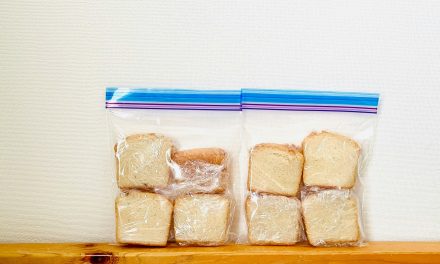
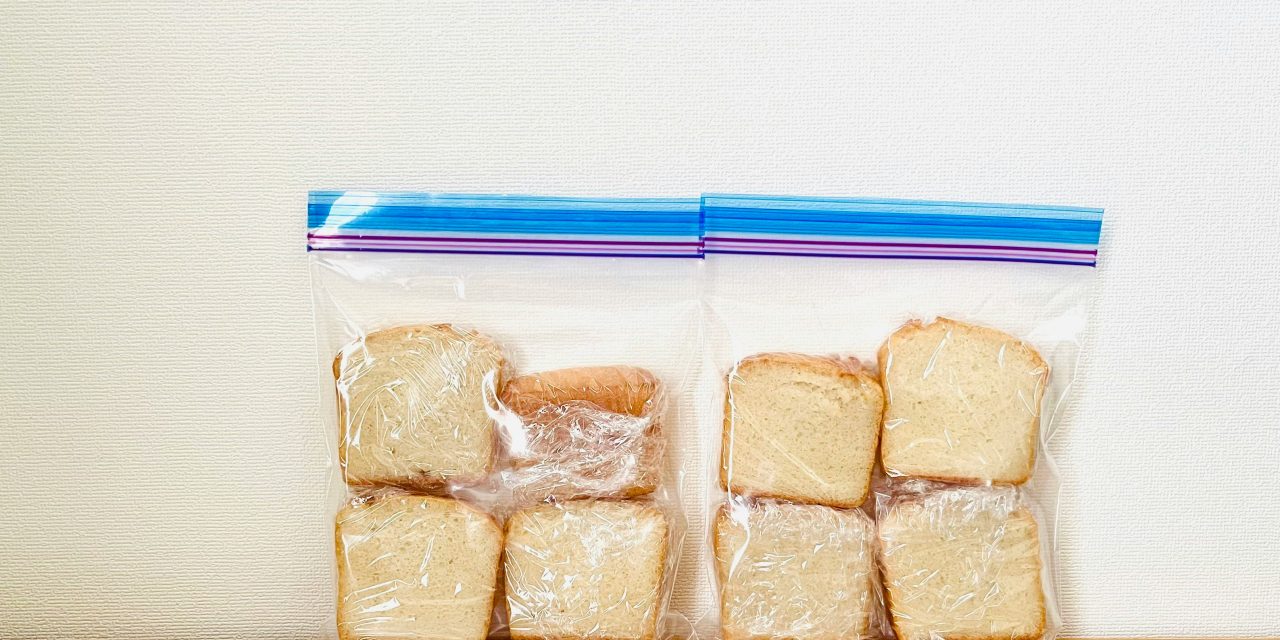
Freezing is an excellent method for preserving leftovers long-term; however, proper techniques must be followed for optimal results. Before freezing, ensure that foods are cooled completely and packaged in airtight containers or heavy-duty freezer bags to prevent freezer burn. Label each item with the date it was frozen for easy tracking.
When thawing frozen leftovers, it is crucial to do so safely to prevent bacterial growth. The safest methods include thawing in the refrigerator overnight or using cold water baths where items are submerged in cold water (changing the water every 30 minutes). Avoid thawing at room temperature as this can promote bacterial growth on the outer layers while the inner portions remain frozen.
In summary, understanding proper leftover storage techniques is vital for maintaining food safety and quality. By choosing appropriate containers, cooling foods quickly, labeling items accurately, maintaining ideal temperatures, following specific guidelines for different foods, reheating safely, avoiding cross-contamination, recognizing spoilage signs, and employing best practices for freezing and thawing, individuals can significantly reduce health risks associated with improper leftover storage while maximizing their culinary resources effectively.
FAQs
What is the best way to cool leftovers before storing them?
To cool leftovers safely, divide large portions into smaller, shallow containers. This allows the food to cool more quickly and evenly. Ideally, leftovers should be cooled to room temperature within two hours before being placed in the refrigerator or freezer.
How long can I safely store leftovers in the refrigerator?
Leftovers can be safely stored in the refrigerator for 3 to 4 days. After this period, the risk of foodborne illness increases, so it’s best to either consume or freeze the leftovers within this timeframe.
What is the proper way to reheat leftovers?
When reheating leftovers, ensure they reach an internal temperature of 165°F (74°C) to kill any harmful bacteria. Use a food thermometer for accuracy, and reheat evenly, stirring if necessary. Avoid reheating food multiple times, as this can increase the risk of food poisoning.
Can I freeze leftovers, and how should I do it?
Yes, you can freeze leftovers to extend their shelf life. Make sure to use airtight containers or freezer bags to prevent freezer burn. Label the containers with the date and contents, and consume frozen leftovers within 3 to 6 months for best quality.
What types of leftovers should not be stored?
Certain foods, such as those that have been left out at room temperature for more than two hours, should not be stored. Additionally, foods that have been reheated multiple times or have an unusual odor or appearance should be discarded to prevent food poisoning.