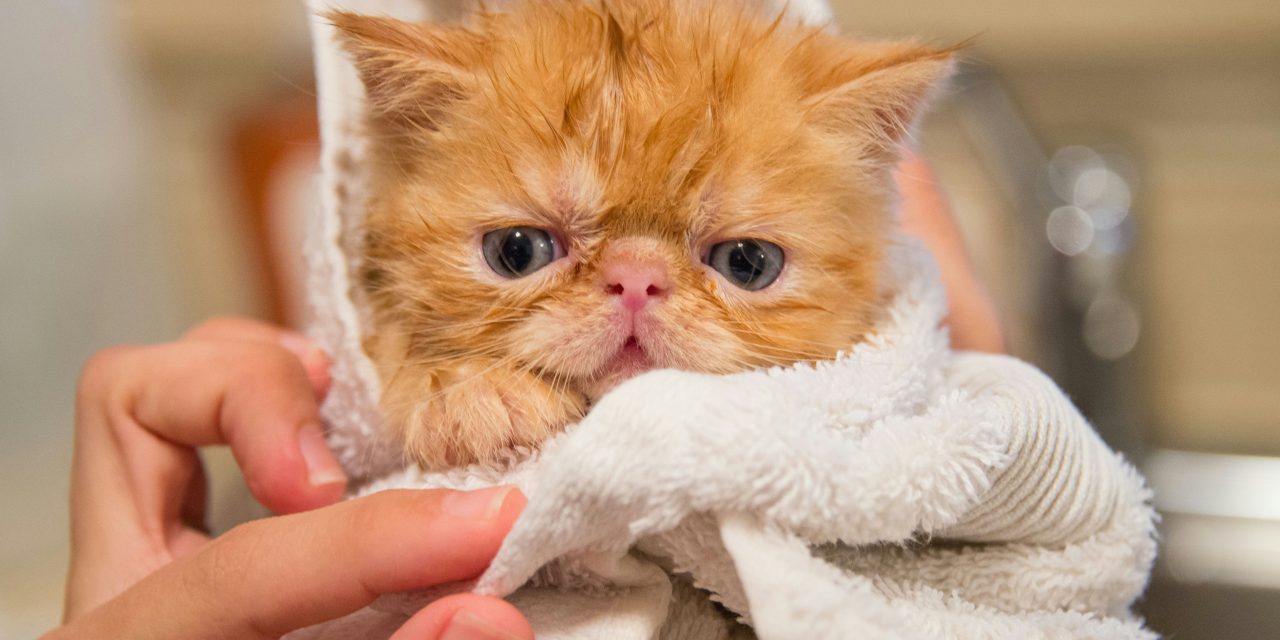
The Persian cat is renowned for its luxurious, long, and flowing coat, which is one of its most distinguishing features. This breed possesses a double-layered coat consisting of a soft undercoat and a longer, coarser outer coat. The undercoat provides insulation and warmth, while the outer coat serves as a protective barrier against environmental elements. The texture of the fur can vary from silky to slightly wavy, contributing to the breed’s overall elegance. Persian cats come in a variety of colors and patterns, including solid, tabby, bicolor, and Himalayan, each showcasing the beauty of their unique coat.
However, this magnificent coat requires diligent care to maintain its health and appearance. The long fur is prone to tangling and matting, which can lead to discomfort for the cat and potential skin issues if not addressed promptly. Understanding the specific characteristics of a Persian cat’s coat is crucial for any owner looking to provide optimal grooming and care. Regular grooming not only enhances the cat’s aesthetic appeal but also promotes skin health by stimulating blood circulation and distributing natural oils throughout the fur.
Essential Grooming Tools for Persian Cats
To effectively groom a Persian cat, it is essential to have the right tools at your disposal. A high-quality slicker brush is indispensable for removing loose hair and preventing matting. The fine bristles penetrate deep into the coat, effectively detangling knots without causing discomfort to the cat. Additionally, a wide-toothed comb is beneficial for working through any stubborn tangles and ensuring that the undercoat remains free of debris.
Another important tool is a pair of grooming scissors with rounded tips. These are useful for trimming any excessively matted areas or for tidying up around the face and paws. A dematting tool can also be helpful for more severe tangles, allowing for safe removal without pulling on the cat’s skin. Lastly, a good quality cat shampoo and conditioner designed specifically for long-haired breeds will aid in maintaining coat health during bathing sessions.
Establishing a Regular Grooming Routine

Creating a consistent grooming routine is vital for maintaining the health and beauty of a Persian cat’s coat. Ideally, grooming should occur at least two to three times per week; however, daily grooming is recommended for cats with particularly thick or long fur. Establishing this routine not only helps prevent matting but also allows for early detection of any skin issues or parasites that may arise.
To make grooming a positive experience, it is essential to introduce your cat to the process gradually. Start by allowing your Persian to become familiar with the grooming tools and the environment where grooming will take place. Use treats and gentle praise to create a positive association with grooming sessions. Over time, your cat will learn to enjoy this bonding experience, making it easier for both of you.
How to Properly Brush Your Persian Cat’s Fur

When brushing a Persian cat’s fur, it is important to approach the task with patience and care. Begin by gently parting the fur with your fingers to assess any tangles or mats that may be present. Using a slicker brush, start at the base of the neck and work your way down towards the tail in sections. Always brush in the direction of hair growth to avoid causing discomfort or pain.
For areas that are particularly matted or tangled, use a wide-toothed comb first to gently work through the knots before returning to the slicker brush. Be mindful of sensitive areas such as the belly and behind the ears; these spots may require extra caution. Regular brushing not only keeps the coat looking pristine but also helps reduce shedding around your home.
Techniques to Detangle and Remove Mats Safely
Detangling mats in a Persian cat’s coat requires a gentle touch and specific techniques to avoid causing pain or injury. Begin by identifying the location of the mat and assessing its severity. For minor tangles, use your fingers to gently separate the fur before employing a slicker brush or wide-toothed comb.
For more severe mats, consider using a dematting tool designed specifically for this purpose. These tools have sharp blades that can cut through mats without pulling on the skin. Always work from the outer edges of the mat towards the center, gradually loosening it without yanking on the fur. If you encounter resistance, stop and reassess; forcing through tangles can lead to injury or stress for your cat.
Bathing Your Persian Cat: When and How
Bathing a Persian cat is an essential part of their grooming regimen but should be done judiciously. Generally, cats do not require frequent baths unless they become particularly dirty or have skin conditions that necessitate cleansing. A bath every 4-6 weeks is typically sufficient for maintaining coat health.
When preparing for a bath, gather all necessary supplies beforehand: cat shampoo formulated for long-haired breeds, towels, and a non-slip mat for safety. Fill a tub or sink with lukewarm water and gently wet your cat’s fur while avoiding their face and ears. Apply shampoo sparingly, lathering it into the coat while being cautious around sensitive areas. Rinse thoroughly to ensure no residue remains, as leftover shampoo can irritate the skin.
Drying and Fluffing the Coat After Bathing
After bathing your Persian cat, proper drying techniques are crucial to prevent matting and maintain coat integrity. Begin by gently towel-drying your cat to remove excess water; avoid vigorous rubbing as this can cause tangles. Once most moisture is absorbed, consider using a pet-safe blow dryer on a low heat setting to further dry the coat.
While drying, use your fingers or a wide-toothed comb to fluff up the fur gently. This helps prevent mats from forming as the coat dries and allows you to check for any tangles that may need attention. Be sure to keep the blow dryer at a safe distance from your cat’s skin to avoid burns or discomfort.
Tips for Preventing Future Matting
Preventing future matting in a Persian cat’s coat involves proactive measures that include regular grooming and environmental considerations. One effective strategy is to maintain a consistent grooming schedule that includes daily brushing sessions. This not only removes loose hair but also helps distribute natural oils throughout the coat.
Additionally, consider creating a designated grooming space that is comfortable and free from distractions. This encourages your cat to associate grooming with positive experiences. Regularly checking for signs of mats during playtime or cuddle sessions can also help catch potential tangles before they become problematic.
Recognizing Signs of Skin Problems and Irritation
Being vigilant about your Persian cat’s skin health is essential for their overall well-being. Common signs of skin problems include excessive scratching, redness, swelling, or flaky skin. If you notice any unusual behavior such as biting at their fur or excessive grooming in specific areas, it may indicate an underlying issue such as allergies or parasites.
Regularly inspecting your cat’s skin during grooming sessions can help identify potential problems early on. Look for changes in texture or color of the skin beneath their fur, as well as any unusual lumps or bumps that may require veterinary attention.
Dietary and Health Considerations for a Healthy Coat
A healthy diet plays a significant role in maintaining a Persian cat’s luxurious coat. High-quality commercial cat food formulated specifically for long-haired breeds often contains essential fatty acids such as Omega-3 and Omega-6, which promote healthy skin and fur growth. Additionally, incorporating wet food into their diet can help maintain hydration levels, further supporting coat health.
Regular veterinary check-ups are also crucial in ensuring your cat remains healthy overall. Conditions such as hypothyroidism or skin allergies can impact coat quality; therefore, addressing any health concerns promptly can prevent further complications.
When to Seek Professional Grooming Help
While many owners can manage their Persian cat’s grooming needs at home, there are instances when professional assistance may be warranted. If you encounter severe matting that cannot be safely removed at home or if your cat exhibits signs of distress during grooming sessions, seeking help from a professional groomer experienced with long-haired breeds is advisable.
Additionally, if you notice persistent skin issues despite regular grooming or dietary adjustments, consulting with a veterinarian or veterinary dermatologist can provide valuable insights into underlying health concerns that may require specialized treatment.
In summary, caring for a Persian cat’s unique coat involves understanding its characteristics and implementing effective grooming practices. Regular brushing, bathing when necessary, and maintaining a healthy diet are essential components of this care regimen. By recognizing signs of potential issues early on and seeking professional help when needed, owners can ensure their feline companions remain healthy and beautiful throughout their lives.
FAQs
What tools are essential for grooming a Persian cat?
Essential grooming tools for a Persian cat include a wide-toothed comb, a slicker brush, and a pair of grooming scissors. The wide-toothed comb helps to detangle the fur, while the slicker brush removes loose hair and prevents matting. Grooming scissors can be used to trim any mats or uneven areas in the coat.
How often should I groom my Persian cat?
It is recommended to groom your Persian cat at least 2-3 times a week. However, daily grooming is ideal to prevent matting and to keep their coat healthy and shiny. Regular grooming also helps to reduce shedding and hairballs.
What are the signs of matting in a Persian cat’s coat?
Signs of matting in a Persian cat’s coat include clumps of fur that feel hard or tangled, areas where the fur is sticking together, and patches of skin that may be exposed. If you notice these signs, it is important to address them promptly to prevent discomfort for your cat.
Can I bathe my Persian cat, and how often should I do it?
Yes, you can bathe your Persian cat, and it is generally recommended to do so every 4-6 weeks. Bathing helps to keep their coat clean and can reduce the risk of matting. Use a gentle cat shampoo and ensure that you rinse thoroughly to avoid any residue that could irritate their skin.
What should I do if my Persian cat has severe matting?
If your Persian cat has severe matting, it is best to consult a professional groomer or veterinarian. Attempting to remove severe mats at home can cause pain or injury to your cat. A professional can safely remove the mats and provide advice on maintaining your cat’s coat in the future.