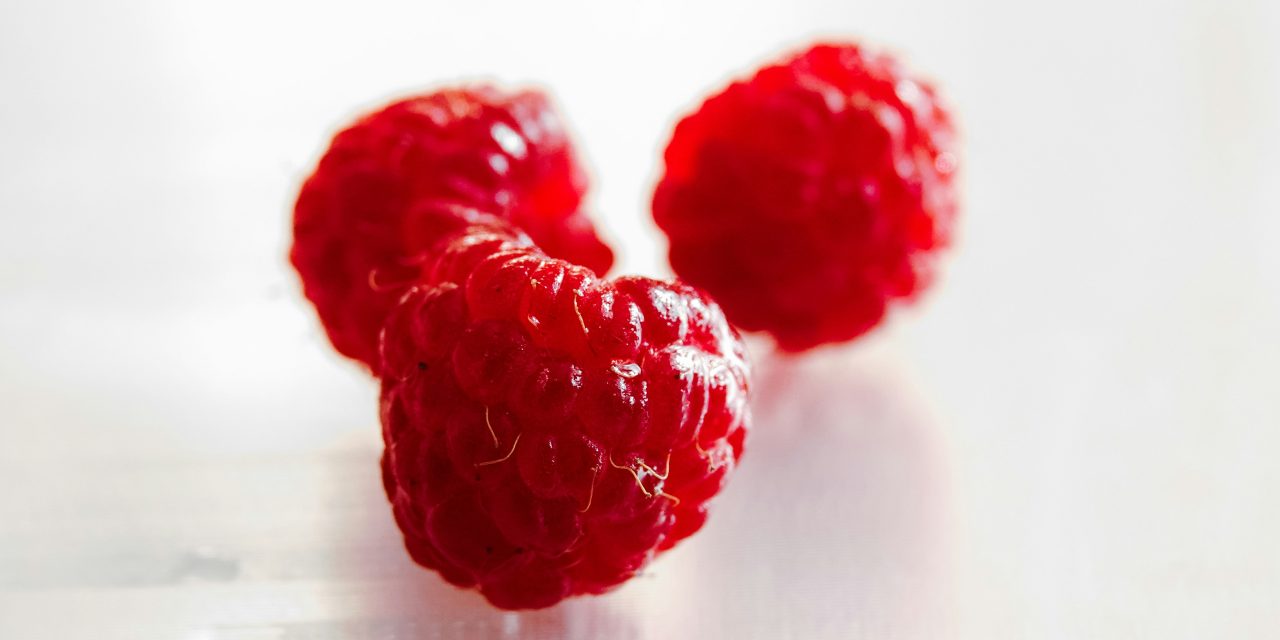
Raspberries (Rubus idaeus) are a delectable fruit known for their vibrant color, sweet-tart flavor, and numerous health benefits. However, their delicate structure makes them particularly susceptible to damage and spoilage. Comprised of tiny drupelets, each raspberry is a cluster of individual fruits that can easily bruise or crush under pressure. This fragility is exacerbated by their high moisture content, which can lead to rapid decay if not handled and stored properly.
The perishable nature of raspberries necessitates a thorough understanding of their biology and the factors that contribute to their shelf life. The fruit is rich in antioxidants, vitamins C and K, and dietary fiber, making it a popular choice among health-conscious consumers. However, the very qualities that make raspberries nutritious also render them vulnerable to microbial growth and enzymatic degradation. Therefore, it is crucial to implement effective storage techniques to preserve their freshness and nutritional value.
Choosing the Right Raspberries for Storage
Selecting high-quality raspberries is the first step in ensuring optimal storage and longevity. When purchasing, look for berries that are plump, firm, and vibrantly colored. Avoid any that exhibit signs of mold, excessive softness, or discoloration, as these indicate spoilage. The presence of moisture on the surface can also be a red flag; it often suggests that the berries have been improperly handled or stored.
Additionally, consider the seasonality of raspberries when making your selection. Fresh raspberries are typically available from late spring through early fall, with peak flavor occurring during the summer months. Purchasing locally grown berries can enhance freshness and reduce the time between harvest and consumption. If possible, opt for organic varieties to minimize exposure to pesticides and other chemicals that may affect both flavor and health.
Preparing Raspberries Before Storage

Before storing raspberries, it is essential to prepare them properly to maximize their shelf life. Begin by gently inspecting each berry for any signs of damage or spoilage. Discard any that appear compromised, as they can accelerate the decay of surrounding fruit. It is advisable to handle raspberries with care, using clean hands or utensils to avoid bruising.
Once sorted, consider placing the raspberries in a single layer on a clean paper towel or cloth. This allows for air circulation around each berry, reducing the risk of moisture accumulation that can lead to mold growth. If you plan to consume the raspberries within a few days, they can be stored in their original container; however, for longer storage periods, transferring them to a more suitable container may be beneficial.
Avoid Washing Raspberries Prematurely

One common mistake when handling raspberries is washing them before storage. While rinsing may seem like a logical step to remove dirt or contaminants, it can actually promote spoilage. Water can become trapped between the drupelets, creating an environment conducive to mold growth and decay. Therefore, it is advisable to wash raspberries only immediately before consumption.
If you feel it is necessary to clean the berries prior to storage, consider using a dry brush or cloth to gently remove any debris without introducing moisture. This method minimizes the risk of damage while ensuring that the fruit remains as fresh as possible for an extended period.
Selecting the Ideal Storage Container
The choice of storage container plays a pivotal role in maintaining the quality of raspberries. Ideally, containers should be breathable to allow for air circulation while preventing excess moisture buildup. Ventilated plastic containers or berry baskets are excellent options, as they provide adequate airflow while protecting the fruit from external pressure.
Avoid using airtight containers for raspberries, as these can trap moisture and create an environment conducive to mold growth. If using a non-ventilated container, consider placing a paper towel at the bottom to absorb excess moisture and prevent direct contact with the berries.
Using Paper Towels to Absorb Moisture
Incorporating paper towels into your raspberry storage strategy can significantly extend their freshness. By placing a layer of paper towels at the bottom of your storage container or between layers of berries, you can effectively absorb excess moisture that may accumulate over time. This simple yet effective technique helps mitigate the risk of mold growth and keeps raspberries firm and flavorful.
Additionally, consider replacing the paper towels periodically if you notice they have become damp. This proactive approach ensures that your raspberries remain in an optimal environment for as long as possible.
Properly Layering Raspberries to Prevent Crushing
When storing raspberries, proper layering is essential to prevent crushing and bruising. Avoid stacking multiple layers of berries on top of one another; instead, opt for a single layer whenever possible. If you must stack them due to space constraints, use dividers such as paper towels or parchment paper between layers to provide cushioning and reduce pressure on the lower berries.
This careful arrangement not only preserves the structural integrity of each raspberry but also enhances airflow around the fruit, further reducing the likelihood of spoilage.
Optimal Refrigeration Techniques for Raspberries
Refrigeration is one of the most effective methods for prolonging the shelf life of raspberries. Ideally, they should be stored in the refrigerator at temperatures between 32°F (0°C) and 36°F (2°C). This cool environment slows down enzymatic activity and microbial growth, helping maintain freshness.
When placing raspberries in the refrigerator, avoid storing them in areas with high humidity or near ethylene-producing fruits such as bananas and apples. Ethylene gas can accelerate ripening and spoilage in sensitive fruits like raspberries.
Freezing Raspberries Without Damaging Them
Freezing is an excellent option for preserving raspberries when you have an abundance or wish to extend their shelf life significantly. To freeze raspberries without compromising their texture or flavor, begin by washing them gently under cold water and patting them dry with a paper towel.
Next, spread the berries in a single layer on a baking sheet lined with parchment paper. This prevents them from clumping together during freezing. Place the baking sheet in the freezer until the berries are solid (approximately 2-4 hours), then transfer them to airtight freezer bags or containers for long-term storage.
Thawing Frozen Raspberries Safely
Thawing frozen raspberries requires careful consideration to maintain their quality. The best method is to transfer them from the freezer to the refrigerator and allow them to thaw gradually overnight. This slow thawing process helps preserve texture and flavor while minimizing moisture loss.
If you need to thaw raspberries quickly, place them in a bowl of cold water for approximately 30 minutes or use the microwave on a low power setting for short intervals. Avoid using hot water or high heat in the microwave, as this can lead to mushiness and loss of flavor.
Tips for Extending Shelf Life and Maintaining Freshness
To further extend the shelf life of raspberries and maintain their freshness, consider implementing these additional strategies:
1. **Store with Care**: Handle raspberries gently during transport and storage to minimize bruising.
2. **Monitor Temperature**: Keep your refrigerator at optimal temperatures (32°F – 36°F) for best results.
3. **Limit Exposure**: Keep raspberries away from direct sunlight and heat sources.
4. **Consume Promptly**: Aim to consume fresh raspberries within 3-5 days of purchase for optimal flavor.
5. **Consider Preservation**: Explore options such as making jams or jellies if you have excess berries that may spoil.
By following these guidelines, you can enjoy fresh raspberries for longer periods while maximizing their nutritional benefits.
In summary, understanding how to handle and store raspberries effectively is crucial for preserving their quality and extending their shelf life. From selecting high-quality fruit to employing proper refrigeration techniques and freezing methods, each step plays a vital role in maintaining freshness. By implementing these strategies, you can savor this delightful fruit while minimizing waste and maximizing enjoyment throughout its season.
FAQs
What is the best way to wash raspberries before storing them?
It is recommended to gently rinse raspberries under cool running water just before you plan to eat or use them. Washing them too early can introduce moisture that promotes mold growth. If you need to wash them in advance, do so carefully and dry them thoroughly with a paper towel.
How should I store raspberries to prevent crushing?
To prevent crushing, store raspberries in a single layer in a shallow container. Avoid stacking them, as the weight of the berries on top can crush those below. You can also use a container with ventilation holes to allow for air circulation.
Can I store raspberries in the refrigerator?
Yes, raspberries should be stored in the refrigerator to prolong their freshness. Ideally, keep them in the original packaging or transfer them to a breathable container lined with paper towels to absorb excess moisture.
How long can I store raspberries in the refrigerator?
Raspberries can typically be stored in the refrigerator for about 3 to 7 days. It’s best to consume them as soon as possible for optimal flavor and texture, as they are highly perishable.
Is it possible to freeze raspberries for long-term storage?
Yes, raspberries can be frozen for long-term storage. To do this, wash and dry them thoroughly, then spread them in a single layer on a baking sheet to freeze individually before transferring them to an airtight container or freezer bag. This prevents them from clumping together.