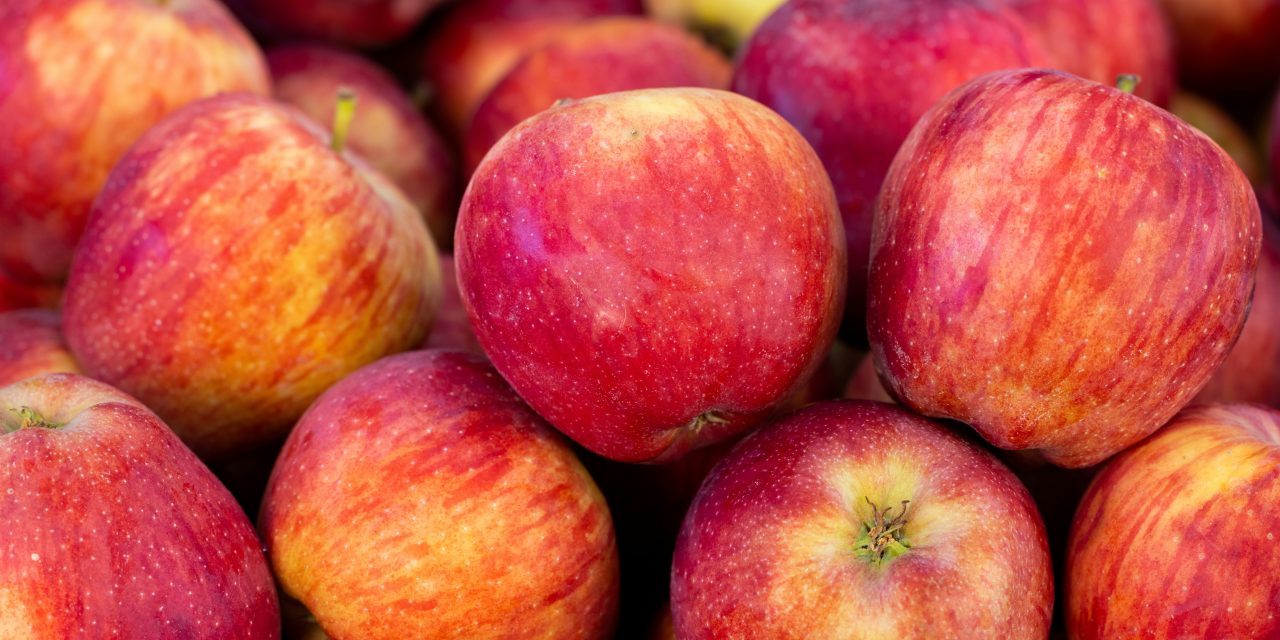
Selecting the appropriate apple varieties is crucial for successful long-term storage. Certain cultivars are inherently better suited for extended preservation due to their natural characteristics. Varieties such as Granny Smith, Fuji, Honeycrisp, and Braeburn are renowned for their firmness and ability to retain flavor over time. These apples possess a dense cellular structure that helps them withstand the rigors of storage, making them ideal candidates for those looking to enjoy fresh apples throughout the winter months.
When choosing apples, it is essential to consider not only the variety but also the harvest time. Apples harvested later in the season typically have higher sugar content and lower moisture levels, which contribute to their longevity. Additionally, selecting apples that are grown in optimal conditions—such as those that receive adequate sunlight and are cultivated in well-drained soil—can significantly enhance their storage potential. Therefore, understanding the characteristics of different apple varieties and their growing conditions is paramount for anyone interested in long-term apple storage.
Inspecting Apples for Quality and Damage
Before storing apples, a thorough inspection is necessary to ensure that only the best specimens are selected. Quality apples should exhibit a vibrant color, firm texture, and a pleasant aroma. Any signs of bruising, cuts, or blemishes can indicate that the fruit is compromised and may spoil more quickly. It is advisable to examine each apple individually, as even one damaged fruit can lead to a cascade of spoilage among its neighbors due to the release of ethylene gas.
In addition to visual inspection, tactile evaluation is equally important. Apples should feel firm when gently squeezed; any softness may suggest overripeness or internal decay. Furthermore, checking for signs of mold or insect damage can help identify potential issues before they escalate. By meticulously inspecting apples prior to storage, one can significantly extend their shelf life and maintain quality.
Preparing Apples Before Storage

Preparation is a critical step in ensuring that apples remain fresh during storage. Initially, it is advisable to wash apples gently under cool running water to remove any dirt or pesticide residues. However, it is essential to dry them thoroughly afterward, as excess moisture can promote mold growth and accelerate spoilage. Using a soft cloth or paper towel can effectively absorb moisture without damaging the skin.
Once cleaned and dried, it is beneficial to sort apples based on size and ripeness. Storing apples of similar sizes together can help ensure even ripening and reduce competition for nutrients. Additionally, removing any apples that show signs of damage or decay during this process will help maintain the overall quality of the stored batch. Proper preparation lays the groundwork for successful long-term storage.
Ideal Temperature and Humidity Conditions

The environment in which apples are stored plays a pivotal role in their longevity. Ideally, apples should be kept at temperatures between 30°F and 35°F (-1°C to 2°C). This range slows down respiration rates and enzymatic activity, which are responsible for ripening and spoilage. Maintaining a consistent temperature is crucial; fluctuations can lead to condensation and promote decay.
Humidity levels also significantly impact apple storage. A relative humidity of around 90% to 95% is optimal for preventing moisture loss while minimizing the risk of mold growth. Utilizing a hygrometer can help monitor humidity levels effectively. If humidity is too low, placing a shallow pan of water in the storage area can help maintain moisture levels. Conversely, if humidity is too high, ensuring proper ventilation can mitigate excess moisture.
Using Proper Storage Containers
Selecting appropriate storage containers is vital for preserving apple quality over time. Ventilated crates or bins made from breathable materials such as wood or cardboard are ideal choices, as they allow for air circulation while preventing moisture buildup. Avoid using plastic bags or airtight containers, as these can trap moisture and lead to accelerated spoilage.
When using bins or crates, it is advisable to line them with clean paper or cloth to absorb excess moisture while providing cushioning for the apples. Additionally, placing layers of newspaper between apples can help prevent bruising during storage. Properly chosen containers not only protect the fruit but also facilitate airflow, which is essential for maintaining freshness.
Storing Apples in the Refrigerator
Refrigeration is one of the most effective methods for prolonging apple freshness. When storing apples in the refrigerator, it is best to place them in the crisper drawer, where humidity levels are typically higher. This environment helps maintain optimal moisture levels while keeping apples cool.
To further enhance preservation, consider placing apples in perforated plastic bags or wrapping them in damp paper towels before placing them in the crisper drawer. This method helps retain moisture while allowing for some air circulation. Regularly checking the apples for any signs of spoilage is essential; removing any affected fruit promptly will prevent further deterioration of neighboring apples.
Utilizing Root Cellars and Cool Basements
For those with access to root cellars or cool basements, these environments can serve as excellent storage solutions for apples. Root cellars provide a naturally cool and dark space that mimics the conditions found in commercial storage facilities. The consistent temperature and humidity levels found in these spaces create an ideal environment for preserving apples over extended periods.
When utilizing a root cellar or basement, it is essential to ensure proper ventilation to prevent mold growth and maintain air quality. Storing apples on shelves or in bins allows for adequate airflow around each fruit. Additionally, keeping apples away from direct sunlight will help prevent premature ripening and spoilage.
Wrapping Apples Individually to Prevent Moisture Loss
Wrapping apples individually can be an effective strategy for minimizing moisture loss during storage. Using materials such as wax paper or tissue paper helps create a barrier that retains moisture while allowing for some air circulation. This method not only prevents dehydration but also reduces the risk of bruising during handling.
When wrapping apples, it is important to ensure that they are not tightly sealed; allowing some airflow will help prevent mold growth while still providing protection against moisture loss. This technique is particularly beneficial when storing apples in less-than-ideal conditions or when transporting them over longer distances.
Avoiding Ethylene Gas Exposure from Other Fruits
Ethylene gas plays a significant role in the ripening process of fruits, including apples. To prolong storage life, it is crucial to keep apples away from other ethylene-producing fruits such as bananas, avocados, and tomatoes. Exposure to ethylene gas can accelerate ripening and lead to premature spoilage.
To mitigate this risk, store apples separately from other fruits in designated areas of the refrigerator or pantry. Utilizing ethylene gas absorbers or placing bowls of vinegar nearby can also help reduce ethylene concentrations in storage areas. By minimizing exposure to this gas, one can significantly extend the shelf life of stored apples.
Regularly Checking and Rotating Stored Apples
Regular inspections of stored apples are essential for maintaining quality over time. It is advisable to check on stored fruit every few weeks to identify any signs of spoilage or decay early on. Removing any affected apples promptly will prevent them from impacting neighboring fruit.
Additionally, rotating stored apples by moving older ones to the front ensures that they are consumed first while allowing newer arrivals to remain fresh longer. This practice not only helps maintain quality but also encourages timely consumption of stored fruit.
Tips for Reviving Slightly Soft Apples to Restore Crispness
Even with careful storage practices, some apples may become slightly soft over time. Fortunately, there are methods to revive their crispness effectively. One popular technique involves soaking soft apples in cold water for about 30 minutes; this process helps rehydrate the fruit and restore its firmness.
Another method includes placing soft apples in a bowl with ice cubes and covering them with a damp cloth for several hours. The combination of cold temperatures and moisture can help rejuvenate the texture of slightly soft apples. While these techniques may not restore perfect crispness, they can significantly improve the eating experience.
In summary, selecting the right apple varieties and ensuring proper preparation before storage are fundamental steps toward maintaining freshness over time. Ideal temperature and humidity conditions play a crucial role in prolonging shelf life, while appropriate storage containers facilitate airflow and protect against spoilage. Utilizing refrigeration or root cellars enhances preservation efforts further, while individual wrapping minimizes moisture loss. Avoiding ethylene gas exposure from other fruits and regularly checking stored apples ensures quality maintenance throughout their lifespan. Lastly, employing techniques to revive slightly soft apples can enhance their texture and enjoyment even after extended storage periods.
FAQs
What is the best temperature to store apples for optimal crispness?
The ideal temperature for storing apples is between 30°F and 35°F (-1°C to 2°C). Keeping apples in a cool environment helps slow down their ripening process and maintains their crisp texture for a longer period.
Should apples be stored in a plastic bag or container?
Apples should not be stored in a sealed plastic bag, as this can trap moisture and lead to spoilage. Instead, use a breathable container or a perforated plastic bag to allow for air circulation while retaining some humidity.
How can I prevent apples from browning after cutting them?
To prevent browning, you can apply lemon juice or a mixture of water and vinegar to the cut surfaces of the apples. The acidity helps slow down the oxidation process that causes browning.
Is it better to store apples with other fruits or separately?
It is best to store apples separately from other fruits. Apples emit ethylene gas, which can accelerate the ripening of other fruits, leading to quicker spoilage. Keeping them apart helps maintain their freshness.
How long can I expect my apples to stay crisp when stored properly?
When stored properly in a cool, dark place, apples can remain crisp for several weeks, typically ranging from 4 to 8 weeks, depending on the variety and initial freshness of the apples.