Potatoes, a staple food in many cultures, are known for their versatility and nutritional value. However, one common issue that many home cooks face is the sprouting of potatoes during storage. This phenomenon occurs due to the natural growth process of the tuber. Potatoes are living organisms that respond to environmental stimuli, and when conditions are favorable, they begin to sprout. The sprouting process is triggered by factors such as warmth, moisture, and light. When potatoes are stored improperly, they can develop shoots, which can lead to a decline in quality and nutritional value.
The sprouting of potatoes is primarily a survival mechanism. When exposed to certain conditions, the potato perceives that it is in an environment conducive to growth. The eyes of the potato, which are actually dormant buds, begin to develop into shoots. While these sprouts are not harmful in small quantities, they can indicate that the potato is past its prime. Moreover, sprouted potatoes may contain solanine, a toxic compound that can cause gastrointestinal distress if consumed in large amounts. Understanding the reasons behind sprouting is crucial for effective storage and prolonging the shelf life of this essential food item.
Choosing the Right Potatoes for Storage
Selecting the appropriate variety of potatoes for storage is fundamental to minimizing sprouting and maximizing shelf life. Different potato varieties have varying storage capabilities. For instance, waxy potatoes such as Red Bliss or Yukon Gold tend to have a higher moisture content and are less suitable for long-term storage compared to starchy varieties like Russets or Idaho potatoes. Starchy potatoes have a lower moisture content and a thicker skin, making them more resilient during storage.
When choosing potatoes for storage, it is essential to inspect them carefully. Look for firm, unblemished tubers without any signs of decay or damage. Potatoes with cuts or bruises are more susceptible to rot and sprouting. Additionally, selecting smaller-sized potatoes can be advantageous, as they tend to store better than larger ones. By choosing the right variety and inspecting for quality, you can significantly reduce the likelihood of sprouting and ensure that your stored potatoes remain fresh for an extended period.
Preparing Potatoes Before Storage

Preparation is key when it comes to storing potatoes effectively. Before placing them in storage, it is advisable to clean them gently to remove any dirt or debris. However, avoid washing them with water as moisture can promote sprouting and decay. Instead, use a soft brush or cloth to wipe off any soil. After cleaning, allow the potatoes to dry completely before storage; this step is crucial in preventing mold growth.
Another important aspect of preparation is sorting the potatoes. Separate any that show signs of damage or sprouting from those that are healthy. This practice not only helps maintain the quality of the good potatoes but also prevents any potential spread of rot or disease. By taking these preparatory steps, you can create an optimal environment for your stored potatoes and extend their shelf life significantly.
Ideal Temperature for Potato Storage

Temperature plays a pivotal role in the preservation of stored potatoes. The ideal temperature range for potato storage is between 45°F (7°C) and 50°F (10°C). At these temperatures, the metabolic processes within the potato slow down significantly, reducing the likelihood of sprouting and decay. Storing potatoes at temperatures below 40°F (4°C) can lead to a condition known as “cold-induced sweetening,” where the starches in the potato convert to sugars, resulting in an undesirable taste and texture.
Conversely, temperatures above 50°F (10°C) can accelerate sprouting and lead to a decline in quality. Therefore, it is essential to monitor the storage environment closely and make adjustments as necessary. Utilizing a thermometer can help ensure that your potatoes are kept within the optimal temperature range, thereby prolonging their freshness and usability.
The Best Storage Containers for Potatoes
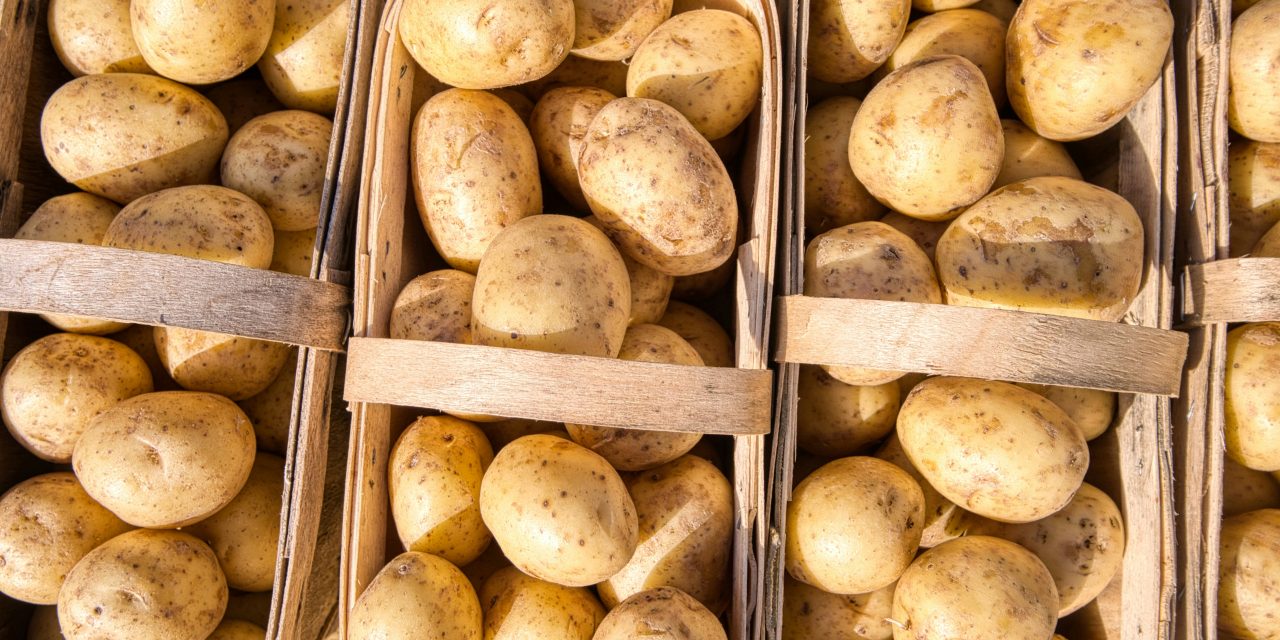
Choosing the right storage container is crucial for maintaining the quality of stored potatoes. Ideally, containers should allow for adequate air circulation while protecting the tubers from light exposure. Options such as burlap sacks, cardboard boxes with ventilation holes, or wooden crates are excellent choices for potato storage. These materials help regulate humidity levels while preventing moisture buildup that could lead to rot.
Avoid using plastic bags or airtight containers as they trap moisture and create an environment conducive to decay. Additionally, ensure that containers are clean and dry before placing potatoes inside. By selecting appropriate storage containers, you can create an environment that minimizes sprouting and maximizes the shelf life of your potatoes.
Controlling Humidity to Prevent Sprouting
Humidity control is another critical factor in preventing potato sprouting during storage. Potatoes thrive in environments with moderate humidity levels; however, excessive moisture can lead to rot and sprouting. The ideal relative humidity for potato storage is between 85% and 90%. To achieve this balance, consider using a hygrometer to monitor humidity levels in your storage area.
If humidity levels are too high, consider using a dehumidifier or placing silica gel packets in your storage containers to absorb excess moisture. Conversely, if humidity levels are too low, lightly misting the air around your stored potatoes can help maintain adequate moisture levels without saturating them. By effectively managing humidity levels, you can significantly reduce the risk of sprouting and spoilage.
Keeping Potatoes in the Dark
Light exposure is one of the primary triggers for potato sprouting. When potatoes are exposed to light, they begin to produce chlorophyll and develop green patches on their skin—a process known as greening. Not only does greening indicate that the potato is starting to sprout, but it also signifies an increase in solanine levels, which can be toxic if consumed in large quantities.
To prevent light exposure, store potatoes in a dark location such as a pantry or cellar. If using transparent containers or bags, consider wrapping them in opaque materials or placing them inside dark boxes to block out light completely. By ensuring that your stored potatoes remain in darkness, you can effectively inhibit sprouting and maintain their quality over time.
Avoiding Exposure to Ethylene Gas
Ethylene gas is a natural plant hormone produced by certain fruits and vegetables as they ripen. This gas can accelerate the ripening process of nearby produce, leading to premature spoilage and sprouting in potatoes. Common ethylene-producing fruits include apples, bananas, and avocados; therefore, it is essential to store potatoes away from these items.
To minimize exposure to ethylene gas, designate a separate storage area for your potatoes away from other produce. If you must store them together due to space constraints, consider using ethylene gas absorbers or placing activated charcoal near your stored potatoes to mitigate its effects. By controlling ethylene exposure, you can prolong the freshness of your stored potatoes and reduce the likelihood of sprouting.
Checking and Rotating Stored Potatoes Regularly
Regular inspection of stored potatoes is vital for maintaining their quality over time. It is advisable to check your stored tubers at least once every couple of weeks for any signs of sprouting or decay. Remove any affected potatoes immediately to prevent them from impacting the rest of your stock.
Additionally, rotating your stored potatoes can help ensure that older tubers are used first while fresher ones remain intact longer. This practice not only helps maintain quality but also reduces waste by ensuring that no potato goes unused until it spoils. By incorporating regular checks and rotations into your storage routine, you can effectively manage your potato supply.
Using Natural Sprout Inhibitors
Natural sprout inhibitors can be an effective solution for prolonging the shelf life of stored potatoes without resorting to chemical treatments. One popular option is using food-grade diatomaceous earth—a natural powder made from fossilized algae that can be sprinkled on potatoes before storage. This powder helps absorb moisture while creating a barrier against pests and pathogens.
Another natural method involves using essential oils such as clove oil or rosemary oil, which have been shown to possess anti-sprouting properties. A few drops mixed with water can be sprayed onto the surface of the potatoes before storage to deter sprouting effectively. By utilizing these natural alternatives, you can enhance your potato storage practices while minimizing chemical exposure.
Signs It’s Time to Use or Discard Stored Potatoes
Recognizing when it’s time to use or discard stored potatoes is crucial for maintaining food safety and quality. Signs that indicate a potato has reached its expiration point include excessive sprouting, soft spots, shriveling skin, or an unpleasant odor emanating from the tuber. If any potato exhibits these characteristics, it is best to discard it immediately.
Conversely, if you notice minor sprouting but the potato remains firm and free from decay, you can still salvage it by removing the sprouts before cooking. Always prioritize safety when consuming stored produce; if there’s any doubt about its edibility, it’s better to err on the side of caution and dispose of it.
In summary, effective potato storage requires understanding why they sprout and implementing various strategies to prevent this issue. By choosing suitable varieties for storage, preparing them properly before placement in containers, maintaining ideal temperature and humidity levels, keeping them dark and away from ethylene gas exposure while regularly checking their condition—one can significantly extend their shelf life while ensuring quality remains intact throughout their use.
FAQs
What is the best temperature to store potatoes?
The ideal temperature for storing potatoes is between 45°F and 50°F (7°C to 10°C). This temperature range helps to slow down the sprouting process while preventing spoilage.
Should potatoes be stored in the dark?
Yes, potatoes should be stored in a dark environment. Exposure to light can cause potatoes to produce chlorophyll, leading to greening and the formation of solanine, which is toxic in large amounts.
Can I store potatoes in the refrigerator?
It is not recommended to store potatoes in the refrigerator. Cold temperatures can convert the starches in potatoes into sugars, resulting in an undesirable sweet flavor and a gritty texture.
What type of container is best for storing potatoes?
Potatoes should be stored in a well-ventilated container, such as a burlap sack, paper bag, or a cardboard box. This allows for air circulation, which helps to prevent moisture buildup and sprouting.
How can I prevent potatoes from sprouting?
To prevent potatoes from sprouting, store them in a cool, dark, and dry place, away from onions and other produce that emit ethylene gas. Additionally, regularly check your potatoes and remove any that show signs of sprouting or decay.