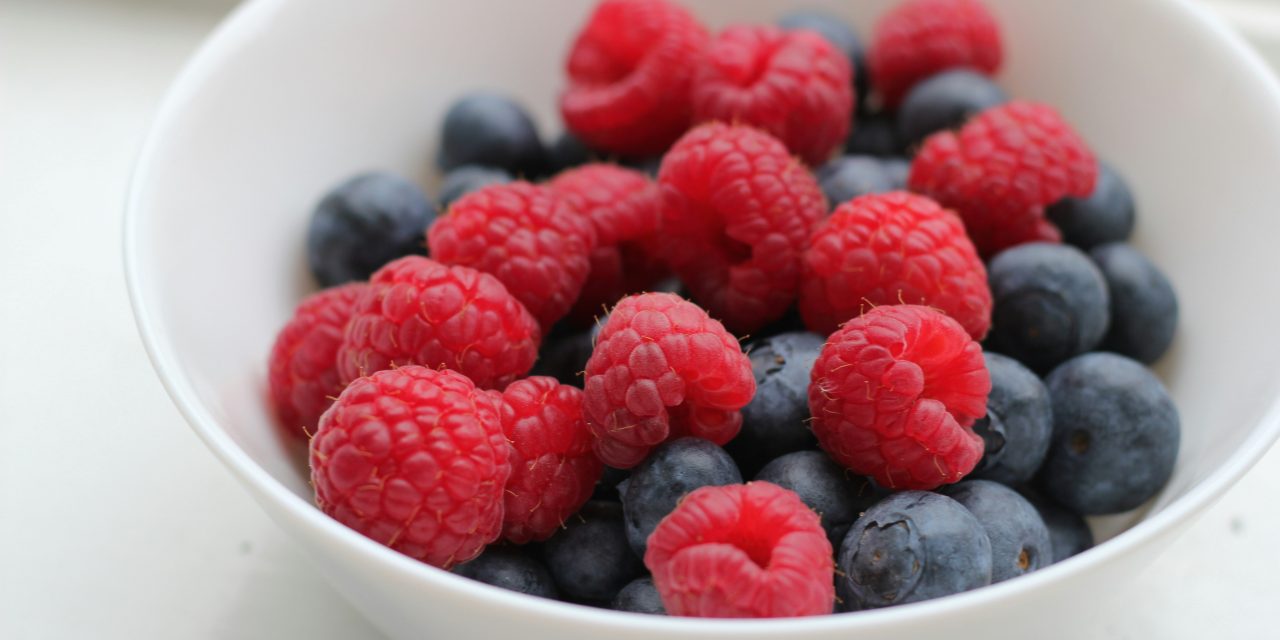
When it comes to preserving the delightful flavors and nutritional benefits of berries, selecting the right varieties is paramount. Not all berries freeze equally well; some maintain their texture and taste better than others. The most commonly frozen berries include strawberries, blueberries, raspberries, and blackberries. Each of these fruits possesses unique characteristics that influence their freezing potential. For instance, blueberries are renowned for their firm skin and high antioxidant content, making them an excellent candidate for freezing. Strawberries, with their juicy flesh, can also be frozen effectively if prepared correctly.
In addition to the type of berry, it is essential to consider ripeness. Berries should be harvested at their peak ripeness for optimal flavor and nutritional value. Overripe berries may become mushy upon thawing, while underripe ones may lack sweetness. When selecting berries for freezing, look for vibrant colors, firm textures, and a fresh aroma. Avoid any that show signs of mold or bruising, as these can compromise the quality of your frozen stash. By choosing the right berries, you set the foundation for a successful freezing process that preserves both taste and health benefits.
Preparing Berries: Washing and Drying Tips
Proper preparation is crucial to ensure that frozen berries retain their quality during storage. Begin by washing the berries thoroughly under cold running water to remove any dirt, pesticides, or contaminants. It is advisable to use a colander or a fine mesh strainer to facilitate this process. Gently agitate the berries while rinsing to ensure that all surfaces are cleaned without damaging their delicate structure.
After washing, drying the berries is equally important. Excess moisture can lead to ice crystals forming during freezing, which may result in clumping and loss of texture. To dry the berries effectively, spread them out on a clean kitchen towel or paper towels in a single layer. Allow them to air dry for about 15-30 minutes. Alternatively, you can use a salad spinner to remove excess water quickly. Ensuring that your berries are adequately dried will significantly enhance their quality once thawed.
Removing Stems and Leaves Properly

Once your berries are washed and dried, the next step involves removing any stems and leaves. This process is particularly important for strawberries and raspberries, which often come with green tops that can detract from the overall flavor and presentation of your frozen product. For strawberries, use a sharp paring knife to carefully cut away the green hull while minimizing the loss of fruit flesh. This technique not only enhances the aesthetic appeal but also prevents any bitter flavors from leaching into your frozen berries.
For raspberries and blackberries, gently pinch the stem end to detach it from the fruit without squishing the berry itself. This method preserves the integrity of the berry while ensuring that only the edible portion is frozen. Taking the time to remove stems and leaves properly will contribute to a more enjoyable experience when you eventually thaw and use your frozen berries in various culinary applications.
Using a Single Layer Freezing Method

One of the most effective techniques for freezing berries is employing a single layer freezing method. This approach prevents the berries from sticking together during storage, allowing for easy portioning later on. To implement this method, begin by placing your prepared berries in a single layer on a baking sheet lined with parchment paper or wax paper. Ensure that there is enough space between each berry to allow for proper air circulation.
Once arranged, place the baking sheet in the freezer for several hours or until the berries are completely frozen solid. This initial freezing phase is crucial as it locks in flavor and texture while preventing clumping. After achieving a solid freeze, you can transfer the berries into storage bags or containers without worrying about them sticking together. This method not only simplifies future use but also maintains the quality of your frozen berries over time.
The Importance of Parchment or Wax Paper
Utilizing parchment or wax paper during the freezing process serves multiple purposes that enhance the overall quality of your frozen berries. First and foremost, these materials create a non-stick surface that prevents berries from adhering to each other or to the baking sheet during freezing. This characteristic is particularly beneficial when dealing with juicy fruits like strawberries or raspberries, which tend to release moisture.
Additionally, parchment paper helps absorb excess moisture during the freezing process, further reducing the risk of ice crystal formation on the berries. This feature is essential for maintaining texture and flavor integrity once thawed. Furthermore, using parchment or wax paper makes cleanup easier after freezing, as it prevents juices from leaking onto your baking sheets or freezer surfaces. Overall, incorporating these materials into your freezing routine can significantly enhance your berry preservation efforts.
Flash Freezing: Step-by-Step Guide
Flash freezing is an advanced technique that maximizes the quality of frozen berries by rapidly freezing them at extremely low temperatures. This method minimizes ice crystal formation within the fruit cells, preserving texture and flavor upon thawing. To execute flash freezing effectively, follow these steps:
1. **Prepare Your Berries**: Begin by washing, drying, and removing stems as previously described.
2. **Arrange on Baking Sheet**: Spread your prepared berries in a single layer on a baking sheet lined with parchment paper.
3. **Pre-Freeze**: Place the baking sheet in a pre-cooled freezer set to its lowest temperature (ideally below 0°F or -18°C) for about 1-2 hours.
4. **Check for Firmness**: After this time, check if the berries are completely frozen solid.
5. **Transfer to Storage**: Once frozen, transfer the berries into airtight freezer bags or containers for long-term storage.
By employing flash freezing techniques, you can ensure that your berries maintain their delightful taste and texture even after extended periods in the freezer.
Transferring Frozen Berries to Storage Bags
Once your berries have been flash-frozen or frozen in a single layer, it’s time to transfer them into storage bags or containers for long-term preservation. Choose high-quality freezer bags designed specifically for low-temperature storage; these bags are thicker and more durable than regular plastic bags, providing better protection against freezer burn.
When transferring your frozen berries, avoid overcrowding the bags; instead, fill them with just enough fruit to allow for easy sealing and minimal air exposure. Squeeze out as much air as possible before sealing to prevent oxidation and freezer burn. Label each bag with the type of berry and date of freezing to keep track of freshness over time.
Selecting the Best Freezer Bags or Containers
Choosing appropriate storage options is critical for maintaining the quality of your frozen berries over time. Opt for heavy-duty freezer bags or airtight containers made from materials designed to withstand low temperatures without compromising structural integrity. Look for bags that are BPA-free and specifically labeled as freezer-safe.
For those who prefer containers over bags, glass jars with airtight lids or plastic containers designed for freezer use are excellent choices. Ensure that there is minimal headspace in containers to reduce air exposure and prevent freezer burn. By selecting high-quality storage options, you can significantly extend the shelf life of your frozen berries while preserving their flavor and nutritional value.
Labeling and Dating Your Frozen Berries
Proper labeling and dating of your frozen berry storage is essential for maintaining organization and ensuring optimal freshness over time. Use waterproof markers or labels to clearly indicate the type of berry contained within each bag or container along with the date of freezing. This practice allows you to easily identify what you have on hand and helps you prioritize usage based on age.
Most frozen berries maintain optimal quality for about 6-12 months when stored correctly; however, they remain safe to consume beyond this timeframe if kept at consistent low temperatures. Regularly checking your inventory will help you avoid waste and ensure that you enjoy your frozen fruits at their best quality.
Tips for Thawing Without Clumping
Thawing frozen berries can sometimes lead to clumping due to moisture release during the process; however, there are effective strategies to minimize this issue. One recommended method is to thaw berries gradually in the refrigerator overnight rather than using heat sources like microwaves or hot water that can cause uneven thawing.
If you need to thaw them quickly, place them in a colander under cold running water for several minutes until they reach your desired consistency. This method helps maintain individual berry integrity while preventing excessive moisture accumulation that leads to clumping.
Creative Uses for Frozen Berries in Recipes
Frozen berries are incredibly versatile ingredients that can elevate various culinary creations beyond simple snacking options. They can be incorporated into smoothies for a refreshing breakfast or snack packed with antioxidants and vitamins. Additionally, they serve as excellent toppings for yogurt parfaits or oatmeal bowls.
Berries can also be used in baking recipes such as muffins, pancakes, or pies where their natural sweetness complements other flavors beautifully. For those looking to experiment with savory dishes, consider adding thawed berries to salads or sauces for an unexpected burst of flavor that balances acidity with sweetness.
In summary, preserving fresh berries through proper freezing techniques allows you to enjoy their delightful flavors year-round while maximizing their nutritional benefits. By selecting high-quality fruits, preparing them correctly, employing effective freezing methods like flash freezing, and utilizing appropriate storage solutions, you can ensure that your frozen berry stash remains delicious and nutritious long after harvest season has ended.
In conclusion, mastering the art of freezing berries involves careful selection, meticulous preparation, and strategic storage techniques that preserve their quality over time. By following these guidelines and incorporating creative uses into your culinary repertoire, you can enjoy delicious frozen berries throughout the year while minimizing waste and maximizing flavor potential in your dishes.
FAQs
What is the best method to freeze berries without them sticking together?
The best method to freeze berries without them sticking together is to first wash and dry them thoroughly. Then, spread the berries in a single layer on a baking sheet and place them in the freezer for a few hours until they are frozen solid. Once frozen, transfer the berries to airtight containers or freezer bags for long-term storage.
Can I freeze different types of berries together?
Yes, you can freeze different types of berries together, but it is recommended to freeze them separately first to prevent them from sticking together. Once they are individually frozen, you can combine them in one container or bag for easier storage.
How long can frozen berries be stored in the freezer?
Frozen berries can typically be stored in the freezer for up to 6 to 12 months. However, for the best quality and flavor, it is advisable to use them within the first 6 months.
Do I need to blanch berries before freezing them?
No, blanching is not necessary for most berries before freezing. In fact, blanching can alter the texture and flavor of delicate berries. Simply washing and drying them is sufficient before freezing.
What is the best way to thaw frozen berries?
The best way to thaw frozen berries is to transfer them from the freezer to the refrigerator and let them thaw slowly overnight. Alternatively, you can place them in a bowl of cold water for a quicker thawing process. Avoid using a microwave, as it can cause uneven thawing and affect the texture.