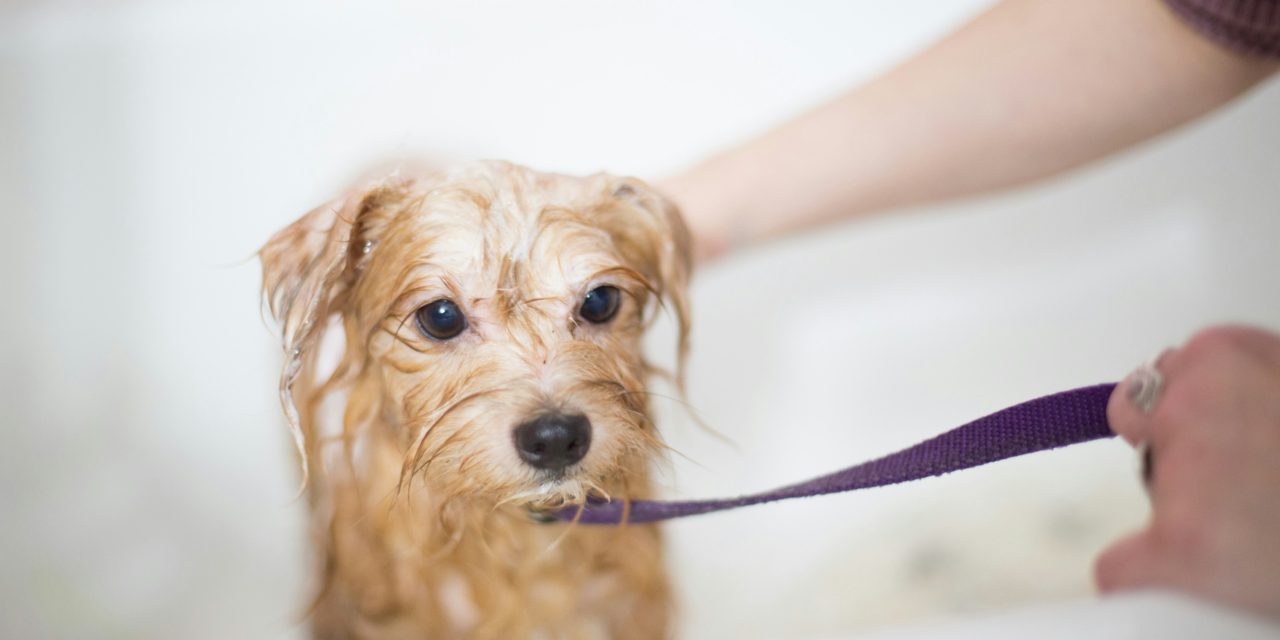
Dogs, like humans, exhibit a range of preferences and aversions, and for some canines, water is a source of anxiety rather than enjoyment. Understanding the underlying reasons for this aversion is crucial for pet owners seeking to create a more positive bathing experience. Several factors contribute to a dog’s dislike of water, including past traumatic experiences, genetic predispositions, and sensory sensitivities. For instance, a dog that has had a negative encounter with water—such as being submerged unexpectedly or experiencing a harsh spray—may develop a lasting fear. Additionally, certain breeds are more predisposed to water aversion due to their natural instincts or lack of familiarity with aquatic environments.
Moreover, sensory sensitivities play a significant role in a dog’s reaction to water. The sound of running water, the sensation of wet fur, and the temperature of the water can all be overwhelming for some dogs. This heightened sensitivity can lead to stress responses such as barking, whining, or attempting to escape the bathing area. Understanding these factors allows pet owners to approach the bathing process with empathy and tailored strategies that cater to their dog’s unique needs.
Preparing the Bathing Area for Success
Creating an inviting and secure bathing environment is essential for easing your dog’s anxiety around water. Start by selecting a location that minimizes distractions and noise, such as a quiet bathroom or laundry room. Ensure that the area is free from slippery surfaces by using non-slip mats or towels to provide stability for your dog. This precaution not only enhances safety but also fosters a sense of security during the bathing process.
Additionally, consider the temperature of the water. Dogs are sensitive to temperature changes, so it is vital to use lukewarm water that is comfortable against their skin. A gentle spray nozzle or handheld showerhead can provide better control over water flow, allowing you to adjust the pressure according to your dog’s comfort level. By preparing the bathing area thoughtfully, you set the stage for a more positive experience that can help alleviate your dog’s fear of water.
Choosing the Right Shampoo and Supplies

Selecting appropriate grooming products is crucial for ensuring your dog’s comfort during bath time. Opt for shampoos specifically formulated for canine use, as human shampoos can disrupt the natural pH balance of a dog’s skin and lead to irritation. Look for hypoallergenic options if your dog has sensitive skin or allergies. Ingredients such as oatmeal or aloe vera can provide soothing properties that help alleviate discomfort during washing.
In addition to shampoo, gather essential supplies such as towels, brushes, and treats. A soft brush can help detangle fur before bathing, reducing stress during the process. Having several absorbent towels on hand will facilitate drying afterward and keep your dog comfortable. Furthermore, consider using a waterproof apron or clothing to protect yourself from splashes while maintaining a clean environment.
Gradual Introduction to Water

Introducing your dog to water gradually is key to overcoming their fear. Start by allowing them to explore water in a controlled manner without the pressure of a full bath. Fill a shallow basin or kiddie pool with just a few inches of water and encourage your dog to investigate at their own pace. Use toys or treats to entice them into the water, creating positive associations with this new experience.
Once your dog shows curiosity about shallow water, you can gradually increase the depth over time. This slow acclimatization helps build confidence and reduces anxiety associated with being submerged. Always monitor your dog’s body language during these sessions; signs of stress such as panting or attempting to escape indicate that you should take a step back and allow them more time to adjust.
Using Positive Reinforcement Techniques
Positive reinforcement is an effective training method that can significantly improve your dog’s attitude toward bathing. Rewarding desired behaviors with treats, praise, or playtime encourages your dog to associate bath time with positive experiences. Begin by rewarding your dog for simply approaching the bathing area or showing interest in water.
As you progress through the bathing process, continue to reinforce calm behavior with rewards. For example, if your dog remains relaxed while you wet their fur or apply shampoo, offer treats and verbal praise. This consistent reinforcement helps create a positive feedback loop that encourages your dog to remain calm and cooperative during future baths.
Starting with a Dry Bath or Waterless Shampoo
For dogs that are particularly resistant to water, starting with a dry bath or waterless shampoo can be an effective alternative. These products are designed to clean your dog’s coat without the need for rinsing, making them ideal for anxious pets. Waterless shampoos typically come in spray or foam form and contain ingredients that help lift dirt and odors from the fur.
To use a dry bath product effectively, follow the manufacturer’s instructions carefully. Apply the product evenly across your dog’s coat while avoiding sensitive areas such as the eyes and ears. Gently massage it into their fur using your fingers or a soft cloth, allowing it to work its magic without overwhelming your dog with water exposure. This method not only cleanses but also serves as an excellent introduction to grooming routines.
Making the Bath Comfortable and Calm
Creating a calm atmosphere during bath time is essential for reducing stress levels in your dog. Consider playing soft music or using calming scents such as lavender to create a soothing environment. Speak in gentle tones throughout the process, reassuring your dog that everything is okay.
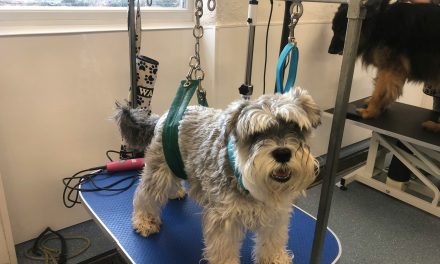
Additionally, ensure that your dog feels secure by using a harness or leash if necessary. This provides you with better control while preventing sudden movements that could lead to panic. Allow breaks during the bath if your dog appears overwhelmed; this demonstrates respect for their comfort and reinforces trust in you as their caregiver.
Techniques for Wetting Your Dog Safely
When it comes time to wet your dog, employing safe techniques is crucial for minimizing anxiety and ensuring their comfort. Begin by using a handheld showerhead or cup to gently pour water over their back rather than directly on their face or ears. This approach allows you to control the flow of water while avoiding sudden splashes that could startle them.
Start at the rear end of your dog and gradually work your way forward, allowing them time to adjust to each new sensation. If your dog shows signs of distress, pause and offer reassurance before continuing. Always be mindful of their body language; if they appear uncomfortable or frightened, take a step back and allow them time to acclimate before proceeding further.
How to Rinse Without Stressing Your Dog
Rinsing is an essential part of the bathing process but can be particularly stressful for dogs that dislike water. To make this step more manageable, use lukewarm water and maintain a gentle flow throughout the rinsing process. Focus on rinsing from the neck down first before addressing areas around the face and ears.
When rinsing near sensitive areas such as the face, consider using a damp cloth instead of direct water flow. This technique allows you to clean without overwhelming your dog with splashes while still ensuring thorough cleansing. Always keep an eye on their reactions; if they seem anxious or uncomfortable, take breaks and offer treats or praise as encouragement.
Drying Your Dog Gently and Effectively
After rinsing, drying your dog properly is crucial for their comfort and health. Use absorbent towels to gently pat down their coat rather than rubbing vigorously, which can cause discomfort or matting in longer fur. Focus on areas where moisture tends to accumulate, such as underbelly and paws.
If your dog tolerates it, consider using a low-heat blow dryer on a gentle setting from a distance—this can help speed up drying while keeping them comfortable. Always monitor their reactions closely; if they show signs of distress from the noise or sensation, revert back to towel drying exclusively.
Post-Bath Rewards and Building Future Trust
Once bath time is complete, it’s essential to reinforce positive associations through rewards and affection. Offer treats immediately after drying as well as verbal praise for their cooperation throughout the process. This reinforces good behavior and helps build trust between you and your dog.
Incorporating playtime after bath sessions can also enhance positive associations with water-related activities in general. Engaging in fun games or outdoor activities allows your dog to associate bath time with enjoyable experiences rather than stressors.
In summary, understanding why some dogs dislike water is crucial for creating effective strategies that promote comfort during bathing sessions. By preparing an inviting environment, choosing appropriate products, introducing water gradually, employing positive reinforcement techniques, and ensuring comfort throughout each step of the process, pet owners can transform bath time into a more enjoyable experience for their furry companions. With patience and consistency, even the most water-averse dogs can learn to accept—and perhaps even enjoy—their baths over time.
FAQs
What are some signs that my dog hates water?
Signs that your dog hates water may include cowering or trying to escape when near water, excessive barking or whining, growling, or showing signs of anxiety such as panting or pacing. Additionally, some dogs may try to dig or scratch at the ground to avoid getting wet.
How can I prepare my dog for a bath if they dislike water?
To prepare your dog for a bath, start by creating a calm environment. Use treats and positive reinforcement to associate bath time with something enjoyable. Gradually introduce your dog to water by using a damp cloth or sponge to wipe them down before moving to a full bath. Allow them to explore the bathing area without pressure.
What alternatives can I use instead of a traditional bath?
If your dog hates water, consider alternatives such as dry shampoos or waterless dog wipes specifically designed for pets. These products can help clean your dog without the need for a full bath. Additionally, you can use a damp cloth to spot clean areas that need attention.
How can I make bath time more enjoyable for my dog?
To make bath time more enjoyable, try using toys or treats to distract and reward your dog during the process. You can also play calming music and ensure the water temperature is comfortable. Bathing in a familiar space, like the kitchen sink or bathtub, can also help reduce anxiety.
What should I do if my dog becomes aggressive during bath time?
If your dog becomes aggressive during bath time, it’s important to remain calm and avoid punishing them, as this can increase their fear. Stop the bath immediately and give them space. Consider consulting a professional dog trainer or behaviorist to address the underlying issues and help desensitize your dog to water gradually.