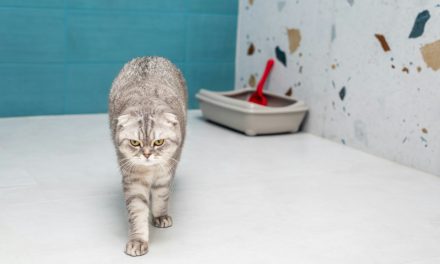
Cats are inherently clean animals, often exhibiting specific behaviors when it comes to their elimination habits. A typical cat will instinctively seek out a designated area to relieve itself, usually a litter box, which serves as a safe and familiar environment. Normal litter box behavior includes digging in the litter, squatting to urinate or defecate, and covering their waste afterward. These actions are not merely instinctual; they are also rooted in their evolutionary history, where burying waste helped avoid detection by predators.
Understanding these behaviors is crucial for cat owners. A healthy cat will generally use the litter box consistently, and any deviation from this norm can indicate underlying issues. Factors such as age, health status, and environmental changes can influence a cat’s litter box habits. Observing your cat’s behavior closely can provide insights into their well-being and help identify potential problems early on.
Common Medical Causes for Inappropriate Elimination
Inappropriate elimination can stem from various medical conditions that affect a cat’s urinary or gastrointestinal systems. One prevalent issue is feline lower urinary tract disease (FLUTD), which encompasses a range of disorders affecting the bladder and urethra. Symptoms may include frequent urination, straining to urinate, or blood in the urine. Another common medical cause is constipation, which can lead to discomfort and result in a cat avoiding the litter box altogether.
Other medical conditions that may contribute to inappropriate elimination include urinary tract infections (UTIs), kidney disease, diabetes mellitus, and hyperthyroidism. Each of these conditions can significantly impact a cat’s ability to use the litter box properly. Therefore, it is essential for cat owners to monitor their pets for any signs of distress or changes in elimination patterns and seek veterinary advice promptly.
Stress and Anxiety: How They Affect Your Cat’s Bathroom Habits

Stress and anxiety are significant factors that can disrupt a cat’s normal litter box behavior. Cats are sensitive creatures, and changes in their environment—such as moving to a new home, the introduction of new pets, or alterations in their daily routine—can trigger anxiety. When stressed, a cat may exhibit avoidance behaviors, including refusing to use the litter box.
Additionally, stress-induced elimination issues can manifest as urinating outside the litter box or even inappropriately defecating in areas of the home. Understanding the triggers of your cat’s anxiety is crucial for addressing these behaviors effectively. Providing a stable environment, engaging in interactive play, and utilizing calming products such as pheromone diffusers can help alleviate stress and restore normal bathroom habits.
The Role of Litter Box Cleanliness and Maintenance

The cleanliness of the litter box plays a pivotal role in encouraging proper elimination behavior in cats. Cats are naturally inclined to avoid soiled areas; thus, a dirty litter box can deter them from using it. Regular maintenance is essential—scooping out waste daily and changing the litter entirely at least once a week is recommended to maintain hygiene.
Moreover, the type of litter used can also influence a cat’s willingness to use the box. Some cats may prefer clumping litter that allows for easy waste removal, while others might favor non-clumping varieties. Ensuring that the litter box is kept clean and appealing will significantly enhance its attractiveness to your feline companion.
Choosing the Right Litter and Litter Box Type
Selecting the appropriate litter and litter box type is crucial for promoting healthy elimination habits in cats. There are various types of litter available on the market, including clay-based, biodegradable, and crystal litters. Each type has its pros and cons; for instance, clay-based litters are absorbent but may produce dust that irritates some cats’ respiratory systems.
The size and design of the litter box also matter. A larger box may be more comfortable for bigger breeds or older cats with mobility issues. Additionally, covered boxes can provide privacy but may trap odors if not cleaned regularly. Experimenting with different combinations of litter types and box designs can help identify what works best for your cat’s preferences.
Territorial Marking and Behavioral Issues
Territorial marking is another behavioral issue that can lead to inappropriate elimination in cats. This behavior often arises from stress or competition with other animals in the household. Male cats are particularly prone to marking their territory by spraying urine, which serves as a communication method to establish dominance or signal reproductive availability.
To address territorial marking, it is essential to identify the underlying causes of stress or competition among pets. Providing separate resources—such as food bowls, scratching posts, and resting areas—can help reduce tension between animals. Additionally, spaying or neutering cats can significantly decrease marking behaviors associated with mating instincts.
Changes in Household Environment Impacting Your Cat
Cats thrive on routine and familiarity; thus, any significant changes in their household environment can lead to confusion and anxiety. Moving furniture, introducing new pets or family members, or even changes in your schedule can disrupt your cat’s sense of security. Such alterations may result in inappropriate elimination as a response to stress.
To mitigate these effects, it is advisable to introduce changes gradually and provide your cat with safe spaces where they can retreat when feeling overwhelmed. Maintaining consistency in feeding times and play schedules can also help reassure your feline friend during transitional periods.
The Importance of Multiple Litter Boxes in Multi-Cat Homes
In multi-cat households, providing multiple litter boxes is essential for preventing territorial disputes and ensuring each cat has access to a clean space for elimination. The general rule of thumb is to have one litter box per cat plus one extra; this helps reduce competition and stress among felines.
Positioning the boxes in different areas of the home can also encourage usage by providing options for each cat based on their comfort levels. Ensuring that each box is kept clean and well-maintained will further promote healthy bathroom habits across all cats in the household.
How Diet and Hydration Influence Bowel Movements
Diet plays a critical role in regulating a cat’s bowel movements. A balanced diet rich in fiber can help prevent constipation and promote regularity. Cats require specific nutrients that support digestive health; therefore, selecting high-quality commercial cat food or consulting with a veterinarian about homemade diets is vital.
Hydration is equally important; cats often do not drink enough water, leading to dehydration and potential urinary issues. Encouraging water intake through wet food options or providing fresh water sources—such as fountains—can significantly improve hydration levels and overall digestive health.
When to Consult a Veterinarian for Persistent Issues
If your cat exhibits persistent inappropriate elimination behaviors despite attempts at intervention, it is crucial to consult a veterinarian for further evaluation. A thorough examination may reveal underlying medical conditions that require treatment or management strategies tailored to your cat’s specific needs.
Signs that warrant immediate veterinary attention include blood in urine or feces, excessive straining during elimination, lethargy, or sudden changes in appetite or weight. Early intervention can prevent complications and ensure your cat receives appropriate care.
Tips and Strategies to Retrain Your Cat to Use the Litter Box
Retraining a cat to use the litter box involves patience and consistency. Start by ensuring that the litter box is clean and accessible at all times. If your cat has developed negative associations with their current box due to stress or discomfort, consider relocating it to a quieter area or trying a different type of litter.
Positive reinforcement techniques can also be effective; reward your cat with treats or praise when they use the litter box correctly. Gradually reintroducing them to the box after any stressful events can help rebuild their confidence in using it consistently.
In conclusion, understanding your cat’s litter box behavior is essential for maintaining their health and well-being. By addressing medical issues, managing stressors, ensuring cleanliness, selecting appropriate products, and providing multiple boxes in multi-cat households, you can foster positive elimination habits in your feline companion. If problems persist despite these efforts, consulting with a veterinarian will ensure that any underlying issues are addressed promptly for optimal care.
### FAQ Section
1. **What should I do if my cat suddenly stops using the litter box?**
– Monitor for any signs of illness or stressors in their environment. Consult your veterinarian if issues persist.
2. **How often should I clean my cat’s litter box?**
– Scoop daily and change the litter entirely at least once a week.
3. **Can diet affect my cat’s litter box habits?**
– Yes, diet influences digestion; high-fiber diets promote regular bowel movements.
4. **Is it normal for my cat to occasionally miss the litter box?**
– Occasional accidents may happen but should not be frequent; monitor for patterns.
5. **What types of litter are best for sensitive cats?**
– Consider unscented clumping litters or natural biodegradable options that minimize dust.
6. **How many litter boxes do I need for multiple cats?**
– One box per cat plus one extra is recommended for multi-cat households.
7. **Can stress cause my cat to stop using the litter box?**
– Yes, stress from environmental changes can lead to avoidance behaviors.
8. **What signs indicate my cat needs veterinary attention?**
– Blood in urine/feces, excessive straining, lethargy, or sudden appetite changes warrant immediate consultation.
9. **How can I reduce territorial marking behaviors?**
– Provide separate resources for each cat and consider spaying/neutering if applicable.
10. **What should I do if my cat prefers one litter box over others?**
– Observe why they prefer that box; ensure it’s clean and located in a quiet area while addressing any issues with other boxes.
In summary, understanding your feline companion’s bathroom habits involves recognizing normal behaviors while being vigilant about potential medical issues or environmental stressors that could disrupt these patterns. By implementing preventive measures and seeking professional guidance when necessary, you can ensure your cat remains healthy and comfortable in their home environment.
FAQs
What are common reasons for a cat to poop outside the litter box?
Cats may poop outside the litter box due to various reasons, including medical issues such as gastrointestinal problems, stress or anxiety, changes in their environment, litter box aversion, or simply a preference for a different type of litter or location. Identifying the underlying cause is crucial for addressing the behavior.
Could my cat be experiencing a medical issue?
Yes, medical issues are a common reason for inappropriate elimination in cats. Conditions such as diarrhea, constipation, or urinary tract infections can lead to discomfort and cause a cat to avoid the litter box. If your cat is pooping outside the box, it’s important to consult a veterinarian to rule out any health problems.
How can I make the litter box more appealing to my cat?
To make the litter box more appealing, ensure it is clean and placed in a quiet, accessible location. Experiment with different types of litter, as some cats have preferences for texture or scent. Additionally, providing multiple litter boxes in different areas of the home can help accommodate your cat’s needs.
Can stress or changes in the household affect my cat’s litter box habits?
Yes, stress or changes in the household can significantly impact a cat’s litter box habits. Factors such as moving to a new home, the introduction of new pets, or changes in routine can cause anxiety, leading to inappropriate elimination. Providing a stable environment and minimizing stressors can help alleviate this issue.
What should I do if my cat continues to poop outside the litter box?
If your cat continues to poop outside the litter box despite your efforts, it’s essential to consult with a veterinarian or a feline behaviorist. They can help identify any underlying medical issues or behavioral problems and provide tailored solutions to address the situation effectively.