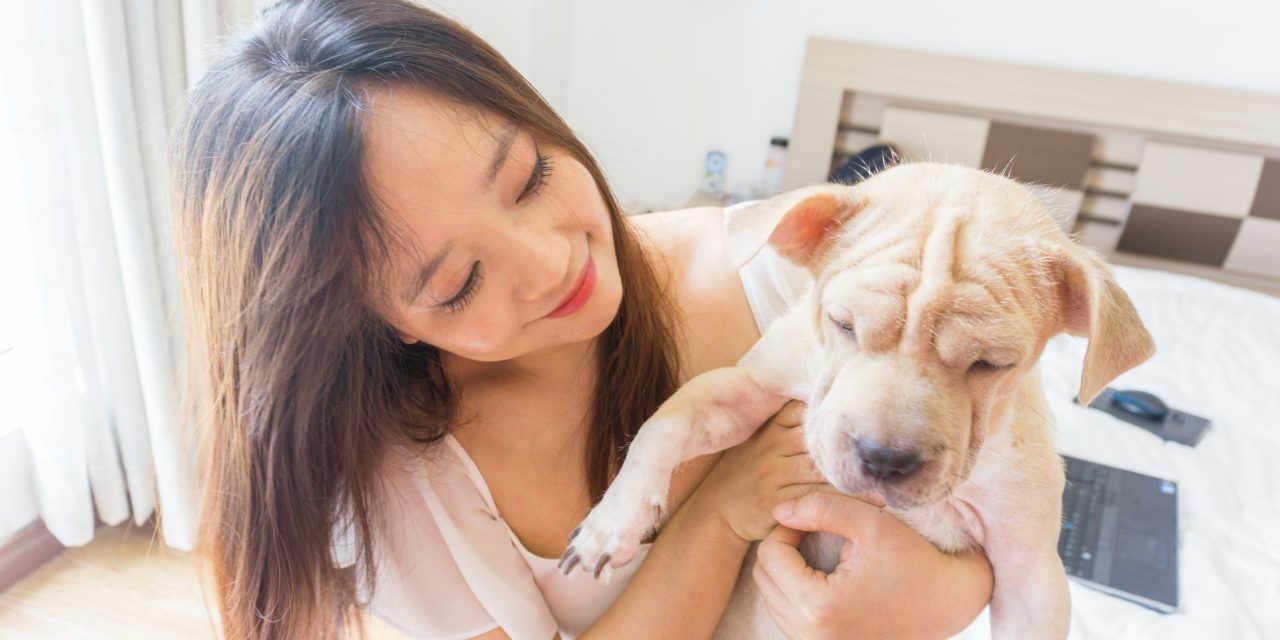
Dog grooming is an essential aspect of pet care that goes beyond mere aesthetics; it plays a crucial role in maintaining the overall health and well-being of your canine companion. Grooming encompasses a variety of practices, including bathing, brushing, nail trimming, ear cleaning, and dental care. Each of these components contributes to the prevention of health issues such as skin infections, matting, and periodontal disease. Regular grooming not only enhances your dog’s appearance but also strengthens the bond between you and your pet.
Understanding the specific grooming needs of different breeds is vital. For instance, long-haired breeds like the Afghan Hound require more frequent grooming sessions compared to short-haired breeds such as the Beagle. Additionally, certain breeds may have unique grooming requirements due to their coat type, skin sensitivity, or underlying health conditions. Familiarizing yourself with these needs will enable you to provide tailored care that promotes your dog’s comfort and health.
Gathering Essential Grooming Tools
Before embarking on your grooming journey, it is imperative to assemble a comprehensive toolkit that caters to your dog’s specific needs. Essential grooming tools include brushes, combs, clippers, nail trimmers, and bathing supplies. The type of brush you choose should correspond to your dog’s coat type; for example, slicker brushes are ideal for detangling long fur, while bristle brushes work well for short-haired breeds.
In addition to brushes, having a quality shampoo formulated for dogs is crucial. Human shampoos can disrupt the pH balance of a dog’s skin, leading to irritation or allergic reactions. Look for hypoallergenic options or those specifically designed for sensitive skin. Nail clippers should be sharp and easy to handle, while ear cleaning solutions should be gentle yet effective in removing wax buildup. Investing in high-quality tools will not only make the grooming process smoother but also ensure your dog’s safety and comfort.
Preparing Your Dog for Grooming

Preparation is key to a successful grooming session. Begin by creating a calm environment that minimizes distractions and anxiety for your dog. Choose a quiet space where your pet feels secure, and consider using treats or toys to create positive associations with grooming. If your dog is particularly anxious, gradual desensitization may be necessary; introduce grooming tools slowly and allow your dog to sniff and explore them before proceeding.
Additionally, it is essential to assess your dog’s temperament and energy levels before starting the grooming process. If your dog is overly excited or agitated, consider engaging in a brief play session to expend some energy. This will help create a more relaxed atmosphere during grooming. Always approach your dog gently and speak in soothing tones to reassure them throughout the process.
Brushing Techniques for Different Coat Types

Brushing is a fundamental aspect of dog grooming that varies significantly based on coat type. For dogs with long or curly coats, such as Poodles or Shih Tzus, it is crucial to use a slicker brush to remove tangles and prevent matting. Start at the base of the coat and work your way up in sections, ensuring that you are gentle to avoid pulling on the skin.
Short-haired breeds like Boxers or Dachshunds benefit from bristle brushes or rubber grooming mitts that effectively remove loose hair while distributing natural oils throughout the coat. For double-coated breeds such as Huskies or Golden Retrievers, an undercoat rake can be invaluable in removing dead hair from the undercoat without damaging the top layer. Regardless of coat type, always brush in the direction of hair growth to minimize discomfort and promote a positive grooming experience.
Bathing Your Dog Safely and Effectively
Bathing is another critical component of dog grooming that requires careful attention to detail. Begin by ensuring that you have all necessary supplies within reach, including dog shampoo, towels, and a non-slip mat for safety. Before introducing your dog to water, brush their coat thoroughly to remove loose hair and debris; this will make bathing more effective.
When bathing your dog, use lukewarm water and avoid getting water directly into their ears or eyes. Apply a small amount of dog shampoo and lather gently, taking care to massage it into the coat while avoiding sensitive areas such as the face and genitals. Rinse thoroughly to ensure no shampoo residue remains, as this can lead to skin irritation. After bathing, reward your dog with praise or treats to reinforce positive behavior during this potentially stressful experience.
Drying Your Dog After a Bath
Drying your dog after a bath is an essential step that should not be overlooked. Wet fur can lead to discomfort and even skin issues if not dried properly. Begin by using a towel to gently blot excess water from your dog’s coat; avoid vigorous rubbing as this can cause tangles or irritate the skin. For dogs with long or thick coats, consider using a high-velocity pet dryer designed specifically for canine use.
When using a pet dryer, maintain a safe distance from your dog’s skin to prevent overheating or burns. Start with a low setting and gradually increase the intensity as your dog becomes accustomed to the sound and sensation of the dryer. Always monitor your dog’s body language for signs of stress or discomfort during this process; if they appear anxious, take breaks or switch back to towel drying until they feel more at ease.
Trimming Your Dog’s Nails Without Stress
Nail trimming is often one of the most challenging aspects of dog grooming for both pets and owners alike. To minimize stress during this process, it is essential to familiarize your dog with nail clippers from an early age. Begin by allowing them to sniff the clippers and rewarding them with treats for calm behavior.
When trimming nails, ensure you have adequate lighting and a steady grip on your dog’s paw. Identify the quick—the pink area within the nail that contains blood vessels—and avoid cutting into it, as this can cause pain and bleeding. If your dog has dark nails where the quick is not visible, trim small amounts gradually until you see a white ring indicating you are nearing the quick. If you are unsure or uncomfortable with trimming nails yourself, consider seeking assistance from a professional groomer or veterinarian.
Cleaning Your Dog’s Ears Properly
Ear cleaning is an often-overlooked aspect of dog grooming that is vital for preventing infections and maintaining ear health. Begin by inspecting your dog’s ears for signs of redness, swelling, or discharge; if any abnormalities are present, consult your veterinarian before proceeding with cleaning.
To clean your dog’s ears safely, use a veterinarian-recommended ear cleaning solution and cotton balls or gauze pads. Apply a few drops of the solution into the ear canal and gently massage the base of the ear to distribute the cleaner. Allow your dog to shake their head to remove excess fluid and debris before wiping away any visible dirt with a cotton ball. Avoid using cotton swabs inside the ear canal as they can push debris further in or cause injury.
Brushing Your Dog’s Teeth at Home
Dental hygiene is crucial for maintaining your dog’s overall health and preventing periodontal disease—a common issue among pets that can lead to serious health complications if left untreated. Begin by introducing your dog to tooth brushing gradually; allow them to taste dog-friendly toothpaste before using a toothbrush designed specifically for pets.
When brushing your dog’s teeth, focus on the outer surfaces where plaque tends to accumulate most frequently. Use gentle circular motions while being mindful of sensitive areas along the gum line. Aim for at least two to three brushing sessions per week; however, daily brushing is ideal for optimal dental health. Regular dental check-ups with your veterinarian are also recommended to monitor oral health and address any concerns promptly.
Handling Common Grooming Challenges
Grooming can present various challenges depending on your dog’s temperament and individual needs. Some dogs may exhibit anxiety during grooming sessions due to past negative experiences or sensitivity to touch. To address this issue, consider implementing positive reinforcement techniques such as treats or praise during grooming activities.
Another common challenge is dealing with matting in long-haired breeds. If mats are present, avoid pulling them out forcefully as this can cause pain or injury. Instead, use a dematting tool designed specifically for this purpose or consult a professional groomer for assistance in safely removing mats without causing distress.
Creating a Regular Grooming Schedule
Establishing a consistent grooming schedule is essential for maintaining your dog’s health and appearance over time. The frequency of grooming sessions will depend on factors such as breed type, coat length, and individual needs; however, most dogs benefit from regular grooming every four to six weeks.
Incorporate brushing into your routine at least once a week—more frequently for long-haired breeds—to prevent matting and reduce shedding around the home. Schedule baths based on your dog’s activity level; active dogs may require more frequent baths than those who spend most of their time indoors. By adhering to a regular grooming schedule, you will not only keep your dog looking their best but also foster a sense of comfort and familiarity during grooming sessions.
In summary, effective dog grooming encompasses various practices that contribute significantly to your pet’s health and well-being. By understanding the basics of grooming, gathering essential tools, preparing your dog adequately, employing appropriate techniques for different coat types, and addressing common challenges with patience and care, you can create a positive grooming experience for both you and your furry friend. Regular grooming not only enhances appearance but also strengthens the bond between owner and pet while promoting overall health through preventive care measures.
FAQs
What tools do I need to groom my dog at home?
To groom your dog at home, you will typically need a few essential tools: a slicker brush or comb for detangling, nail clippers or a nail grinder for trimming nails, dog shampoo and conditioner for bathing, and a towel for drying. Depending on your dog’s coat type, you may also need specific grooming tools like clippers or scissors.
How often should I groom my dog?
The frequency of grooming depends on your dog’s breed, coat type, and lifestyle. Generally, dogs with long or thick coats may require grooming every 4 to 6 weeks, while short-haired breeds may only need grooming every few months. Regular brushing can help maintain a healthy coat and reduce shedding.
Can I use human shampoo on my dog?
No, it is not recommended to use human shampoo on dogs. Human shampoos can disrupt the pH balance of a dog’s skin, leading to irritation and dryness. Instead, use a shampoo specifically formulated for dogs, which is designed to be gentle on their skin and coat.
How do I safely trim my dog’s nails?
To safely trim your dog’s nails, start by getting your dog comfortable with having their paws handled. Use a pair of dog nail clippers and trim only the tip of the nail, avoiding the quick (the pink part inside the nail). If your dog has dark nails, trim small amounts at a time to prevent cutting into the quick. If you’re unsure, consult a veterinarian or professional groomer for guidance.
What should I do if my dog is anxious during grooming?
If your dog is anxious during grooming, try to create a calm environment by using soothing music and treats as positive reinforcement. Start with short grooming sessions to help them acclimate, and gradually increase the duration as they become more comfortable. If anxiety persists, consider consulting a professional groomer or a veterinarian for additional strategies.