Carrier anxiety is a common issue faced by many cat owners. This condition manifests when felines exhibit signs of distress or fear associated with their carriers, often leading to resistance when it comes time for travel. Understanding the underlying causes of this anxiety is crucial for effective management. Cats are creatures of habit and often thrive in familiar environments. The carrier, often perceived as a vehicle for unpleasant experiences such as veterinary visits or long trips, can evoke feelings of vulnerability and stress.
Behavioral signs of carrier anxiety may include excessive vocalization, hiding, scratching, or even aggression when approached with the carrier. Physiologically, cats may exhibit increased heart rates, dilated pupils, and elevated cortisol levels during these stressful moments. Recognizing these symptoms is the first step in addressing the issue. By understanding the root causes of this anxiety, owners can implement strategies to alleviate their pets’ fears and create a more positive association with the carrier.
Choosing the Right Carrier for Your Cat
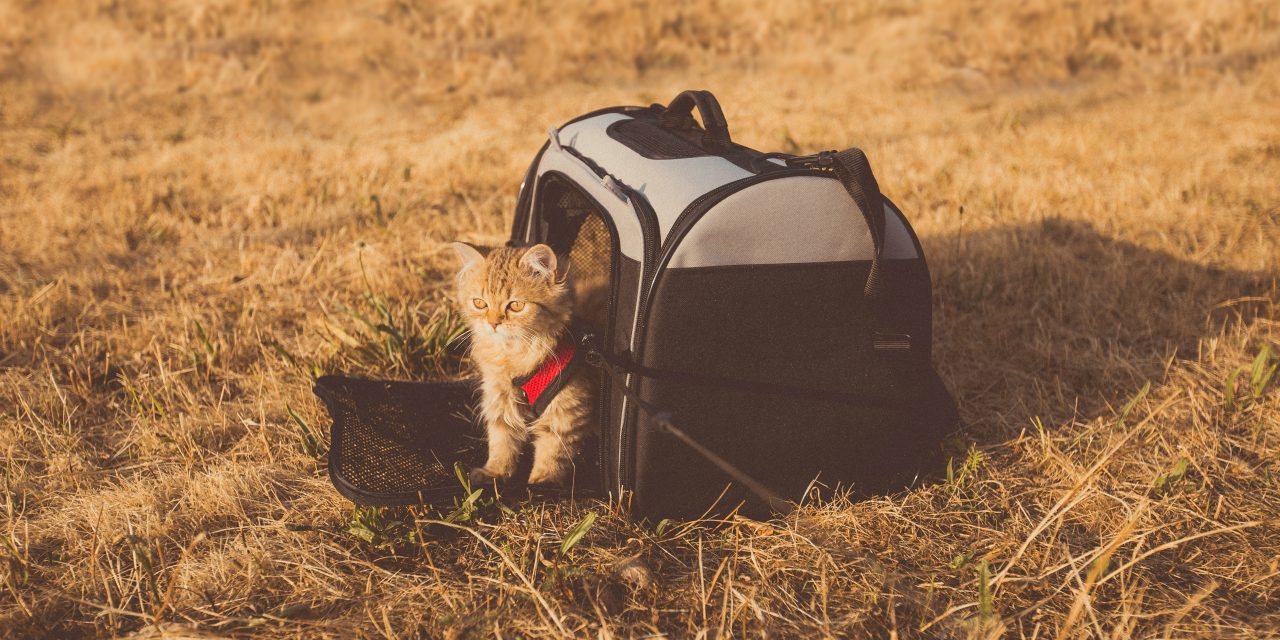
Selecting an appropriate carrier is paramount in mitigating anxiety. The ideal carrier should be spacious enough for your cat to stand, turn around, and lie down comfortably. It should also be well-ventilated to ensure adequate airflow during travel. There are various types of carriers available, including hard-sided, soft-sided, and backpack-style options. Each type has its advantages and disadvantages, depending on your cat’s personality and travel needs.
Hard-sided carriers are often more secure and easier to clean, making them suitable for larger cats or those prone to anxiety. Soft-sided carriers tend to be lighter and more flexible, which can be beneficial for smaller cats or those who enjoy being close to their owners. Additionally, consider features such as removable bases for easy cleaning, safety locks to prevent accidental openings, and collapsible designs for convenient storage. Ultimately, the right carrier should cater to your cat’s comfort while ensuring safety during travel.
Introducing the Carrier Gradually

A gradual introduction to the carrier is essential in reducing anxiety. Start by placing the carrier in a familiar area of your home where your cat spends time. Allow your feline companion to explore the carrier at their own pace without any pressure. This initial exposure should be a low-stress experience, encouraging curiosity rather than fear.
Once your cat shows interest in the carrier, you can begin to associate it with positive experiences. Leave the door open and allow your cat to enter and exit freely. Gradually increase their time spent inside by placing treats or toys inside the carrier. This method fosters a sense of security and comfort, making it less intimidating over time. Remember that patience is key; rushing this process may exacerbate anxiety rather than alleviate it.
Making the Carrier a Cozy Space

Transforming the carrier into a cozy sanctuary can significantly enhance your cat’s comfort level. Start by adding soft bedding or a familiar blanket that carries your cat’s scent. This tactile familiarity can provide reassurance during stressful situations. Additionally, consider incorporating a favorite toy or an item that smells like you to create a sense of security.
Lighting can also play a role in making the carrier inviting. If possible, place the carrier in a well-lit area where your cat feels safe. Avoid dark corners or cramped spaces that may heighten feelings of confinement. By creating a warm and inviting environment within the carrier, you can help your cat associate it with comfort rather than fear.
Using Treats and Positive Reinforcement
Positive reinforcement is a powerful tool in modifying behavior and alleviating anxiety. Utilize treats as rewards when your cat interacts with the carrier positively. For instance, if your cat enters the carrier voluntarily or remains calm inside for a few moments, offer a treat immediately afterward. This association between positive experiences and the carrier can significantly reduce anxiety over time.
In addition to treats, verbal praise and gentle petting can reinforce desired behaviors. Cats respond well to encouragement, so using a soothing tone can help create a calming atmosphere during training sessions. Consistency is crucial; ensure that every positive interaction with the carrier is rewarded to strengthen this association further.
Incorporating Familiar Scents Inside the Carrier
Familiar scents play a vital role in creating a sense of security for cats. Incorporating items that carry your cat’s scent into the carrier can help ease anxiety during travel. Consider placing a worn t-shirt or blanket inside the carrier that has absorbed your scent over time. This olfactory connection can provide comfort and reassurance when faced with unfamiliar environments.
Additionally, you may want to use synthetic pheromone sprays designed specifically for cats. These products mimic natural pheromones that felines produce when they feel safe and secure. Spraying a small amount inside the carrier can create a calming atmosphere that encourages your cat to view it as a safe haven rather than a source of stress.
Practicing Short Carrier Sessions at Home
Practicing short sessions inside the carrier at home can help desensitize your cat to its presence. Start by encouraging your cat to enter the carrier for brief periods while rewarding them with treats or praise. Gradually increase the duration of these sessions as your cat becomes more comfortable.
During these practice sessions, avoid forcing your cat into the carrier; instead, allow them to enter voluntarily. If they resist, take a step back and try again later. The goal is to create positive associations with the carrier without overwhelming your feline companion. Over time, these short sessions will help build confidence and reduce anxiety when it comes time for actual travel.
Playing Near and Inside the Carrier
Incorporating playtime near and inside the carrier can further enhance your cat’s comfort level. Use interactive toys such as feather wands or laser pointers to engage your cat in play sessions around the carrier. This approach helps create positive associations with the area surrounding the carrier while encouraging exploration.
Once your cat becomes more comfortable with the carrier’s presence, consider introducing playtime inside it as well. Use toys that fit easily within the confines of the carrier to encourage your cat to enter willingly during playtime. This method not only fosters familiarity but also reinforces the idea that the carrier is a fun space rather than a source of anxiety.
Taking Short Practice Trips in the Carrier
Once your cat has acclimated to spending time in the carrier at home, it’s time to take short practice trips outside. Start with brief car rides around the block or short visits to nearby locations such as parks or friends’ houses. Ensure that these trips are low-stress experiences by keeping them brief and positive.
During these practice trips, monitor your cat’s behavior closely for signs of distress or discomfort. If they exhibit signs of anxiety, such as excessive vocalization or attempts to escape, consider shortening future trips until they become more accustomed to traveling in the carrier. Gradually increasing trip duration will help build confidence and reduce anxiety over time.
Staying Calm and Patient During the Process
Throughout this entire process, maintaining a calm demeanor is essential for both you and your cat. Cats are highly perceptive creatures; they can sense their owner’s emotions and may mirror feelings of stress or anxiety. By remaining patient and composed during training sessions and travel preparations, you create a more relaxed environment for your feline companion.
If you encounter setbacks or challenges along the way, remember that progress takes time. Celebrate small victories and remain committed to helping your cat overcome their anxiety at their own pace. Consistency and patience will ultimately lead to successful outcomes.
Preparing for the Actual Travel Day
As travel day approaches, preparation is key to ensuring a smooth experience for both you and your cat. Begin by gathering all necessary supplies, including food, water, litter (if applicable), and any medications your cat may require during travel. Familiarize yourself with any specific regulations regarding pet travel if you’re flying or using public transportation.
On travel day, ensure that your cat has had ample time to acclimate to their carrier before departure. Provide plenty of opportunities for bathroom breaks and hydration before leaving home. During transit, maintain a calm atmosphere by speaking softly to your cat and avoiding sudden movements that may startle them.
In conclusion, addressing carrier anxiety in cats requires understanding, patience, and strategic planning. By gradually introducing the carrier, creating positive associations through treats and familiar scents, and practicing short trips at home, you can significantly reduce anxiety levels in your feline companion. Remember that every cat is unique; what works for one may not work for another. Tailor your approach based on your cat’s individual needs while remaining calm throughout the process.
FAQ Section:
1. **What are common signs of carrier anxiety in cats?**
– Common signs include hiding, excessive vocalization, scratching at the door, aggression towards the carrier, increased heart rate, dilated pupils, and refusal to enter.
2. **How long does it typically take for a cat to overcome carrier anxiety?**
– The duration varies by individual; some cats may adapt within days while others may take weeks or even months.
3. **Can I use calming products for my anxious cat?**
– Yes! Products such as pheromone sprays or calming collars can help alleviate anxiety during travel.
4. **Is it necessary to take my cat on practice trips?**
– While not mandatory, practice trips can significantly help desensitize your cat to travel-related stressors.
5. **What should I do if my cat refuses to enter the carrier?**
– Avoid forcing them; instead, try enticing them with treats or toys and allow them to explore at their own pace.
6. **Are there specific carriers recommended for anxious cats?**
– Look for carriers that are spacious, well-ventilated, secure, and easy to clean; soft-sided carriers may be beneficial for some cats.
7. **How can I make my cat feel safe during actual travel?**
– Maintain a calm demeanor, speak softly to them during transit, and ensure they have familiar items inside their carrier.
8. **What if my cat becomes sick during travel?**
– Consult with your veterinarian prior to travel about potential medications or strategies for managing motion sickness in cats.
9. **Can I use treats other than food?**
– Yes! You can use toys or interactive play as rewards during training sessions alongside food treats.
10. **What should I do if my cat shows signs of distress during travel?**
– If possible, pull over safely and check on your cat; offer reassurance through gentle petting or soothing words until they calm down.
In summary, addressing carrier anxiety in cats involves understanding their fears and implementing gradual exposure techniques combined with positive reinforcement strategies. By creating a comfortable environment within the carrier and practicing short trips at home, you can help alleviate stress associated with travel while fostering a sense of security in your feline companion.
FAQs
Why is it important to get my cat comfortable with a carrier?
Getting your cat comfortable with a carrier is essential for reducing stress during trips to the veterinarian, travel, or emergencies. A familiar and positive association with the carrier can help your cat feel safe and secure, making these experiences less traumatic for both you and your pet.
What are some effective ways to introduce a carrier to my cat?
To introduce a carrier to your cat, start by placing it in a quiet area of your home with the door open. Allow your cat to explore it at their own pace. You can also place treats, toys, or bedding inside to encourage them to enter. Gradually increase their time spent in the carrier, rewarding them with praise and treats.
How can I make the carrier more inviting for my cat?
To make the carrier more inviting, add soft bedding or a favorite blanket to create a cozy environment. You can also use pheromone sprays or diffusers designed for cats to help reduce anxiety. Additionally, leaving the carrier open and accessible for your cat to use as a resting spot can help them feel more comfortable.
What should I do if my cat is resistant to the carrier?
If your cat is resistant to the carrier, avoid forcing them inside, as this can create negative associations. Instead, take a gradual approach by allowing them to explore the carrier on their own terms. Use treats and positive reinforcement to encourage them to enter. Patience is key; it may take time for your cat to feel comfortable.
How can I prepare my cat for a trip in the carrier?
To prepare your cat for a trip in the carrier, ensure they are familiar with it well in advance. Take short practice trips around the house or in the car to help them acclimate. Keep the environment calm and play soothing music during the journey. Always secure the carrier in the vehicle to prevent movement and ensure your cat’s safety.