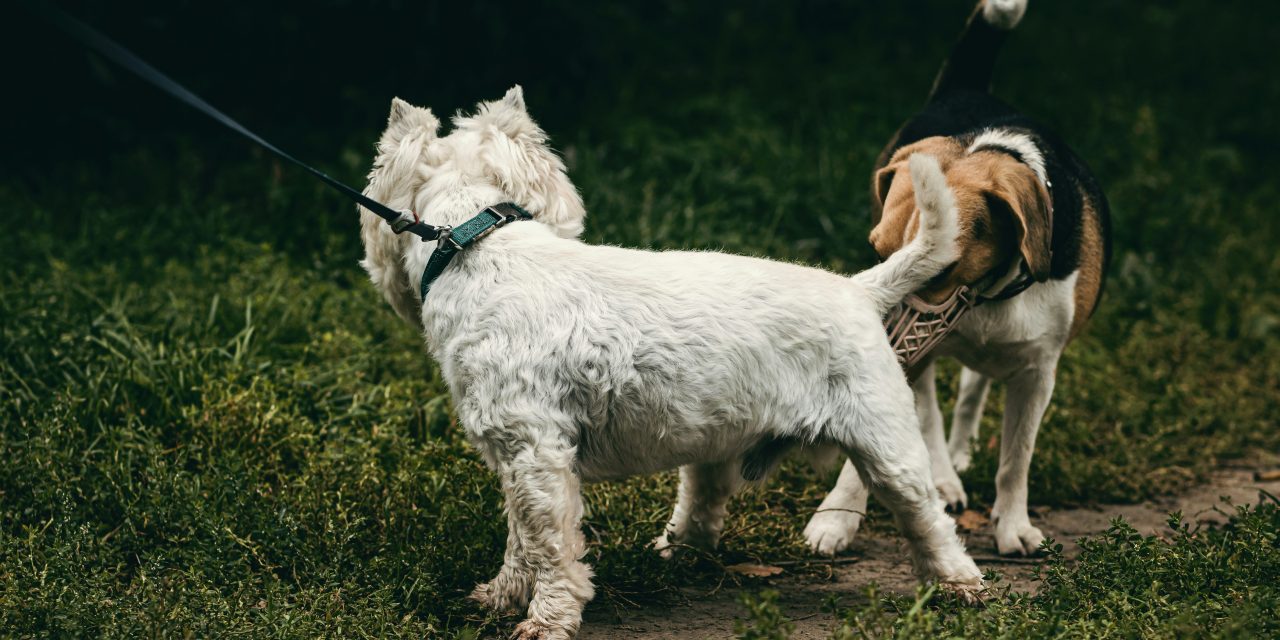
Understanding canine body language is crucial for dog owners and trainers alike. Dogs communicate primarily through their body posture, facial expressions, and vocalizations. Recognizing these signals can help prevent misunderstandings and potential conflicts between dogs. For instance, a wagging tail does not always indicate happiness; the position and speed of the wag can convey different emotions. A high, fast wag may suggest excitement, while a slow wag with a lowered body can indicate uncertainty or submission.
Moreover, the position of a dog’s ears, the tension in its body, and the way it holds its mouth can provide insights into its emotional state. For example, ears that are pinned back against the head often signal fear or anxiety, while a relaxed posture indicates comfort and confidence. Understanding these nuances allows dog owners to interpret their pets’ feelings accurately and respond appropriately, fostering a harmonious environment for both dogs and humans.
Preparing a Neutral Meeting Environment
Creating a neutral meeting environment is essential when introducing two dogs for the first time. A neutral space minimizes territorial behavior, which can lead to aggression or anxiety. Ideal locations include parks or open fields where neither dog has established ownership. This setting helps both dogs feel more at ease and reduces the likelihood of defensive posturing.
In addition to choosing the right location, it is vital to ensure that the environment is free from distractions. Other dogs, loud noises, or unfamiliar people can heighten stress levels and complicate the introduction process. By preparing a calm and controlled atmosphere, owners can facilitate a smoother interaction between the dogs, allowing them to focus on each other rather than external stimuli.
Choosing the Right Time for Introduction

Timing plays a significant role in the success of dog introductions. It is crucial to select a moment when both dogs are calm and relaxed. Avoid introducing them during high-energy situations, such as after a long walk or play session, as this can lead to overstimulation and potential conflicts. Instead, opt for a time when both dogs have had an opportunity to expend energy and are in a more subdued state.
Additionally, consider the individual temperaments of each dog. Some dogs may be more anxious or reactive than others, requiring extra attention during introductions. Observing their behavior prior to the meeting can provide valuable insights into their readiness for social interaction. By choosing an appropriate time for introduction, owners can significantly increase the chances of a positive encounter.
Keeping Both Dogs on Leashes Initially

When introducing two dogs, it is advisable to keep them on leashes initially. This allows owners to maintain control over the situation while providing a safety net should either dog exhibit signs of aggression or fear. Leashes should be held loosely to avoid transmitting tension to the dogs; a tight leash can signal anxiety and escalate stress levels.
While on leashes, owners should encourage calm behavior by using soothing tones and gentle guidance. This approach helps both dogs feel secure while allowing them to explore each other at their own pace. It is essential to monitor their body language closely during this phase; any signs of discomfort or aggression should be addressed immediately to prevent escalation.
Observing First Impressions from a Distance
During the initial introduction phase, observing first impressions from a distance is crucial. This allows both dogs to acclimate to each other’s presence without feeling overwhelmed. Owners should maintain a safe distance initially, gradually decreasing it as both dogs exhibit signs of comfort and curiosity.
Pay attention to how each dog reacts when they first see one another. Signs of interest may include relaxed body posture, wagging tails, and playful barks. Conversely, signs of discomfort may manifest as growling, barking, or stiff body language. By carefully observing these initial reactions, owners can gauge whether it is appropriate to proceed with closer interactions or if adjustments are necessary.
Allowing Controlled Sniffing and Interaction
Once both dogs appear comfortable with each other from a distance, it is time to allow controlled sniffing and interaction. Sniffing is a natural behavior for dogs and serves as their primary means of gathering information about one another. Owners should encourage this behavior by allowing the dogs to approach each other while still on leashes.
During this phase, it is essential to monitor their interactions closely. Positive behaviors such as playful bowing or gentle nudging indicate that both dogs are comfortable with each other. However, if either dog displays signs of stress or aggression—such as growling or snapping—owners should intervene immediately and create space between the two animals. Controlled interactions help build trust and familiarity between the dogs while ensuring safety.
Monitoring Signs of Stress or Aggression
Monitoring signs of stress or aggression during dog introductions is paramount for ensuring safety and fostering positive interactions. Common indicators of stress include excessive panting, yawning, lip licking, and avoidance behaviors such as turning away or hiding behind their owner. Aggressive behaviors may manifest as growling, baring teeth, or lunging toward the other dog.
Owners must remain vigilant throughout the introduction process and be prepared to intervene if necessary. If one dog exhibits signs of distress or aggression, it may be beneficial to separate them temporarily and allow them to calm down before attempting another introduction. Recognizing these signals early on can prevent escalation into more serious confrontations.
Using Positive Reinforcement and Treats
Incorporating positive reinforcement during dog introductions can significantly enhance the experience for both animals. Treats serve as an effective tool for rewarding desirable behaviors such as calmness and curiosity toward one another. By offering treats when both dogs display relaxed body language or engage in friendly interactions, owners can create positive associations with each other’s presence.
Additionally, verbal praise and affection can reinforce good behavior during introductions. Using a cheerful tone when praising both dogs helps create an upbeat atmosphere that encourages further exploration and interaction. Positive reinforcement not only strengthens the bond between the dogs but also fosters trust in their owners’ guidance.
Gradually Increasing Off-Leash Time Together
As both dogs become more comfortable with each other, gradually increasing off-leash time can facilitate deeper socialization. Before allowing them off-leash, ensure that both dogs have demonstrated consistent positive behavior during previous interactions. A secure area free from distractions is ideal for this phase.
When transitioning to off-leash play, owners should remain attentive and ready to intervene if necessary. Observing how both dogs interact without leashes will provide valuable insights into their compatibility and social dynamics. If they engage in playful behaviors such as chasing or wrestling, it indicates a positive relationship developing between them.
Separating Dogs if Tension Escalates
Despite careful planning and monitoring, tensions may still escalate during dog introductions. If either dog begins to exhibit aggressive behaviors or signs of extreme stress—such as barking excessively or attempting to flee—owners must be prepared to separate them immediately. This action prevents potential injuries and allows both dogs to regain composure.
After separation, it is essential to assess each dog’s emotional state before attempting another introduction. Providing time apart allows them to relax and process the experience without further stressors. Once they have calmed down, owners can revisit the introduction process with adjustments based on previous observations.
Seeking Professional Help if Necessary
If repeated attempts at introducing two dogs result in ongoing tension or aggression, seeking professional help may be necessary. Professional dog trainers or behaviorists possess specialized knowledge in canine behavior and can provide tailored strategies for successful introductions. They can assess individual temperaments and offer guidance on managing specific issues that may arise during interactions.
Additionally, group training classes can provide valuable socialization opportunities for both dogs under expert supervision. These environments allow dogs to learn appropriate social skills while receiving immediate feedback from trainers on their behavior. Investing in professional assistance can lead to long-term success in fostering positive relationships between dogs.
In summary, understanding canine body language is fundamental for successful dog introductions. Preparing a neutral environment, choosing appropriate timing, and keeping both dogs leashed initially are critical steps in facilitating positive interactions. Observing first impressions from a distance allows for gradual acclimatization before controlled sniffing occurs. Monitoring signs of stress or aggression ensures safety throughout the process while using positive reinforcement fosters trust between the animals.
Gradually increasing off-leash time together encourages deeper socialization; however, separating dogs if tension escalates is vital for preventing conflicts. Seeking professional help when necessary can provide tailored strategies for overcoming challenges in dog introductions. By following these guidelines, owners can create harmonious relationships between their pets while ensuring safety and well-being for all involved parties.
FAQs
What is the best environment for introducing two dogs?
The best environment for introducing two dogs is a neutral space where neither dog feels territorial. This could be a park or a friend’s yard. Avoid introducing them in one of the dog’s home territories, as this can lead to defensive behavior.
How should I prepare my dogs before the introduction?
Before the introduction, ensure both dogs are well-exercised to help reduce excess energy and excitement. Additionally, consider using a leash for control and to prevent any aggressive behavior. Familiarize both dogs with each other’s scent by swapping their bedding or toys beforehand.
What body language should I look for during the introduction?
During the introduction, watch for signs of relaxed body language, such as wagging tails, loose posture, and play bows. Conversely, be cautious of signs of aggression or fear, such as growling, stiff bodies, or raised hackles, which may indicate that the dogs are uncomfortable.
How can I ensure a positive interaction between the dogs?
To ensure a positive interaction, keep the initial meetings short and controlled. Use treats and praise to reward calm behavior, and allow the dogs to approach each other at their own pace. Gradually increase the time they spend together as they become more comfortable.
What should I do if a fight breaks out?
If a fight breaks out, remain calm and avoid yelling, as this can escalate the situation. Use a loud noise, such as clapping or a whistle, to distract them. If necessary, separate the dogs using a barrier or leash, but avoid putting yourself in harm’s way. Afterward, assess the situation and consider seeking professional help if aggression persists.