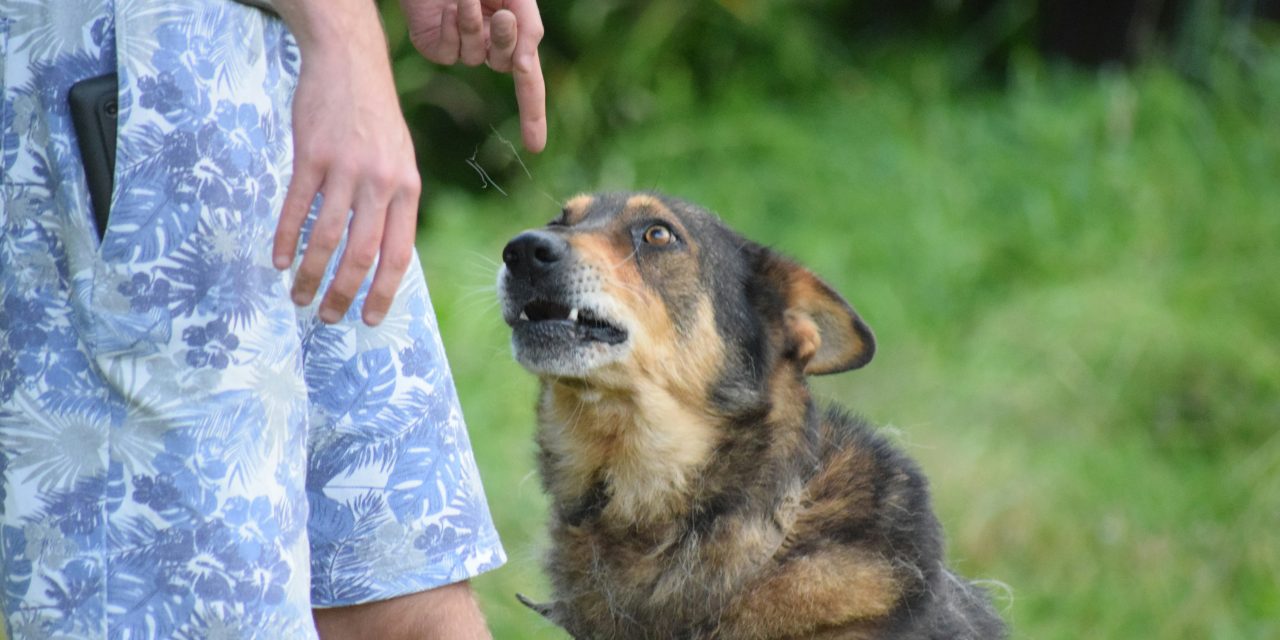
Clicker training is a scientifically-backed method of animal training that utilizes a distinct sound—a clicker—to mark desired behaviors in dogs. This technique is rooted in the principles of operant conditioning, a psychological concept that emphasizes the association between behaviors and their consequences. The clicker serves as a bridge between the behavior exhibited by the dog and the reward that follows, creating a clear communication channel between the trainer and the animal. This method is not only effective but also fosters a positive learning environment, enhancing the bond between the dog and its owner.
The efficacy of clicker training lies in its ability to provide immediate feedback. When a dog performs a desired action, the click sound acts as a precise marker, indicating that the behavior was correct. This immediate reinforcement helps the dog understand what is expected of it, leading to quicker learning and retention of commands. Moreover, clicker training encourages a fun and engaging atmosphere, making it an enjoyable experience for both the trainer and the dog. As a result, this method has gained popularity among pet owners and professional trainers alike, proving to be an invaluable tool in canine education.
Understanding the Basics of Clicker Training
At its core, clicker training revolves around three fundamental components: the clicker itself, the reward system, and the timing of reinforcement. The clicker is a small handheld device that produces a distinct clicking sound when pressed. This sound is crucial as it marks the exact moment a desired behavior occurs, allowing for precise communication. The reward system typically involves treats, praise, or toys that serve as positive reinforcement for the dog’s actions.
Timing is critical in clicker training; the click must occur immediately after the desired behavior to create a strong association. For instance, if a dog sits on command, the trainer should click at the precise moment the dog’s rear touches the ground. This immediate feedback helps solidify the connection between the action and the reward, enhancing learning efficiency. Understanding these basics lays the groundwork for successful implementation of clicker training techniques.
Choosing the Right Clicker for Your Dog

Selecting an appropriate clicker is essential for effective training. There are various types of clickers available on the market, each designed to cater to different preferences and training styles. Some clickers feature adjustable volume settings, which can be beneficial for dogs that may be startled by loud noises. Others come with ergonomic designs for comfortable handling during extended training sessions.
When choosing a clicker, consider your dog’s temperament and sensitivity to sound. For instance, if your dog is particularly anxious or skittish, opting for a softer-clicking device may be more suitable. Additionally, some trainers prefer using clickers with wrist straps or belt clips for easy accessibility during training sessions. Ultimately, selecting a clicker that feels comfortable and suits your dog’s needs will enhance the overall training experience.
Preparing Your Training Environment

Creating an optimal training environment is crucial for successful clicker training. A distraction-free space allows your dog to focus entirely on learning without external interruptions. Ideally, choose a quiet area within your home or yard where you can conduct training sessions without distractions from other pets, loud noises, or people.
In addition to minimizing distractions, ensure that your training area is safe and comfortable for your dog. Remove any potential hazards that could cause injury or anxiety during training sessions. Having a designated space also helps establish a routine for your dog, signaling that it’s time to learn and engage with you. By preparing an appropriate environment, you set the stage for effective communication and successful learning outcomes.
Step 1: Charging the Clicker – Associating the Click with a Reward
The first step in clicker training involves “charging” the clicker—essentially teaching your dog that the sound of the click signifies a forthcoming reward. This process is straightforward and requires minimal distractions. Begin by clicking the device and immediately offering your dog a treat. Repeat this process several times until your dog begins to associate the sound of the click with receiving a reward.
During this phase, it’s essential to maintain enthusiasm and positivity. Use high-value treats that your dog finds particularly enticing to reinforce this association effectively. The goal is to create a strong link between the click sound and positive reinforcement so that your dog eagerly anticipates rewards following each click. Once your dog consistently responds to the click with excitement, you can move on to capturing desired behaviors.
Step 2: Capturing Desired Behaviors with the Clicker
Once your dog has learned to associate the click with rewards, you can begin capturing desired behaviors using the clicker. This step involves observing your dog’s natural actions and clicking when they exhibit behaviors you want to reinforce. For example, if your dog spontaneously sits or lies down, immediately click and reward them with a treat.
Capturing behaviors requires patience and keen observation skills. It’s essential to remain attentive to your dog’s actions and be ready to click at precisely the right moment. Over time, your dog will learn that certain behaviors lead to rewards, encouraging them to repeat those actions more frequently. This method not only reinforces good behavior but also promotes self-confidence in your dog as they learn to engage with their environment.
Step 3: Shaping New Behaviors Using Clicker Training
Shaping involves gradually guiding your dog toward more complex behaviors by reinforcing successive approximations of the desired action. This technique is particularly useful when teaching commands that require multiple steps or specific actions. For instance, if you want to teach your dog to roll over, start by rewarding them for lying down first.
Once your dog consistently lies down on command, you can begin clicking for additional movements—such as rolling onto their side—before eventually rewarding them for completing the full roll-over action. This incremental approach allows your dog to learn at their own pace while building confidence in their abilities. Shaping not only enhances learning but also strengthens the bond between you and your dog through positive reinforcement.
Step 4: Adding Verbal Cues and Commands
After successfully shaping new behaviors through clicker training, it’s time to introduce verbal cues or commands associated with those actions. Verbal cues serve as additional signals for your dog, allowing them to understand what you expect from them in various situations. When introducing a verbal cue, say it clearly just before clicking for the desired behavior.
For example, if you want your dog to sit on command, say “sit” just before they perform the action and then click immediately after they comply. Consistency is key; use the same verbal cue each time you want your dog to perform that specific behavior. Over time, your dog will learn to associate the verbal command with the action and will respond accordingly even without the clicker present.
Step 5: Generalizing Behaviors to Different Environments
Generalization is an essential aspect of training that involves teaching your dog to perform learned behaviors in various environments and situations beyond initial training settings. Dogs often struggle with generalization because they may associate specific commands with particular locations or contexts.
To facilitate generalization, practice commands in different environments—such as parks, busy streets, or friends’ homes—while maintaining consistency in your cues and rewards. Gradually increase distractions during training sessions to help your dog learn to focus despite external stimuli. By exposing your dog to diverse settings while reinforcing learned behaviors, you enhance their adaptability and reliability in responding to commands regardless of their surroundings.
Common Challenges and How to Overcome Them
While clicker training is an effective method for teaching dogs new behaviors, challenges may arise during the process. One common issue is lack of focus or distractions from external stimuli. If your dog struggles to concentrate during training sessions, consider shortening sessions or practicing in quieter environments until they become more accustomed to focusing on you.
Another challenge may involve inconsistent responses from your dog when learning new commands or behaviors. To address this issue, ensure that you are consistent in your timing of clicks and rewards while also using high-value treats that motivate your dog effectively. If necessary, revisit earlier steps in training to reinforce associations before progressing further.
Tips for Maintaining and Advancing Your Dog’s Training Skills
To maintain and advance your dog’s training skills over time, incorporate regular practice sessions into your routine while keeping them engaging and enjoyable. Varying rewards—such as treats, praise, or playtime—can help sustain motivation during training sessions.
Additionally, consider introducing new commands or tricks once your dog has mastered basic behaviors; this keeps their mind stimulated and encourages continued learning. Regularly practicing previously learned commands also reinforces their reliability over time.
Lastly, always celebrate successes—no matter how small—by providing enthusiastic praise or rewards when your dog performs well during training sessions. This positive reinforcement fosters a strong bond between you and your pet while encouraging ongoing engagement in their learning journey.
In summary, clicker training is an effective method rooted in operant conditioning principles that enhances communication between dogs and their trainers through immediate feedback mechanisms. By understanding its fundamentals—such as choosing appropriate tools and creating conducive environments—owners can successfully implement this technique while overcoming common challenges along the way. With patience and consistency, both dogs and trainers can enjoy rewarding experiences throughout their training journey together.
FAQs
What is clicker training for dogs?
Clicker training is a positive reinforcement training method that uses a small handheld device called a clicker to mark desired behaviors in dogs. When the dog performs the desired action, the trainer clicks the device, followed by giving a reward, such as a treat. This helps the dog associate the sound of the click with a positive outcome, encouraging them to repeat the behavior.
How does clicker training work?
Clicker training works by using the principle of operant conditioning. The clicker serves as a precise marker that indicates the exact moment a dog performs the desired behavior. After clicking, the trainer immediately provides a reward, reinforcing the behavior. Over time, the dog learns to associate the click sound with positive reinforcement, making it more likely to repeat the behavior in the future.
What are the benefits of using clicker training?
Clicker training offers several benefits, including clear communication between the trainer and the dog, faster learning of new commands, and a more enjoyable training experience for both parties. It promotes a positive relationship based on trust and respect, reduces the likelihood of behavioral issues, and can be used for a wide range of training goals, from basic obedience to advanced tricks.
Can any dog be clicker trained?
Yes, most dogs can be clicker trained, regardless of age, breed, or previous training experience. However, the effectiveness of clicker training may vary based on the individual dog’s temperament and learning style. It’s important to be patient and consistent, as some dogs may take longer to grasp the concept than others.
What supplies do I need to start clicker training?
To start clicker training, you will need a clicker, which can be purchased at pet stores or online, and some small, tasty treats to use as rewards. It’s also helpful to have a quiet space free from distractions for training sessions. Optional supplies include a training leash and a treat pouch for easy access to rewards during training.