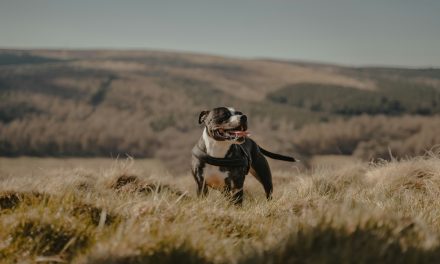
A reliable recall is an essential skill for any dog owner, serving as a cornerstone of effective canine communication and safety. The ability to call your dog back to you at any moment can prevent dangerous situations, such as encounters with aggressive animals, traffic hazards, or the risk of your pet wandering off and getting lost. A dependable recall not only enhances the bond between you and your dog but also fosters a sense of freedom for your pet, allowing them to explore their environment while ensuring their safety.
Moreover, a solid recall can significantly improve your dog’s overall behavior. Dogs that are well-trained in recall are less likely to engage in undesirable behaviors, such as chasing after squirrels or other distractions. This skill promotes a sense of discipline and respect for boundaries, which is crucial for both the dog’s well-being and the owner’s peace of mind. In essence, investing time and effort into developing a reliable recall can lead to a more harmonious relationship between you and your furry companion.
Assessing Your Dog’s Current Recall Skills
Before embarking on the journey to enhance your dog’s recall abilities, it is vital to assess their current skills. Begin by observing how your dog responds to your calls in various environments. Does your dog come immediately when called, or do they hesitate? Are they easily distracted by external stimuli? Understanding these nuances will help you tailor your training approach effectively.
To evaluate their recall, conduct a simple test in a controlled environment. Use a familiar command, such as “come,” and observe your dog’s response. Take note of their speed, enthusiasm, and focus. If your dog struggles to respond or appears indifferent, it may indicate a need for more structured training. Additionally, consider factors such as age, breed, and temperament, as these can influence your dog’s natural inclination to respond to commands.
Choosing the Right Training Environment

Selecting an appropriate training environment is crucial for successful recall training. Start in a quiet, familiar space where distractions are minimal. This could be your backyard or a secluded park area. A controlled environment allows your dog to focus on you without the interference of other animals or people. As your dog becomes more proficient in their recall skills, gradually introduce them to more stimulating environments.
Once your dog demonstrates consistent recall in a low-distraction setting, begin transitioning to areas with moderate distractions. This could include parks with other dogs or children playing nearby. The goal is to challenge your dog while still maintaining their focus on you. By progressively increasing the complexity of the training environment, you will help your dog learn to prioritize your commands over external distractions.
Introducing Outdoor Distractions Gradually

As your dog becomes more adept at recalling in controlled environments, it is essential to introduce outdoor distractions gradually. This process should be approached with patience and care to ensure that your dog remains engaged and responsive. Start by incorporating mild distractions, such as other dogs at a distance or people walking by. Observe how your dog reacts and adjust the distance accordingly.
When introducing distractions, use high-value rewards to reinforce positive behavior. Treats or toys that your dog finds particularly enticing can motivate them to focus on you despite the surrounding stimuli. Gradually increase the intensity of distractions as your dog becomes more confident in their recall abilities. This step-by-step approach will help solidify their skills and ensure they remain reliable even in challenging situations.
Using High-Value Rewards to Reinforce Recall
The use of high-value rewards is a fundamental aspect of effective recall training. These rewards should be something that your dog finds irresistible, such as special treats or favorite toys. The goal is to create a positive association with the act of returning to you when called. By consistently rewarding your dog for successful recalls, you reinforce the behavior and encourage them to repeat it in the future.
When selecting rewards, consider your dog’s preferences and motivations. Some dogs may respond better to food rewards, while others may be more motivated by playtime or praise. Experiment with different types of rewards during training sessions to determine what resonates most with your dog. Remember that timing is crucial; reward them immediately upon returning to you to create a strong connection between the command and the reward.
Implementing Consistent Recall Commands
Consistency is key when it comes to teaching your dog reliable recall commands. Choose a specific word or phrase that will serve as your recall command, such as “come” or “here.” Ensure that everyone in your household uses the same command to avoid confusing your dog. Consistency in tone and delivery is equally important; use an upbeat and enthusiastic voice to convey excitement when calling your dog.
In addition to verbal commands, consider incorporating hand signals or gestures that can accompany the recall command. Dogs are highly visual learners, and combining verbal cues with visual signals can enhance their understanding of what is expected of them. Practice these commands regularly in various settings to reinforce their meaning and ensure that your dog associates them with positive outcomes.
Practicing Recall with Leash and Long Line
Utilizing a leash or long line during recall training can provide an added layer of safety while allowing your dog some freedom to explore their surroundings. Begin practicing recall commands while your dog is on a leash in a controlled environment. This allows you to guide them back if they become distracted or hesitant.
As your dog’s recall skills improve, transition to using a long line in open spaces. A long line provides more freedom for your dog while still allowing you to maintain control over their movements. Practice calling them back from varying distances while they are on the long line, rewarding them for successful recalls. This method helps build confidence in both you and your dog as they learn to respond reliably even when they have more space to roam.
Managing Common Distractions Effectively
Managing distractions effectively is crucial for successful recall training. Common distractions may include other dogs, wildlife, or even enticing smells on the ground. To help your dog navigate these challenges, practice desensitization techniques by gradually exposing them to distractions at a distance before moving closer.
When encountering distractions during training sessions, remain calm and composed. If your dog becomes fixated on something else, redirect their attention back to you using treats or toys. Reinforce their focus by rewarding them for ignoring distractions and returning their attention to you. Over time, this will help them learn that responding to your commands is more rewarding than engaging with distractions.
Building Duration and Distance in Recall Training
Once your dog has mastered basic recall skills in controlled environments, it’s time to build duration and distance into their training regimen. Start by increasing the time between calling your dog and rewarding them for returning. This helps reinforce the idea that coming back is always beneficial, even if there’s a slight delay before receiving their reward.
Simultaneously, work on increasing the distance from which you call your dog back. Begin by standing further away while still ensuring they can see you clearly. Gradually increase this distance over time as they become more confident in their ability to return reliably from greater lengths. This dual approach will strengthen their recall skills and prepare them for real-world scenarios where they may need to respond from farther away.
Troubleshooting Recall Challenges in Outdoor Settings
Despite diligent training efforts, some dogs may still struggle with recall challenges in outdoor settings. If you find that your dog consistently fails to respond when called outside, it may be beneficial to reassess their motivation levels and the effectiveness of rewards being used. Ensure that the rewards are genuinely enticing enough for them to prioritize returning over exploring their surroundings.
Additionally, consider environmental factors that may be influencing their behavior. High levels of excitement or anxiety can hinder a dog’s ability to focus on commands. In such cases, it may be helpful to practice recall training during quieter times of day when there are fewer distractions present. If necessary, consult with a professional trainer who can provide tailored strategies for overcoming specific challenges related to outdoor recall.
Maintaining and Strengthening Recall Over Time
Maintaining and strengthening recall skills requires ongoing practice and reinforcement even after initial training has been completed. Regularly incorporate recall exercises into daily routines, whether during walks or playtime at home or in the park. Consistency is vital; continue using high-value rewards and positive reinforcement techniques throughout your dog’s life.
Additionally, consider varying the locations where you practice recall training to keep things fresh and engaging for your dog. Different environments provide new challenges and opportunities for learning while reinforcing their skills in diverse settings. By making recall training an integral part of your dog’s life, you ensure that they remain responsive and reliable throughout their development.
In summary, developing a reliable recall in dogs is an essential aspect of responsible pet ownership that enhances safety and strengthens the bond between owner and pet. By assessing current skills, choosing appropriate environments for training, gradually introducing distractions, utilizing high-value rewards, implementing consistent commands, practicing with leashes or long lines, managing distractions effectively, building duration and distance in recalls, troubleshooting challenges, and maintaining skills over time, owners can cultivate a well-trained canine companion capable of responding reliably in various situations.
FAQs
What is a reliable recall in dog training?
A reliable recall refers to a dog’s ability to return to its owner promptly and consistently when called, regardless of distractions in the environment. This skill is crucial for ensuring the safety of the dog and allowing for enjoyable outdoor activities.
Why are outdoor distractions important to consider when training recall?
Outdoor distractions, such as other animals, people, and environmental noises, can significantly impact a dog’s focus and response to commands. Training in the presence of these distractions helps to reinforce the recall command and ensures that the dog learns to prioritize the owner’s call over other stimuli.
What techniques can be used to improve a dog’s recall in distracting environments?
Techniques to improve recall in distracting environments include using high-value treats, practicing in progressively more distracting settings, employing a long leash for safety, and incorporating games like hide-and-seek to make the recall command more engaging and fun for the dog.
How can I gradually introduce distractions during recall training?
To gradually introduce distractions, start training in a quiet area with minimal stimuli. As the dog becomes more reliable, slowly increase the level of distraction by moving to busier locations or adding distractions like other dogs or people. Always reward the dog for successful recalls to reinforce the behavior.
What should I do if my dog fails to respond to recall in a distracting situation?
If your dog fails to respond to recall amidst distractions, avoid punishing them, as this can create negative associations. Instead, return to a less distracting environment where the dog can succeed, and gradually work back up to more challenging situations while reinforcing positive behavior with rewards.