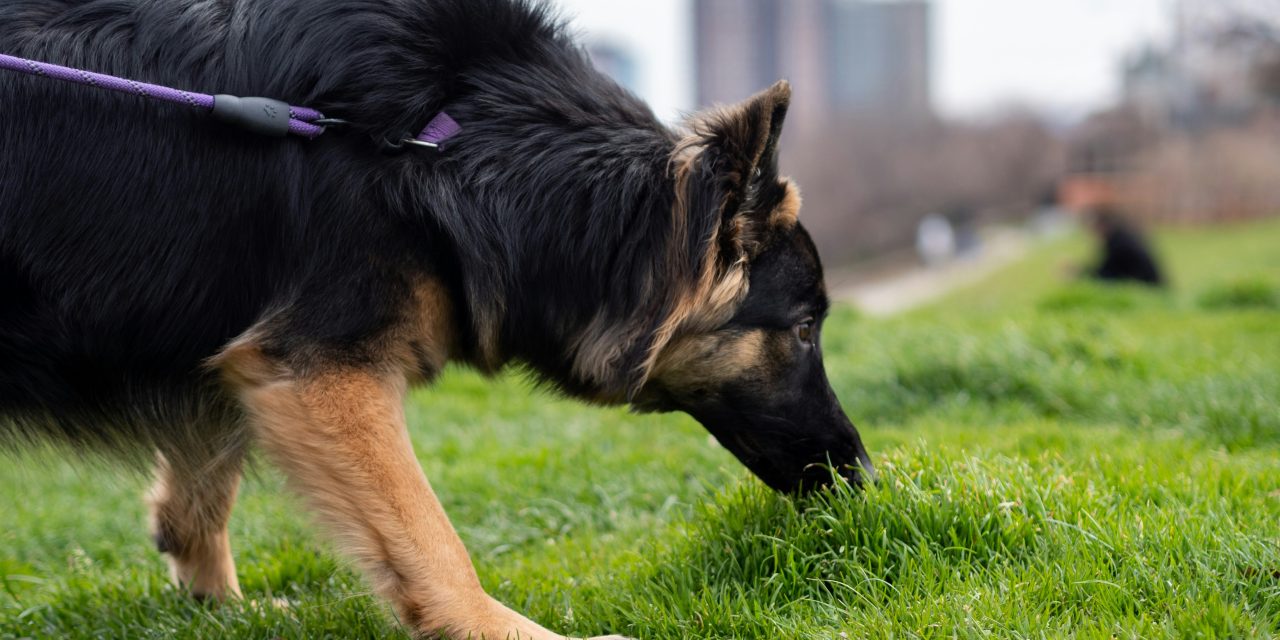
Canine grass-eating behavior is a phenomenon that has intrigued pet owners and veterinarians alike for centuries. While many dog owners observe their pets indulging in this peculiar habit, the reasons behind it remain a topic of debate. Some may dismiss it as a quirky canine trait, while others may worry about potential health implications. Understanding the motivations behind this behavior is crucial for ensuring the well-being of our furry companions. This article delves into the various factors influencing grass consumption in dogs, exploring evolutionary instincts, nutritional needs, digestive health, and behavioral aspects.
The act of eating grass is not limited to a specific breed or size; it is a common behavior observed across various canine populations. Research indicates that approximately 68% of dogs engage in grass-eating at some point in their lives. This statistic raises questions about the underlying reasons for this behavior and whether it serves a purpose in a dog’s overall health and well-being. By examining the evolutionary background, nutritional needs, and potential medical concerns associated with grass consumption, we can better understand this intriguing aspect of canine behavior.
Evolutionary Background: Instincts from Wild Ancestors
To comprehend why dogs eat grass, one must consider their evolutionary lineage. Domestic dogs (Canis lupus familiaris) share a common ancestor with wolves, which are known to exhibit similar behaviors in the wild. In their natural habitat, wolves often consume the entire prey, including the stomach contents of herbivorous animals. This practice allows them to ingest plant matter, which is rich in fiber and essential nutrients. Consequently, it is plausible that modern dogs retain this instinctual behavior as a remnant of their wild ancestry.
Moreover, the act of grazing on grass may serve as a means of self-medication for dogs. In the wild, animals instinctively seek out certain plants to alleviate gastrointestinal discomfort or to purge parasites. This instinct may have been passed down through generations, leading domestic dogs to engage in grass-eating as a natural remedy for digestive issues. Understanding this evolutionary perspective provides valuable insight into why our canine companions may feel compelled to munch on greenery.
Nutritional Needs: Seeking Fiber and Nutrients

One of the primary reasons dogs consume grass is to fulfill their nutritional requirements. Grass is a source of dietary fiber, which plays a vital role in maintaining gastrointestinal health. Fiber aids in digestion by promoting regular bowel movements and preventing constipation. For dogs that may not receive adequate fiber from their regular diet, grass can serve as a supplementary source.
In addition to fiber, certain grasses contain essential nutrients such as vitamins A and C, as well as minerals like potassium and magnesium. These nutrients contribute to overall health and vitality. Dogs may instinctively seek out these nutrients when they feel their diet lacks balance or variety. It is essential for pet owners to ensure that their dog’s diet is nutritionally complete and meets their specific needs based on age, size, and activity level.
Digestive Health: Easing Upset Stomachs Naturally

Grass consumption may also serve as a natural remedy for digestive discomfort in dogs. Many pet owners report that their dogs tend to eat grass before vomiting or experiencing gastrointestinal distress. While the exact mechanism remains unclear, it is believed that the fibrous texture of grass can help induce vomiting by irritating the stomach lining or stimulating peristalsis—the wave-like muscle contractions that move food through the digestive tract.
In some cases, dogs may consume grass to alleviate symptoms of nausea or an upset stomach. The act of vomiting can provide relief from discomfort and help expel any irritants from the gastrointestinal tract. However, it is crucial for pet owners to monitor their dog’s overall health and consult with a veterinarian if vomiting becomes frequent or severe.
Parasite Control: Potential Internal Cleansing
Another potential reason for grass-eating behavior in dogs is its role in parasite control. In the wild, animals often consume certain plants known for their anthelmintic properties—substances that help expel parasitic worms from the body. While domestic dogs are less exposed to parasites than their wild counterparts, they can still be susceptible to infestations.
Some studies suggest that dogs may instinctively consume grass as a means of self-cleansing from internal parasites. The fibrous nature of grass may help dislodge worms or other parasites from the intestinal lining, promoting overall digestive health. Pet owners should remain vigilant about regular veterinary check-ups and deworming protocols to ensure their dog’s internal health remains optimal.
Boredom and Anxiety: Behavioral Reasons for Grass Eating
In addition to physiological factors, behavioral aspects play a significant role in canine grass-eating behavior. Dogs are social animals that thrive on mental stimulation and physical activity. When they experience boredom or anxiety, they may resort to various behaviors to cope with their emotions—grass eating being one of them.
Dogs left alone for extended periods or lacking sufficient exercise may turn to grass consumption as an outlet for pent-up energy or stress. This behavior can also manifest in anxious dogs who seek comfort through repetitive actions. Providing adequate mental stimulation through interactive toys, training sessions, and regular exercise can help mitigate boredom-related behaviors and reduce the likelihood of excessive grass eating.
Taste and Texture: Enjoyment and Curiosity
Dogs are naturally curious creatures with a keen sense of taste and smell. The texture and flavor of grass may appeal to them, prompting them to explore this green delicacy further. Some dogs may simply enjoy the act of chewing on grass due to its crunchy texture or refreshing taste.
Moreover, certain types of grass may have different flavors based on environmental factors such as soil quality and moisture levels. Dogs may gravitate toward specific grasses that they find particularly palatable or enjoyable. This exploratory behavior is part of their natural instincts and should not be discouraged unless it poses a health risk.
Attention-Seeking Behavior: Getting a Reaction from Owners
Dogs are adept at reading human emotions and behaviors, often seeking attention from their owners through various means. Grass eating can sometimes be an attention-seeking behavior, especially if a dog notices that it elicits a reaction from its owner—whether positive or negative.
If a dog learns that eating grass prompts their owner to intervene or react in any way, they may continue this behavior as a means of gaining attention. To address this issue, pet owners should focus on reinforcing positive behaviors while redirecting their dog’s attention away from grass consumption when it occurs.
Medical Concerns: When Grass Eating Signals Illness
While occasional grass eating is generally considered normal behavior for dogs, persistent or excessive consumption can signal underlying medical issues. Conditions such as gastrointestinal disorders, pancreatitis, or even certain types of cancer may lead dogs to seek out grass as a coping mechanism for discomfort.
Pet owners should be vigilant for signs of illness accompanying grass eating, such as lethargy, diarrhea, vomiting, or changes in appetite. If these symptoms persist or worsen, it is imperative to consult with a veterinarian for a thorough examination and appropriate diagnostic testing.
How Much Grass Is Too Much? Recognizing Healthy Limits
Determining how much grass consumption is acceptable can be challenging for pet owners. While occasional grazing is typically harmless, excessive consumption can lead to gastrointestinal blockages or other health complications. Monitoring your dog’s behavior and overall health is essential in recognizing healthy limits.
A general guideline suggests that if your dog consumes small amounts of grass occasionally without adverse effects—such as vomiting or diarrhea—it is likely not a cause for concern. However, if your dog exhibits signs of distress after eating grass or engages in compulsive grazing behavior, it is advisable to consult with a veterinarian for further evaluation.
When to Worry and How to Respond to Grass Eating
In conclusion, canine grass-eating behavior can stem from various factors ranging from evolutionary instincts to nutritional needs and behavioral tendencies. While occasional grazing is generally harmless, pet owners should remain vigilant about their dog’s overall health and well-being. Understanding the motivations behind this behavior can help owners respond appropriately and ensure their furry companions lead happy and healthy lives.
If you notice your dog exhibiting excessive grass-eating behavior or displaying signs of illness, it is crucial to seek veterinary advice promptly. By addressing any underlying issues and providing adequate mental stimulation and nutrition, pet owners can help mitigate unnecessary grass consumption while promoting their dog’s overall health.
In summary, canine grass-eating behavior is multifaceted—rooted in instinctual drives, nutritional needs, digestive health considerations, and behavioral responses. By understanding these factors and monitoring your dog’s habits closely, you can ensure they remain healthy while enjoying their natural curiosities responsibly.
FAQs
Why do dogs eat grass?
Dogs may eat grass for various reasons, including dietary needs, boredom, or instinctual behavior. Some dogs may seek out grass to help induce vomiting if they feel unwell, while others might simply enjoy the texture or taste of grass.
Is eating grass harmful to dogs?
Generally, eating grass is not harmful to dogs, especially if the grass is free from pesticides or chemicals. However, if a dog frequently eats grass and vomits afterward, it may indicate an underlying health issue that should be addressed by a veterinarian.
Can eating grass indicate a nutritional deficiency?
Yes, some experts believe that dogs may eat grass to compensate for a lack of certain nutrients in their diet, such as fiber. If a dog is consistently eating grass, it may be worth evaluating their diet to ensure it meets their nutritional needs.
Do all dogs eat grass?
No, not all dogs eat grass. While many dogs may occasionally nibble on grass, some may show no interest at all. Individual preferences and behaviors can vary widely among different breeds and individual dogs.
What should I do if my dog eats grass frequently?
If your dog eats grass frequently, monitor their behavior and health. If they seem to be vomiting often or showing signs of distress, consult a veterinarian to rule out any potential health issues or dietary deficiencies.