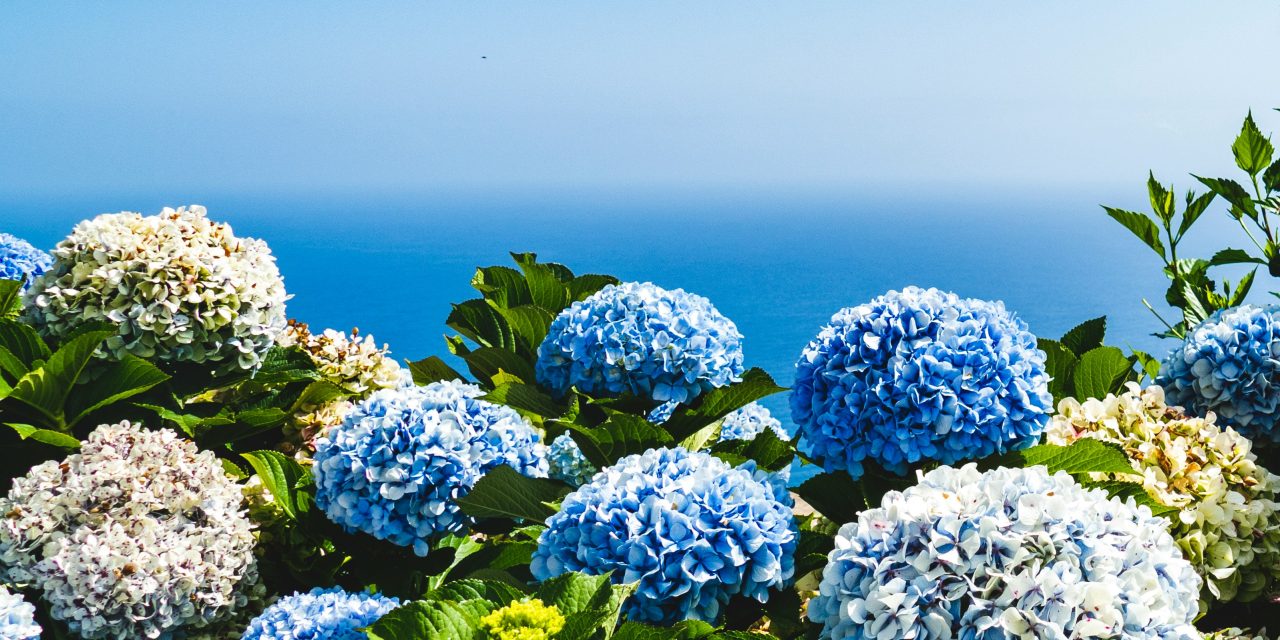
Hydrangeas have long captivated gardeners and landscape designers alike with their lush foliage and stunning blooms. These perennial favorites are renowned for their ability to adapt to various climates and soil types, making them a versatile choice for any garden. Their expansive range of colors, from soft pastels to vibrant hues, allows for creative expression in garden design. The allure of hydrangeas lies not only in their aesthetic appeal but also in their ability to evoke emotions and memories, often reminding individuals of cherished moments spent in nature.
Incorporating hydrangeas into garden design can create a sense of tranquility and beauty. Their large, globe-like flower clusters can serve as focal points or soft backdrops, enhancing the overall visual impact of a landscape. Additionally, hydrangeas are relatively low-maintenance, requiring minimal care once established. This combination of beauty and practicality makes them a staple in both residential and commercial gardens. As we explore other flowering plants that complement hydrangeas, we will discover a variety of options that can enhance the charm and diversity of any garden space.
If you’re looking to enhance your garden with beautiful hydrangeas, you might find it helpful to explore related gardening tips and techniques. For instance, understanding how to maintain a clean and organized gardening space can significantly improve your planting experience. You can read more about effective cleaning techniques for your home and garden in this article: 10 Effective Cleaning Techniques for a Spotless Home Every Time.
Clematis: The Climbing Beauty with Vibrant Blooms
Clematis is a genus of flowering vines that boasts an impressive array of colors and forms, making it a popular choice for vertical gardening. With over 300 species and countless hybrids, clematis offers something for every gardener. These climbing beauties can reach heights of up to 30 feet, making them ideal for trellises, arbors, and fences. Their blooms can vary significantly in size, ranging from small star-shaped flowers to large, showy blossoms that can measure up to 10 inches across.
One of the most appealing aspects of clematis is its extended blooming period. Depending on the variety, clematis can produce flowers from late spring through early fall. This prolonged display of color adds vibrancy to any garden throughout the growing season. Additionally, clematis is known for its ability to thrive in various conditions, from full sun to partial shade, making it adaptable to different garden environments. To ensure optimal growth, it is essential to provide adequate support for climbing varieties and to prune them according to their specific needs.
Rhododendrons: Evergreen Shrubs with Showy Flowers

Rhododendrons are a group of flowering shrubs that are celebrated for their stunning blooms and evergreen foliage. With over 1,000 species and numerous hybrids available, these plants offer a diverse range of colors, sizes, and growth habits. Rhododendrons are particularly valued for their large clusters of flowers that can create a spectacular display in spring. The blooms can range from delicate pastels to bold, vibrant shades, providing an eye-catching contrast against their glossy green leaves.
These shrubs thrive in acidic soils and prefer partial shade, making them ideal for woodland gardens or shaded areas. Rhododendrons are also relatively low-maintenance once established, requiring minimal pruning and care. However, they do benefit from regular watering during dry spells and mulching to retain soil moisture. Their evergreen nature ensures year-round interest in the garden, as their foliage remains lush even during winter months. When selecting rhododendrons for your landscape, consider the mature size and growth habit to ensure they fit well within your design.
Azaleas: Colorful Springtime Favorites

Azaleas are a subgroup of rhododendrons that are particularly cherished for their vibrant spring blooms. These deciduous or evergreen shrubs produce an abundance of flowers in various colors, including pinks, reds, whites, and purples. Azaleas typically bloom in early spring, creating a stunning display that heralds the arrival of warmer weather. Their compact size makes them suitable for smaller gardens or as foundation plantings around homes.
In addition to their visual appeal, azaleas are relatively easy to care for. They thrive in well-drained, acidic soils and prefer partial shade to full sun conditions. Regular watering is essential during dry spells to promote healthy growth and flowering. Pruning azaleas after blooming can help maintain their shape and encourage new growth for the following season. With their dazzling colors and delightful fragrance, azaleas are a must-have for any springtime garden.
If you’re looking to enhance your garden with beautiful blooms, consider planting hydrangeas, which are known for their vibrant colors and lush foliage. To ensure you achieve the best results, you might find it helpful to read a related article that offers essential tips for successful gardening. For more insights, check out this informative piece on successful gardening techniques that can help you cultivate a thriving landscape.
Camellias: Elegant Blooms for Winter and Spring
Camellias are renowned for their exquisite blooms that grace gardens during the cooler months when few other plants are in flower. These evergreen shrubs produce large, showy flowers in shades of white, pink, and red, often resembling roses or peonies in appearance. Camellias typically bloom from late winter through early spring, providing much-needed color and interest during a time when many gardens appear dormant.
These elegant plants thrive in well-drained, acidic soils and prefer partial shade to protect their delicate blooms from harsh sunlight. Regular watering is crucial during dry periods to ensure healthy growth and flowering. Camellias also benefit from mulching to retain soil moisture and regulate temperature. With proper care, camellias can live for decades, becoming cherished features in the landscape that provide beauty year after year.
If you’re looking to enhance your garden with vibrant colors, planting hydrangeas can be a fantastic choice. These beautiful flowering shrubs thrive in various conditions and can add a stunning focal point to any landscape. For more information on how to care for your plants and keep them healthy, you might find this article on pest control regulations particularly useful, as it discusses important guidelines that can help protect your hydrangeas from common pests.
Viburnums: Fragrant and Versatile Shrubs
Viburnums are a diverse group of shrubs that offer an array of benefits for gardeners seeking fragrant blooms and attractive foliage. With over 150 species available, viburnums can be found in various sizes and forms, ranging from compact varieties suitable for small gardens to larger specimens that can serve as privacy hedges or windbreaks. Their clusters of white or pink flowers often emit a delightful fragrance that attracts pollinators such as bees and butterflies.
In addition to their beautiful blooms, viburnums produce ornamental berries that provide food for birds during the fall months. These shrubs thrive in well-drained soils and prefer full sun to partial shade conditions. Regular pruning can help maintain their shape and encourage new growth. Viburnums are also relatively low-maintenance once established, making them an excellent choice for busy gardeners looking to enhance their landscapes with minimal effort.
Lilacs: Fragrant and Charming Spring Blossoms
Lilacs are beloved for their intoxicating fragrance and charming clusters of flowers that signal the arrival of spring. These deciduous shrubs produce an abundance of small blossoms in shades of purple, pink, and white that create a stunning visual display when in full bloom. Lilacs typically bloom in late spring, attracting pollinators with their sweet scent and vibrant colors.
These hardy plants thrive in well-drained soils and prefer full sun conditions to promote optimal flowering. Regular pruning after blooming can help maintain their shape and encourage new growth for the following season. Lilacs are also relatively low-maintenance once established but benefit from regular watering during dry spells to ensure healthy growth. With their delightful fragrance and beautiful blooms, lilacs are a timeless addition to any garden.
Butterfly Bushes: Attracting Pollinators with Grace
Butterfly bushes (Buddleja) are renowned for their ability to attract butterflies and other pollinators with their fragrant blooms. These deciduous shrubs produce long spikes of flowers in various colors, including purple, pink, white, and yellow. The nectar-rich blossoms provide a vital food source for butterflies during the summer months when they are most active.
Butterfly bushes thrive in well-drained soils and prefer full sun conditions to promote optimal flowering. They are relatively low-maintenance once established but benefit from regular pruning in late winter or early spring to encourage new growth and maintain their shape. With their vibrant colors and ability to attract pollinators, butterfly bushes create a lively atmosphere in any garden while supporting local ecosystems.
Gardenias: Fragrant White Blooms for a Tropical Touch
Gardenias are cherished for their exquisite white blooms and intoxicating fragrance that evokes a sense of tropical paradise. These evergreen shrubs produce large, waxy flowers that bloom throughout the summer months, creating a stunning visual display while filling the air with their sweet scent. Gardenias thrive in warm climates but can also be grown indoors as houseplants in cooler regions.
To ensure healthy growth, gardenias require well-drained acidic soils and prefer partial shade to protect their delicate blooms from harsh sunlight. Regular watering is essential during dry periods to promote healthy growth and flowering. Fertilizing with a balanced fertilizer formulated for acid-loving plants can also enhance blooming potential. With proper care, gardenias can become focal points in any garden or landscape design.
Peonies: Large, Lush Flowers with a Classic Appeal
Peonies are beloved perennials known for their large, lush blooms that create a classic appeal in gardens worldwide. These herbaceous or woody plants produce an abundance of flowers in various colors, including pinks, whites, reds, and yellows. Peonies typically bloom in late spring to early summer, providing a stunning display that captivates gardeners and passersby alike.
These hardy plants thrive in well-drained soils and prefer full sun conditions to promote optimal flowering. Regular watering is crucial during dry spells to ensure healthy growth and blooming potential. Peonies benefit from staking or support during blooming to prevent heavy flowers from drooping or breaking stems. With their timeless beauty and delightful fragrance, peonies remain a favorite among gardeners seeking classic elegance.
Mock Orange: Fragrant White Flowers for Summer
Mock orange (Philadelphus) is a deciduous shrub celebrated for its fragrant white flowers that bloom during the summer months. These charming plants produce clusters of cup-shaped blossoms that emit a delightful citrus-like fragrance reminiscent of orange blossoms. Mock orange typically blooms from late spring through early summer, attracting pollinators such as bees and butterflies.
These versatile shrubs thrive in well-drained soils and prefer full sun conditions to promote optimal flowering. Regular pruning after blooming can help maintain their shape and encourage new growth for the following season. Mock orange is relatively low-maintenance once established but benefits from regular watering during dry spells to ensure healthy growth. With their enchanting fragrance and beautiful blooms, mock orange adds charm to any garden setting.
Hydrangea Relatives: Exploring Lesser-Known Varieties
While hydrangeas are undoubtedly popular among gardeners, several lesser-known relatives within the Hydrangeaceae family deserve attention as well. Plants such as oakleaf hydrangea (Hydrangea quercifolia) feature unique foliage resembling oak leaves along with stunning cone-shaped flower clusters that transition from white to pink as they mature. Another intriguing option is the climbing hydrangea (Hydrangea anomala subsp. petiolaris), which offers beautiful white flowers while climbing walls or trellises.
Additionally, smooth hydrangea (Hydrangea arborescens) is known for its large white flower clusters that create a striking visual impact in gardens while being adaptable to various soil types and conditions. Exploring these lesser-known varieties allows gardeners to diversify their landscapes while still enjoying the beauty associated with hydrangeas.
In summary, hydrangeas remain an alluring choice for garden design due to their versatility and stunning blooms; however, numerous other flowering plants complement them beautifully while adding unique characteristics to landscapes. From climbing clematis to fragrant lilacs or elegant camellias—each plant offers distinct features that enhance any garden’s charm while attracting pollinators or providing seasonal interest throughout the year.
FAQs
What are hydrangeas and where do they originate from?
Hydrangeas are flowering plants belonging to the family Hydrangeaceae. They are native to Asia and the Americas, with a wide variety of species and cultivars that thrive in different climates and soil types.
What are the different types of hydrangeas?
There are several types of hydrangeas, including Bigleaf (Hydrangea macrophylla), Panicle (Hydrangea paniculata), Smooth (Hydrangea arborescens), Oakleaf (Hydrangea quercifolia), and Climbing (Hydrangea anomala). Each type has unique characteristics and growth habits.
How do you care for hydrangeas?
Caring for hydrangeas involves providing adequate water, ensuring well-drained soil, and applying mulch to retain moisture. Pruning should be done at the right time depending on the type of hydrangea, and they generally prefer partial shade to full sun.
How can you change the color of hydrangea flowers?
The color of hydrangea flowers can be altered by adjusting the soil pH. Acidic soils (pH below 6) typically produce blue flowers, while alkaline soils (pH above 7) result in pink flowers. Adding aluminum sulfate can help achieve blue blooms, while lime can promote pink hues.
When is the best time to plant hydrangeas?
The best time to plant hydrangeas is in the spring or fall when temperatures are mild. This allows the plants to establish their roots before the heat of summer or the cold of winter sets in.