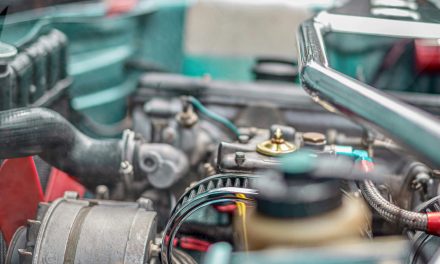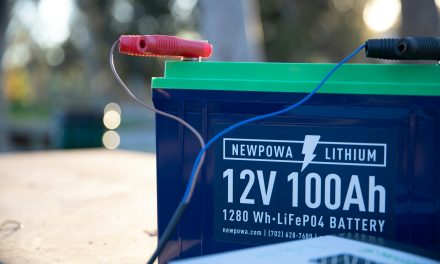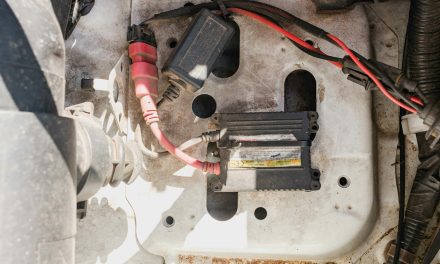
The starter motor is a crucial component of an automobile’s ignition system, responsible for initiating the engine’s operation. When the ignition key is turned, the starter engages with the flywheel, creating the necessary torque to crank the engine. This process involves converting electrical energy from the battery into mechanical energy, allowing the engine to begin its combustion cycle. The starter operates in conjunction with other components, such as the ignition switch and battery, to ensure a seamless start-up process.
In modern vehicles, starters are typically equipped with solenoids that facilitate the engagement and disengagement of the starter gear with the flywheel. This mechanism is vital for preventing damage to both the starter and the engine. A well-functioning starter not only ensures reliable engine starts but also contributes to overall vehicle performance and efficiency. Understanding its role can help vehicle owners appreciate the importance of timely maintenance and replacement when necessary.
If you’re considering a starter replacement for your vehicle, understanding the associated costs is crucial for budgeting. A related article that provides insights into various automotive services, including starter replacements, can be found at this link. This resource not only discusses the costs but also offers comparisons of local services, helping you make informed decisions about your vehicle maintenance.
Signs Your Starter Needs Replacement
Identifying when a starter requires replacement is essential for maintaining vehicle reliability. One of the most common indicators is a clicking sound when attempting to start the engine. This noise often signifies that the starter motor is not engaging properly, which could be due to electrical issues or mechanical failure. Additionally, if the engine cranks slowly or fails to turn over altogether, it may indicate that the starter is struggling to generate sufficient power.
Another sign of a failing starter is intermittent starting issues. If the vehicle starts without any problems one day but refuses to start the next, it may be time to inspect the starter system. Furthermore, visible signs of wear, such as corrosion on electrical connections or physical damage to the starter housing, can also indicate that replacement is imminent. Regular diagnostics can help catch these issues early, preventing more extensive damage and costly repairs.
Factors Influencing Starter Replacement Costs

Several factors influence the overall cost of starter replacement, making it essential for vehicle owners to understand these variables. Firstly, the make and model of the vehicle play a significant role in determining costs. Luxury or high-performance vehicles often require specialized starters that can be more expensive than those for standard models. Additionally, older vehicles may have limited availability of parts, leading to higher prices due to scarcity.
Labor costs also contribute significantly to the total expense of starter replacement. Mechanic rates can vary widely based on geographic location, shop reputation, and technician experience. Furthermore, whether the replacement is performed at a dealership or an independent garage can impact pricing. Lastly, any additional repairs needed during the replacement process, such as fixing wiring issues or replacing related components, can further increase costs.
Average Cost Breakdown for Starter Replacement

The average cost for starter replacement typically ranges from $300 to $800, encompassing both parts and labor. On average, parts alone can cost between $150 and $400, depending on whether an OEM (Original Equipment Manufacturer) or aftermarket part is chosen. Labor costs generally account for $100 to $300 of the total expense, depending on local rates and shop policies.
For example, a standard starter replacement in a mid-range sedan may cost around $400 total, with $250 allocated for parts and $150 for labor. In contrast, luxury vehicles may see costs exceeding $1,000 due to higher parts prices and labor rates. It’s crucial for vehicle owners to obtain multiple quotes from different service providers to ensure they receive a fair price for their specific situation.
If you’re considering a starter replacement for your vehicle, it’s essential to understand the associated costs and factors that can influence them. For a detailed breakdown of expenses and tips on how to save money during the process, you might find this article on organizing your kitchen particularly interesting, as it offers insights into budgeting and planning that can be applied to various aspects of life, including car maintenance.
Top 10 Vehicles and Their Starter Replacement Costs
1. **Toyota Camry**: Average cost – $350
2. **Honda Accord**: Average cost – $400
3. **Ford F-150**: Average cost – $450
4. **Chevrolet Silverado**: Average cost – $500
5. **Nissan Altima**: Average cost – $375
6. **Hyundai Sonata**: Average cost – $300
7. **Subaru Outback**: Average cost – $425
8. **Volkswagen Jetta**: Average cost – $475
9. **BMW 3 Series**: Average cost – $700
10. **Mercedes-Benz C-Class**: Average cost – $800
These figures represent average costs and can vary based on location and specific vehicle conditions. It’s advisable for owners to consult their local mechanics for precise estimates tailored to their vehicles.
When considering the cost of a starter replacement, it’s important to explore various factors that can influence the overall expense. For instance, labor costs, the make and model of your vehicle, and whether you choose an aftermarket or original equipment manufacturer part can all play significant roles. If you’re looking for more information on related automotive expenses, you might find this article on delicious vegetarian recipes interesting, as it highlights the importance of budgeting for both vehicle maintenance and personal nutrition.
DIY Starter Replacement: Is It Worth It?
For those with mechanical skills and tools, DIY starter replacement can be a viable option that saves money on labor costs. However, it requires a thorough understanding of automotive systems and safety precautions. The process typically involves disconnecting the battery, removing any components obstructing access to the starter, and carefully unbolting and replacing the old unit with a new one.
While DIY replacement can be rewarding and cost-effective, it’s essential to consider potential pitfalls. Incorrect installation can lead to further damage or safety hazards, such as electrical shorts or engine failure. Therefore, individuals should weigh their confidence in their mechanical abilities against the potential risks involved in undertaking such a task.
When it comes to replacing a starter, vehicle owners often face the decision between OEM and aftermarket parts. OEM starters are manufactured by the original equipment manufacturer and are designed specifically for each vehicle model. They typically come with warranties and are known for their reliability and compatibility with existing systems.
On the other hand, aftermarket starters are produced by third-party companies and may offer more competitive pricing options. While some aftermarket parts can perform just as well as OEM components, others may lack quality control or durability standards. It’s crucial for consumers to research reputable aftermarket brands and read reviews before making a purchase decision.
Labor Costs: What to Expect at the Mechanic
Labor costs for starter replacement can vary significantly based on several factors including location, shop type, and technician expertise. On average, mechanics charge between $75 and $150 per hour for labor services. The time required for a starter replacement typically ranges from one to three hours depending on vehicle accessibility and complexity.
Dealerships often charge higher labor rates compared to independent shops due to their specialized knowledge and brand reputation. However, independent mechanics may provide more personalized service at lower rates without sacrificing quality. It’s advisable for vehicle owners to inquire about estimated labor times before committing to any service.
How to Save Money on Starter Replacement
There are several strategies vehicle owners can employ to save money on starter replacement costs. Firstly, obtaining multiple quotes from different mechanics can help identify competitive pricing options in your area. Additionally, considering aftermarket parts instead of OEM components may yield significant savings without compromising quality.
Another effective approach is performing regular maintenance on your vehicle’s electrical system to prevent premature starter failure. Keeping connections clean and ensuring battery health can extend the lifespan of your starter motor. Lastly, utilizing online resources or forums dedicated to automotive repair can provide valuable insights into DIY solutions or budget-friendly repair shops.
Warranty and Longevity of Replacement Starters
The longevity of a replacement starter largely depends on its quality and how well it is maintained within the vehicle’s system. OEM starters generally have longer lifespans due to their superior manufacturing standards compared to some aftermarket options. Most starters come with warranties ranging from one year up to a lifetime warranty depending on the manufacturer.
It’s essential for vehicle owners to keep receipts and warranty information in case of future issues with their replacement starters. Regular inspections can also help identify potential problems early on, ensuring that any warranty claims can be addressed promptly.
Final Tips: Maintaining Your Starter for Longevity
To maximize the lifespan of your vehicle’s starter motor, regular maintenance is key. Ensure that battery terminals are clean and free from corrosion; this promotes optimal electrical flow necessary for starting your engine efficiently. Additionally, avoid short trips whenever possible as they can prevent your battery from fully charging.
Monitoring your vehicle’s electrical system is also crucial; any signs of dimming lights or slow cranking should prompt immediate inspection of both the battery and starter system. Lastly, consider scheduling routine check-ups with a trusted mechanic who can assess your vehicle’s overall health and catch potential issues before they escalate into costly repairs.
In summary, understanding your vehicle’s starter system is vital for ensuring reliable performance and longevity. Recognizing signs of failure early can save you from unexpected breakdowns while being informed about replacement costs helps you budget effectively for repairs or replacements when necessary. Whether opting for DIY solutions or professional services, maintaining your starter through regular inspections will ultimately lead to enhanced vehicle reliability and performance over time.
FAQs
What is the average cost of a starter replacement?
The average cost of a starter replacement typically ranges from $300 to $600, including parts and labor. The price can vary based on the make and model of the vehicle, as well as the labor rates in your area.
How much do starter parts usually cost?
Starter parts generally cost between $100 and $300. The price can vary depending on whether you choose an original equipment manufacturer (OEM) part or an aftermarket part, with OEM parts usually being more expensive.
What factors can affect the cost of starter replacement?
<pSeveral factors can influence the cost of starter replacement, including the vehicle's make and model, the type of starter used, labor rates at the repair shop, and whether any additional repairs are needed during the replacement process.
Can I replace a starter myself to save money?
Yes, if you have the necessary tools and mechanical skills, you can replace a starter yourself to save on labor costs. However, it’s important to follow proper procedures and safety precautions, as improper installation can lead to further issues.
Is it worth it to replace a starter?
Replacing a starter is often worth it, especially if the vehicle is otherwise in good condition. A faulty starter can prevent your vehicle from starting, and timely replacement can save you from more extensive repairs or breakdowns in the future.