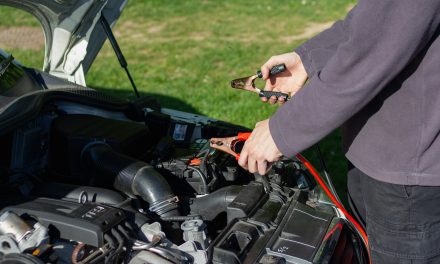
The proper connection of car battery terminals is a fundamental aspect of vehicle maintenance that is often overlooked by many drivers. A car battery serves as the heart of the electrical system, providing the necessary power to start the engine and operate various electrical components. Incorrectly connecting the battery terminals can lead to a myriad of issues, including electrical shorts, damage to sensitive electronic components, and even potential hazards such as explosions or fires. Understanding the significance of correct terminal connection is crucial for ensuring vehicle reliability and safety.
Moreover, the implications of improper connections extend beyond mere inconvenience. They can result in costly repairs and replacements, not to mention the potential for personal injury. Therefore, it is imperative for vehicle owners to familiarize themselves with the intricacies of battery terminals and the correct procedures for connecting and disconnecting them. This article aims to provide a comprehensive overview of car battery terminals, safety precautions, and best practices for maintaining optimal battery performance.
Car batteries typically feature two terminals: the positive terminal, denoted by a “+” symbol, and the negative terminal, marked with a “−” symbol. The positive terminal is connected to the battery’s positive electrode, while the negative terminal connects to the negative electrode. Understanding the distinction between these terminals is essential for proper battery maintenance and operation.
The positive terminal is responsible for delivering electrical current to the vehicle’s starter motor and other electrical systems. Conversely, the negative terminal serves as the return path for the current back to the battery. This flow of electricity is critical for starting the engine and powering various components such as lights, radio, and onboard computers. Misconnecting these terminals can disrupt this flow, leading to malfunctioning systems or complete failure to start.
When working with car batteries, it’s essential to know which terminal to connect first to ensure safety and prevent any electrical issues. For a detailed guide on this topic, you can refer to the article that discusses the proper procedure for connecting car battery terminals. Additionally, if you’re interested in keeping your outdoor space clean and free from pests, you might find this article on preventing flies around outdoor trash cans helpful: How to Prevent Flies Around Outdoor Trash Cans.
Safety Precautions Before Connecting a Car Battery
Before attempting to connect or disconnect car battery terminals, it is vital to take specific safety precautions to mitigate risks associated with electrical systems. First and foremost, ensure that you are wearing appropriate personal protective equipment (PPE), including safety goggles and gloves. This will protect your eyes and skin from potential acid spills or electrical sparks.
Additionally, it is advisable to work in a well-ventilated area to avoid inhaling any harmful gases that may be emitted from the battery during the connection process. Always inspect the battery for any signs of damage, such as cracks or leaks, before proceeding. If any abnormalities are detected, it is best to consult a professional mechanic for further evaluation. Lastly, ensure that all electrical accessories in the vehicle are turned off before connecting or disconnecting the battery to prevent sudden surges that could damage sensitive electronics.
Why the Order of Connecting Terminals Matters

The order in which battery terminals are connected is critical for preventing electrical shorts and ensuring safe operation. Connecting the positive terminal first creates a pathway for current flow without risking accidental contact with grounded metal parts of the vehicle. If the negative terminal were connected first, any tool or object that inadvertently touches a grounded surface while connecting the positive terminal could create a short circuit, leading to sparks or even an explosion.
Furthermore, following the correct order helps maintain the integrity of the vehicle’s electrical system. It ensures that any residual charge in the system is safely discharged before making connections, reducing the risk of damaging sensitive components such as onboard computers or sensors. Understanding this principle is essential for anyone who wishes to perform their own battery maintenance safely and effectively.
Step-by-Step Guide: Connecting the Positive Terminal First

To connect a car battery correctly, begin by gathering all necessary tools, including a wrench or socket set suitable for your battery terminals. Start by ensuring that both terminals are clean and free from corrosion; if necessary, use a wire brush or terminal cleaner to remove any buildup.
1. **Positioning**: Place the new or charged battery in its designated compartment within the vehicle.
2. **Positive Connection**: Locate the positive terminal (marked with “+”) on the battery and attach one end of the positive cable to it. Ensure that it fits snugly.
3. **Securing**: Use your wrench to tighten the connection securely but avoid over-tightening, which could damage the terminal.
4. **Negative Connection**: Next, take the negative cable (marked with “−”) and connect it to the negative terminal on the battery.
5. **Final Check**: Ensure both connections are secure and free from corrosion before closing any protective covers.
By following these steps meticulously, you can ensure a safe and effective connection that promotes optimal battery performance.
When working on car batteries, it’s essential to know which terminal to connect first to ensure safety and prevent any electrical mishaps. For a detailed guide on this topic, you can refer to the article that explains the importance of connecting the positive terminal before the negative one. Understanding these steps can help you avoid potential hazards while maintaining your vehicle. If you’re interested in learning more about practical home projects, you might also find this article on composting helpful: 10 Easy Steps to Make Compost at Home for Beginners.
Step-by-Step Guide: Connecting the Negative Terminal First
While connecting the negative terminal first is not recommended due to safety concerns, it is essential to understand how this process differs from connecting the positive terminal first. If you find yourself in a situation where you must connect in this order due to specific circumstances (such as jump-starting another vehicle), follow these steps carefully:
1. **Preparation**: As always, ensure you have appropriate PPE on hand and that both batteries are compatible.
2. **Negative Connection**: Begin by attaching one end of the negative cable to the negative terminal of your battery.
3. **Grounding**: Instead of connecting directly to another battery’s positive terminal, connect the other end of your negative cable to an unpainted metal surface on your vehicle’s frame or engine block. This acts as a ground.
4. **Positive Connection**: Now connect one end of your positive cable to your battery’s positive terminal.
5. **Final Connection**: Attach the other end of your positive cable to the positive terminal of the other battery.
This method minimizes risks associated with accidental grounding but should only be used when absolutely necessary.
When working on your car battery, it’s essential to know which terminal to connect first to ensure safety and proper functionality. For a detailed guide on this topic, you can refer to the article that explains the best practices for connecting car battery terminals. Additionally, understanding how to store items properly can also be beneficial in various situations, much like how you can learn about preserving mushrooms effectively in this informative article.
Risks of Connecting the Wrong Terminal First
Connecting car battery terminals inappropriately can lead to several significant risks that may compromise both personal safety and vehicle integrity. One of the most immediate dangers is creating an electrical short circuit, which can result in sparks or even flames due to rapid discharge of energy.
Additionally, connecting terminals incorrectly can damage sensitive electronic components within modern vehicles, such as onboard computers and sensors. This damage may manifest as erratic behavior in electrical systems or complete failure of critical components, leading to costly repairs.
Moreover, there is a risk of personal injury when handling batteries improperly. Acid spills from damaged batteries can cause chemical burns, while electrical shocks can occur if tools inadvertently bridge connections during improper attachment.
How to Properly Disconnect Car Battery Terminals
Properly disconnecting car battery terminals is just as crucial as connecting them correctly. To ensure safety during this process:
1. **Turn Off All Accessories**: Before beginning disconnection, ensure all electrical accessories are turned off.
2. **Negative Terminal First**: Always start by removing the negative terminal first (marked with “−”). Use a wrench to loosen it before carefully lifting it away from its post.
3. **Positive Terminal Next**: After disconnecting the negative terminal, proceed to remove the positive terminal (marked with “+”) using similar techniques.
4. **Secure Cables**: Once disconnected, ensure that both cables are secured away from any metal surfaces to prevent accidental contact.
Following these steps will help maintain safety while minimizing risks associated with electrical shorts.
Common Mistakes to Avoid When Connecting Battery Terminals
Several common mistakes can lead to improper connections or even hazardous situations when working with car batteries:
1. **Neglecting Safety Gear**: Failing to wear gloves and goggles increases exposure to harmful substances and electrical hazards.
2. **Ignoring Corrosion**: Not cleaning terminals before connection can lead to poor conductivity and increased resistance.
3. **Over-tightening Connections**: Excessive force can damage terminals or cables, leading to future failures.
4. **Connecting in Wrong Order**: Always remember that connecting negative first poses significant risks; adhere strictly to proper procedures.
5. **Assuming Compatibility**: Not all batteries are interchangeable; ensure compatibility before attempting connections.
Avoiding these pitfalls will enhance safety and prolong battery life.
Tips for Maintaining Your Car Battery and Terminals
Regular maintenance is essential for ensuring optimal performance from your car battery:
1. **Routine Inspections**: Periodically check terminals for corrosion or loose connections; clean as necessary using a mixture of baking soda and water.
2. **Keep Terminals Tight**: Ensure that connections remain secure over time; vibrations from driving can loosen them.
3. **Avoid Deep Discharges**: Regularly drive your vehicle or use a trickle charger if it remains idle for extended periods.
4. **Temperature Considerations**: Extreme temperatures can affect battery performance; store your vehicle in a climate-controlled environment when possible.
5. **Professional Check-ups**: Schedule regular inspections with a qualified mechanic who can assess overall battery health.
Implementing these maintenance strategies will help extend your car battery’s lifespan while ensuring reliable performance.
Best Practices for Connecting Car Battery Terminals
In conclusion, understanding how to properly connect car battery terminals is vital for maintaining vehicle safety and functionality. By adhering to established protocols—such as connecting positive terminals first—vehicle owners can mitigate risks associated with electrical shorts and component damage.
Moreover, taking necessary safety precautions before engaging with batteries ensures personal protection against potential hazards. Regular maintenance practices further enhance battery longevity and performance.
By following these best practices diligently, drivers can enjoy reliable vehicle operation while minimizing risks associated with improper battery management.
FAQs
Which car battery terminal should be connected first when jump-starting a vehicle?
When jump-starting a vehicle, you should connect the positive terminal first. This involves attaching the red jumper cable to the positive (+) terminal of the dead battery before connecting it to the positive terminal of the working battery.
Why is it important to connect the positive terminal first?
Connecting the positive terminal first helps to minimize the risk of sparks and potential short circuits. If you were to connect the negative terminal first and accidentally touch a metal part of the car with the positive cable, it could create a spark that might ignite any hydrogen gas emitted by the battery.
What is the correct order for disconnecting battery terminals?
The correct order for disconnecting battery terminals is to remove the negative terminal first, followed by the positive terminal. This helps to prevent any accidental short circuits while removing the cables.
Can connecting the terminals in the wrong order damage the vehicle?
Yes, connecting the terminals in the wrong order can potentially damage the vehicle’s electrical system. It can cause sparks, blow fuses, or even damage sensitive electronic components in the car.
What tools do I need to connect car battery terminals?
To connect car battery terminals, you typically need a set of jumper cables. In some cases, you may also require a wrench or pliers to loosen the terminal clamps if they are too tight to remove by hand.