Household pests are a significant concern for homeowners, as they can cause damage to property, contaminate food, and pose health risks. Common pests include rodents such as mice and rats, insects like cockroaches, ants, termites, and bedbugs, as well as arachnids like spiders. Each of these pests has unique behaviors and habitats that make them particularly troublesome. For instance, rodents are notorious for gnawing on wires and insulation, leading to potential fire hazards, while termites can silently destroy wooden structures over time.
Understanding the biology and behavior of these pests is crucial for effective management. For example, cockroaches thrive in warm, humid environments and are often found in kitchens and bathrooms. They reproduce rapidly, with a single female capable of producing hundreds of offspring in her lifetime. Similarly, bedbugs are adept at hiding in small crevices and can survive for months without feeding, making them particularly challenging to eradicate. Knowledge of these characteristics allows homeowners to implement targeted strategies for prevention and control.
Importance of Regular Pest Inspections
Regular pest inspections are essential for maintaining a pest-free environment. These inspections help identify potential infestations before they escalate into larger problems. A thorough examination of the premises can reveal signs of pest activity, such as droppings, nests, or damage to structures. Early detection is key; it allows for timely intervention, which can save homeowners from costly repairs and health risks associated with pest-borne diseases.
Moreover, routine inspections foster a proactive approach to pest management. By engaging pest control professionals or conducting self-inspections periodically, homeowners can assess vulnerabilities in their properties. This practice not only helps in identifying existing infestations but also aids in recognizing conditions conducive to pest activity. For instance, moisture accumulation in basements or attics can attract termites and other wood-destroying insects. Regular inspections empower homeowners to take corrective actions before pests establish themselves.
Sealing Entry Points to Prevent Pest Intrusion

One of the most effective strategies for preventing pest intrusion is sealing entry points around the home. Pests can enter through the smallest openings, including cracks in walls, gaps around windows and doors, and holes in foundations. By meticulously inspecting the exterior of the property and sealing these vulnerabilities with caulk or weather stripping, homeowners can significantly reduce the likelihood of infestations.
In addition to sealing visible gaps, it is crucial to address less obvious entry points. For example, utility lines and vents can serve as conduits for pests. Installing screens on vents and ensuring that utility lines are properly sealed can further enhance a home’s defenses against unwanted intruders. This preventative measure not only protects against pests but also improves energy efficiency by reducing drafts.
Maintaining Cleanliness and Proper Waste Management

Maintaining cleanliness is paramount in pest prevention. Pests are often attracted to food sources and clutter, making proper waste management essential. Homeowners should ensure that food is stored in airtight containers and that surfaces are regularly cleaned to eliminate crumbs and spills that may attract pests. Additionally, garbage should be disposed of promptly and stored in sealed containers to deter rodents and insects.
Regular cleaning routines should extend beyond kitchens and dining areas. Bedrooms, living rooms, and even garages can harbor food particles or nesting materials that attract pests. Vacuuming carpets and upholstery frequently can help eliminate potential food sources for pests like ants and cockroaches. By fostering a clean environment, homeowners create an inhospitable habitat for pests, thereby reducing the risk of infestations.
Using Natural Pest Repellents and Deterrents
Natural pest repellents offer an eco-friendly alternative to chemical pesticides. Many household items possess properties that deter pests without posing risks to human health or the environment. Essential oils such as peppermint, lavender, and tea tree oil have been shown to repel various insects due to their strong scents. Homeowners can create homemade sprays by diluting these oils with water and applying them to areas prone to pest activity.
In addition to essential oils, other natural deterrents include diatomaceous earth and vinegar solutions. Diatomaceous earth is a fine powder made from fossilized algae that can effectively kill crawling insects by dehydrating them upon contact. Vinegar solutions can be used to clean surfaces while simultaneously repelling ants and other pests due to their strong odor. Utilizing these natural methods not only minimizes chemical exposure but also promotes a healthier living environment.
Employing Biological Pest Control Techniques
Biological pest control techniques leverage natural predators or parasites to manage pest populations effectively. This method is particularly beneficial for controlling insect pests without resorting to chemical pesticides. For instance, introducing ladybugs into gardens can help manage aphid populations, while nematodes can target soil-dwelling pests like grubs.
The use of biological control agents requires careful consideration of the ecosystem to ensure that introduced species do not become invasive themselves. Homeowners should consult with pest management professionals who specialize in biological control methods to determine the most suitable options for their specific situations. By harnessing nature’s balance, biological pest control offers a sustainable solution for long-term pest management.
Utilizing Chemical Pesticides Safely and Effectively
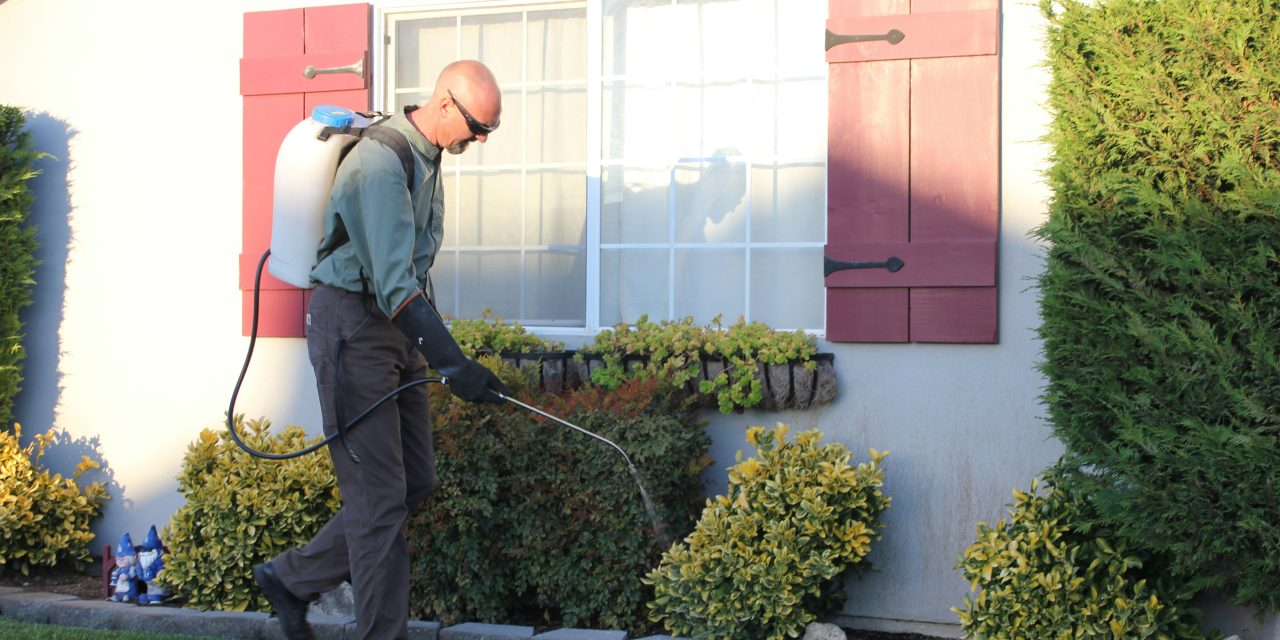
When natural methods are insufficient, chemical pesticides may be necessary for effective pest control. However, it is crucial to use these products safely and responsibly to minimize risks to human health and the environment. Homeowners should select pesticides specifically formulated for the target pest while adhering to label instructions regarding application rates and safety precautions.
Before applying chemical pesticides indoors or outdoors, it is advisable to remove pets and children from the area until it is safe to return. Additionally, proper ventilation should be ensured during indoor applications to mitigate inhalation risks. Homeowners should also consider using targeted applications rather than broad-spectrum sprays to minimize environmental impact while maximizing effectiveness.
Setting Up Traps and Baits for Targeted Pest Control
Traps and baits are effective tools for targeted pest control strategies. These devices allow homeowners to capture or eliminate specific pests without affecting non-target species or the surrounding environment. For example, snap traps are commonly used for rodent control, while sticky traps can effectively monitor insect populations.
Bait stations are another valuable option for managing pests like ants or cockroaches. These stations contain attractants mixed with slow-acting insecticides that allow pests to carry the bait back to their nests, effectively eliminating entire colonies over time. When setting up traps or baits, it is essential to place them strategically in areas where pest activity has been observed for optimal results.
Implementing Integrated Pest Management (IPM) Strategies
Integrated Pest Management (IPM) is a holistic approach that combines multiple strategies for effective pest control while minimizing risks associated with chemical use. IPM emphasizes prevention through monitoring, habitat modification, and the use of biological controls before resorting to chemical interventions.
An IPM plan typically begins with thorough inspections to identify pest problems accurately. Based on findings, homeowners can implement targeted strategies such as sealing entry points, maintaining cleanliness, using natural repellents, or employing biological controls as needed. Chemical pesticides may be used as a last resort when other methods fail to achieve satisfactory results. This comprehensive approach not only addresses current infestations but also reduces the likelihood of future problems.
Hiring Professional Pest Control Services
For persistent infestations or complex pest problems, hiring professional pest control services may be necessary. Pest control experts possess specialized knowledge and training in identifying pests accurately and implementing effective treatment plans tailored to specific situations. They have access to advanced tools and products that may not be available to the average homeowner.
Professional services often begin with a thorough inspection of the property to assess the extent of the infestation and identify contributing factors. Based on this assessment, technicians will develop a customized treatment plan that may include a combination of chemical treatments, traps, baits, and preventative measures. Engaging professionals ensures that pest problems are addressed efficiently while minimizing risks associated with DIY approaches.
Monitoring and Maintaining Long-Term Pest Prevention
Long-term pest prevention requires ongoing monitoring and maintenance efforts even after initial infestations have been resolved. Homeowners should establish regular inspection schedules to identify any signs of new pest activity promptly. This proactive approach allows for early intervention before infestations escalate.
Additionally, maintaining cleanliness and addressing potential entry points should remain a priority throughout the year. Seasonal changes may introduce new challenges; therefore, adapting prevention strategies accordingly is essential for sustained success in keeping pests at bay. By fostering a vigilant mindset towards pest management, homeowners can enjoy a healthier living environment free from unwanted intruders.
In summary, understanding common household pests is crucial for effective management strategies that encompass prevention through regular inspections, sealing entry points, maintaining cleanliness, utilizing natural repellents, employing biological controls, using chemical pesticides responsibly when necessary, setting traps strategically, implementing Integrated Pest Management (IPM), hiring professionals when needed, and maintaining vigilance over time ensures a comprehensive approach toward long-term pest prevention.
FAQs
What are the most common pest control methods?
The most common pest control methods include chemical treatments, biological control, cultural practices, and physical barriers. Chemical treatments involve the use of pesticides, while biological control utilizes natural predators or parasites to manage pest populations. Cultural practices focus on modifying the environment to make it less conducive to pests, and physical barriers include traps and nets to prevent pests from accessing certain areas.
Are chemical pest control methods safe for humans and pets?
While chemical pest control methods can be effective, they may pose risks to humans and pets if not used properly. It is essential to follow the manufacturer’s instructions and safety guidelines. Many modern pesticides are designed to minimize toxicity, but precautions such as wearing protective gear and ensuring proper ventilation are recommended during application.
What is integrated pest management (IPM)?
Integrated Pest Management (IPM) is a holistic approach to pest control that combines multiple strategies to manage pest populations effectively and sustainably. IPM emphasizes monitoring pest levels, using a combination of biological, cultural, physical, and chemical methods, and prioritizing environmentally friendly practices to minimize harm to non-target organisms and the ecosystem.
How can I prevent pests from entering my home?
Preventing pests from entering your home involves several strategies, including sealing cracks and gaps in walls and foundations, installing screens on windows and doors, keeping food stored in airtight containers, and maintaining a clean environment to eliminate potential food sources. Regular inspections and maintenance can also help identify and address potential entry points.
When should I consider hiring a professional pest control service?
You should consider hiring a professional pest control service when you have a significant infestation that is difficult to manage on your own, when pests pose health risks, or when you are unsure about the best treatment methods. Professionals have access to specialized tools and knowledge to effectively address pest issues while ensuring safety and compliance with regulations.