Brake pads are critical components of a vehicle’s braking system, responsible for converting kinetic energy into thermal energy through friction. Understanding the wear patterns of brake pads is essential for maintaining optimal vehicle performance and safety. Brake pad wear can be influenced by various factors, including driving habits, vehicle design, and environmental conditions. Recognizing these patterns allows drivers and mechanics to anticipate maintenance needs, ensuring that vehicles remain safe and efficient.
The wear patterns observed on brake pads can provide valuable insights into the overall health of the braking system. For instance, uneven wear may indicate issues such as misalignment, improper installation, or even problems with the brake calipers. By analyzing these patterns, technicians can diagnose underlying issues before they escalate into more significant problems, potentially saving drivers from costly repairs and enhancing road safety.
Front brake pads tend to wear faster than rear brake pads due to the weight distribution of the vehicle during braking. When a car comes to a stop, the weight shifts forward, placing more pressure on the front brakes. This increased load results in greater friction and, consequently, faster wear of the front brake pads. For a deeper understanding of vehicle maintenance, you might find this article on fixing common household issues helpful: How to Fix a Door That Sticks or Won’t Close Properly.
Weight Distribution and Its Impact on Front Brakes
Weight distribution plays a pivotal role in determining how effectively a vehicle’s braking system operates. In most vehicles, the front end bears a greater share of the weight, particularly during braking maneuvers. This increased load on the front brakes results in higher friction and heat generation, leading to accelerated wear of the front brake pads compared to their rear counterparts.
The front brakes typically account for approximately 70% of the total braking force in a standard vehicle. This disproportionate distribution means that front brake pads endure more stress and heat, which can lead to quicker degradation. Understanding this dynamic is crucial for vehicle owners and mechanics alike, as it underscores the importance of regular inspections and timely replacements of front brake pads to maintain optimal braking performance.
The Role of Front Brakes in Vehicle Deceleration

Front brakes are integral to a vehicle’s deceleration process. When a driver applies the brakes, weight shifts forward due to inertia, increasing the load on the front wheels. This shift enhances the effectiveness of the front brakes, allowing them to generate more stopping power. Consequently, the front brake pads experience heightened frictional forces, which contribute to their accelerated wear.
Moreover, the design of modern vehicles often prioritizes front braking efficiency. Anti-lock braking systems (ABS) and electronic stability control (ESC) are typically calibrated to optimize front brake performance. While these systems enhance safety and control during emergency braking situations, they also place additional demands on front brake components. Understanding this relationship between braking technology and pad wear is essential for maintaining vehicle safety and performance.
Heat Generation and Dissipation Differences Between Front and Rear

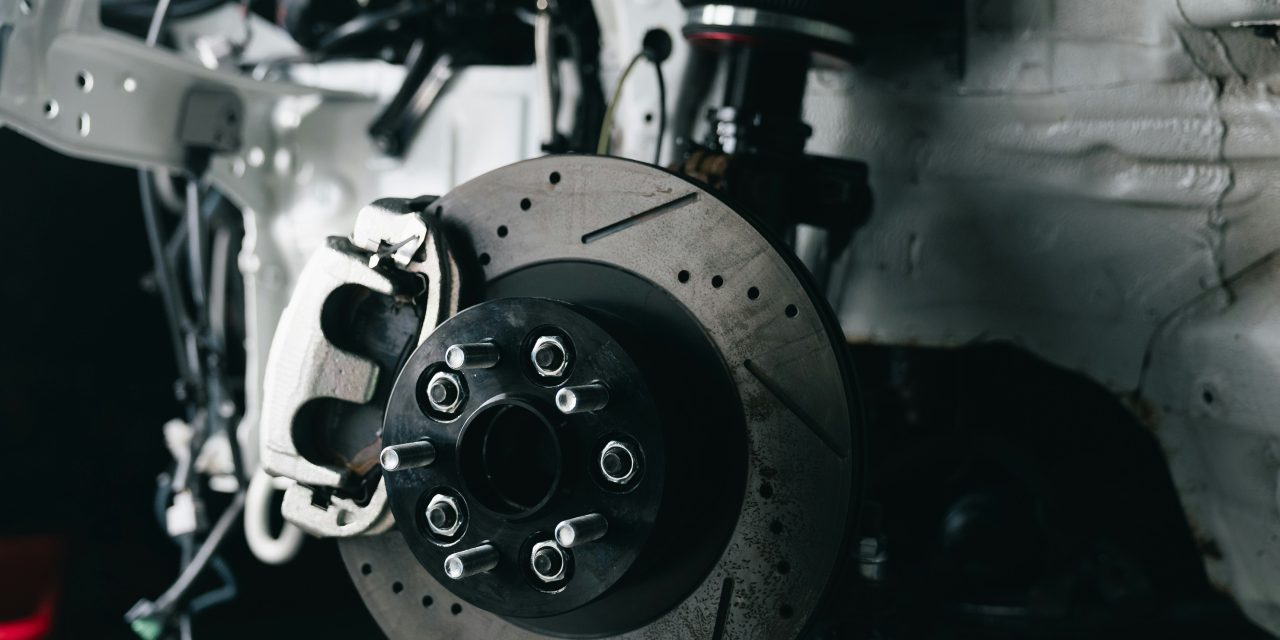
Heat generation is a critical factor influencing brake pad wear. When brakes are applied, kinetic energy is converted into thermal energy through friction between the brake pads and rotors. Front brakes generate significantly more heat than rear brakes due to their increased workload during deceleration. This excess heat can lead to thermal degradation of brake materials, resulting in reduced performance and shorter lifespan.
The ability of brake components to dissipate heat is equally important. Front brake systems are often designed with larger rotors and calipers to facilitate better heat dissipation. However, if the cooling mechanisms are compromised—due to dirt buildup or inadequate airflow—this can exacerbate wear on front brake pads. Regular maintenance practices, such as cleaning and inspecting brake components, can help mitigate these issues and prolong pad lifespan.
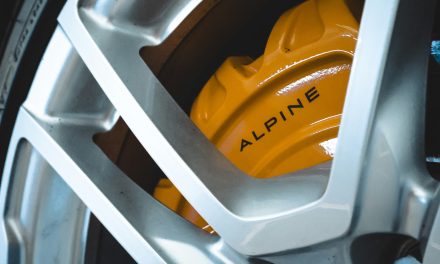
The mechanical design of brake calipers varies significantly between front and rear brakes, impacting their performance and wear characteristics. Front brake calipers are typically larger and more robust than rear calipers, designed to accommodate higher forces generated during braking. This design difference allows front brakes to handle greater thermal loads but also contributes to increased wear on front brake pads.
Additionally, many vehicles utilize different types of caliper designs for front and rear brakes—such as floating calipers in the rear versus fixed calipers in the front. These variations affect how evenly pressure is applied to the brake pads during operation. Understanding these mechanical differences is crucial for technicians when diagnosing brake issues or recommending replacements.
Front brake pads tend to wear faster than rear ones due to the weight distribution of a vehicle during braking, which places more stress on the front brakes. This phenomenon is further explained in a related article that discusses various factors affecting brake wear and maintenance. For a deeper understanding of how different components of a vehicle interact and influence performance, you can read more about it in this informative piece on brake systems.
Driving Habits That Accelerate Front Brake Pad Wear
Driving habits significantly influence the rate at which front brake pads wear down. Aggressive driving behaviors—such as rapid acceleration, hard braking, and frequent lane changes—can lead to premature wear of brake components. Drivers who frequently engage in stop-and-go traffic or drive in urban environments may also experience accelerated wear due to constant braking demands.
Conversely, adopting smoother driving techniques can help extend the lifespan of front brake pads. Gradual acceleration and deceleration, along with maintaining a safe following distance, can reduce the frequency and intensity of braking events. Educating drivers about these habits can lead to improved vehicle performance and reduced maintenance costs over time.
Front brake pads tend to wear faster than rear ones due to the weight distribution of the vehicle during braking, which places more stress on the front brakes. This phenomenon is further explored in a related article that discusses various factors affecting brake wear and maintenance. For more insights on this topic, you can read about it in this informative article that highlights the differences in brake pad wear and offers tips for proper vehicle upkeep.
Effects of Brake System Configuration on Pad Longevity
The configuration of a vehicle’s braking system can have a profound impact on the longevity of brake pads. Vehicles equipped with advanced braking technologies—such as regenerative braking systems found in hybrids and electric vehicles—may experience different wear patterns compared to traditional systems. Regenerative braking reduces reliance on friction brakes by converting kinetic energy back into electrical energy, thereby decreasing wear on both front and rear pads.
Additionally, vehicles with larger wheels may have different braking dynamics due to altered weight distribution and heat dissipation characteristics. Understanding these configurations allows mechanics to tailor maintenance schedules and recommendations based on specific vehicle designs, ultimately enhancing pad longevity.
Influence of Road Conditions on Front Brake Wear
Road conditions play a significant role in determining how quickly front brake pads wear out. Rough or uneven surfaces can lead to increased friction and stress on braking components, resulting in accelerated wear. Similarly, wet or icy conditions may require more frequent or harder braking, further contributing to pad degradation.
Regularly assessing road conditions can help drivers adjust their driving habits accordingly. For instance, reducing speed on poorly maintained roads or during inclement weather can minimize excessive wear on front brake pads. Additionally, choosing appropriate tires for specific conditions can enhance overall vehicle performance and reduce strain on the braking system.
Maintenance Practices Affecting Front Brake Pad Lifespan
Proper maintenance practices are essential for maximizing the lifespan of front brake pads. Regular inspections should include checking for signs of uneven wear, fluid leaks, or damage to calipers and rotors. Additionally, ensuring that brake fluid levels are adequate and that the fluid is free from contamination can help maintain optimal braking performance.
Routine cleaning of brake components is also crucial for preventing dirt buildup that can impede heat dissipation and lead to premature wear. Technicians should recommend replacing brake pads based on manufacturer guidelines while considering individual driving habits and conditions for personalized maintenance schedules.
The Impact of Vehicle Type and Load on Brake Pad Wear
Different vehicle types exhibit varying rates of brake pad wear due to differences in weight distribution, design, and intended use. For example, heavier vehicles such as trucks or SUVs typically exert more force on their brakes during operation, leading to increased wear on front pads compared to lighter passenger cars.
Additionally, carrying heavy loads can exacerbate this effect by increasing the overall weight that the brakes must manage during deceleration. Understanding these dynamics is essential for fleet operators or individuals who frequently transport heavy cargo, as it necessitates more frequent inspections and potential adjustments to maintenance schedules.
Balancing Brake Pad Usage for Optimal Performance
In conclusion, understanding the multifaceted factors influencing front brake pad wear is crucial for maintaining vehicle safety and performance. From weight distribution and driving habits to road conditions and mechanical design differences, each element plays a significant role in determining how quickly brake pads degrade over time.
By adopting proactive maintenance practices and educating drivers about their impact on brake longevity, vehicle owners can ensure optimal performance while minimizing costs associated with premature wear. Ultimately, achieving a balance between effective braking performance and longevity requires a comprehensive understanding of these dynamics.
In summary, regular inspections, tailored maintenance schedules based on driving habits and vehicle type, along with an awareness of road conditions can significantly enhance the lifespan of front brake pads while ensuring safety on the road.
FAQs
Why do front brake pads wear faster than rear brake pads?
Front brake pads typically wear faster because they handle a greater portion of the vehicle’s braking force. During braking, weight shifts to the front of the vehicle, increasing the load on the front brakes and causing them to wear more quickly than the rear pads.
What factors contribute to the increased wear of front brake pads?
Several factors contribute to the increased wear of front brake pads, including the vehicle’s weight distribution, driving habits, and the type of braking system. Aggressive driving, frequent hard braking, and heavy loads can all exacerbate wear on the front pads.
Do different types of vehicles experience different rates of front brake pad wear?
Yes, different types of vehicles can experience varying rates of front brake pad wear. For example, sports cars and trucks may have different braking dynamics due to their weight distribution and intended use, leading to different wear patterns on the brake pads.
How can drivers extend the life of their front brake pads?
Drivers can extend the life of their front brake pads by practicing smoother driving habits, avoiding sudden stops, and maintaining proper tire pressure. Regular maintenance checks and timely replacement of worn components can also help improve brake performance and longevity.
Is it necessary to replace front and rear brake pads at the same time?
While it is not always necessary to replace front and rear brake pads at the same time, it is advisable to inspect both sets regularly. If the front pads are significantly worn, it may be beneficial to replace them alongside the rear pads to maintain balanced braking performance.