Car pulling during braking is a critical safety concern that can compromise vehicle control and increase the risk of accidents. This phenomenon occurs when a vehicle veers to one side while the brakes are engaged, leading to an uneven deceleration. The implications of this issue extend beyond mere inconvenience; they can indicate underlying mechanical problems that require immediate attention. Understanding the causes of car pulling when braking is essential for maintaining optimal vehicle performance and ensuring driver safety.
The mechanics behind braking involve a complex interplay of various components, including brake pads, calipers, tires, and suspension systems. When any of these elements malfunction or wear unevenly, the result can be a noticeable pull to one side. This article delves into the primary reasons for this issue, offering insights into diagnosis, prevention, and treatment options to ensure safe driving experiences.
If you’ve ever wondered why your car pulls to one side when braking, it could be due to a variety of issues such as uneven brake wear, misaligned wheels, or problems with the suspension system. Understanding these factors is crucial for maintaining your vehicle’s safety and performance. For more insights on organizing your life and managing everyday tasks, you might find this article on organizing paper clutter and household mail helpful: 10 Easy Ways to Organize Paper Clutter and Household Mail Fast.
Reason 1: Uneven Brake Pad Wear
One of the most common culprits behind car pulling during braking is uneven brake pad wear. Brake pads are designed to create friction against the brake rotors, allowing for effective deceleration. However, if one set of pads wears down more quickly than the other, it can lead to an imbalance in braking force. This discrepancy can cause the vehicle to pull toward the side with the more worn brake pads.
Several factors contribute to uneven brake pad wear, including driving habits, the quality of brake components, and the vehicle’s alignment. For instance, aggressive driving styles that involve frequent hard braking can accelerate wear on specific pads. Additionally, inferior-quality brake pads may not distribute pressure evenly across the rotor surface, exacerbating the issue. Regular inspections and timely replacements of brake pads are crucial in preventing this problem.
Reason 2: Faulty Brake Calipers
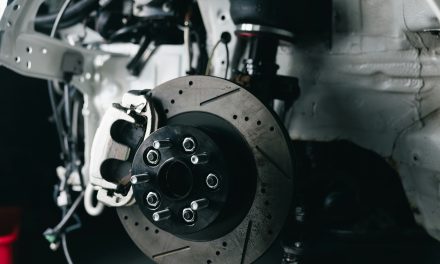
Faulty brake calipers can also lead to car pulling during braking. The caliper’s primary function is to house the brake pads and apply pressure to them against the rotors when the brakes are engaged. If a caliper becomes stuck or fails to retract properly, it can cause one wheel to experience excessive braking force compared to the other. This imbalance results in a noticeable pull toward the affected side.
Caliper issues can arise from corrosion, dirt accumulation, or hydraulic fluid leaks. Regular maintenance checks can help identify early signs of caliper malfunction. If a driver notices that their vehicle pulls to one side during braking, it is advisable to have the calipers inspected and serviced by a qualified technician. Replacing faulty calipers promptly can restore balanced braking performance and enhance overall safety.
Reason 3: Misaligned Wheels or Tires

Misalignment of wheels or tires is another significant factor contributing to car pulling during braking. Proper wheel alignment ensures that all tires make contact with the road evenly and that they are oriented correctly relative to each other and the vehicle’s frame. When misalignment occurs, it can lead to uneven tire wear and affect braking efficiency.
Misaligned wheels can cause a vehicle to pull in one direction while driving straight, which becomes more pronounced during braking. Factors such as hitting potholes, curbs, or general wear and tear can lead to misalignment over time. Regular alignment checks are essential for maintaining optimal handling and braking performance. If misalignment is detected, it should be corrected immediately to prevent further complications.
If you’ve ever experienced your car pulling to one side when braking, it can be both alarming and concerning. This issue often indicates problems with your vehicle’s braking system, such as uneven brake pad wear or issues with the suspension. To delve deeper into related automotive concerns, you might find this article on brake system maintenance particularly helpful, as it covers essential tips for keeping your car in optimal condition and ensuring a safer driving experience. Understanding these factors can help you address the problem effectively and maintain your vehicle’s performance.
Reason 4: Unequal Tire Pressure
Tire pressure plays a crucial role in vehicle stability and handling. Unequal tire pressure between the front tires can lead to pulling during braking as well. When one tire is under-inflated compared to its counterpart, it may not provide adequate traction or braking force, causing the vehicle to veer toward the side with lower pressure.
Maintaining proper tire pressure is vital for ensuring balanced braking performance and overall safety. Drivers should regularly check tire pressure using a reliable gauge and adjust it according to manufacturer specifications. Additionally, seasonal changes in temperature can affect tire pressure; thus, routine checks are particularly important during extreme weather conditions.
If you’ve ever wondered why your car pulls to one side when braking, it’s important to consider various factors that could be at play. Issues such as uneven tire pressure, worn brake pads, or even misaligned wheels can contribute to this unsettling experience. For a deeper understanding of how to maintain your vehicle and prevent such problems, you might find this article on summer home maintenance helpful, as it emphasizes the importance of regular checks for both your home and your car. You can read more about it here.
Reason 5: Suspension or Steering Component Problems
Suspension and steering components play a pivotal role in maintaining vehicle stability during braking. Worn-out or damaged parts such as control arms, tie rods, or bushings can lead to instability and pulling when brakes are applied. These components are responsible for keeping the wheels aligned and absorbing shocks from road irregularities.
When suspension or steering components fail, they can compromise the vehicle’s ability to maintain a straight trajectory during braking. Symptoms may include excessive play in the steering wheel or unusual noises when turning or stopping. Regular inspections of suspension and steering systems are essential for identifying potential issues before they escalate into more significant problems.
How Brake Fluid Issues Can Affect Braking Balance
Brake fluid is a critical component of a vehicle’s braking system, facilitating hydraulic pressure transfer from the brake pedal to the calipers. Contaminated or low brake fluid levels can lead to inconsistent braking performance and may contribute to pulling during braking. Air bubbles or moisture in the brake fluid can compromise its effectiveness, resulting in uneven force distribution across the brake pads.
To ensure optimal braking performance, it is essential to regularly check brake fluid levels and quality. If contamination is suspected or if fluid levels are low, a complete brake fluid flush may be necessary. This procedure involves replacing old fluid with fresh fluid that meets manufacturer specifications, thereby restoring proper hydraulic function and enhancing overall safety.
The Role of Wheel Bearings in Braking Stability
Wheel bearings are integral components that allow wheels to rotate smoothly while supporting the vehicle’s weight. Worn or damaged wheel bearings can lead to instability during braking, causing the vehicle to pull to one side. As wheel bearings deteriorate, they may produce grinding noises or cause vibrations that become more pronounced when brakes are applied.
Regular inspection of wheel bearings is crucial for maintaining safe driving conditions. If signs of wear are detected, prompt replacement is necessary to prevent further damage and ensure balanced braking performance. A qualified technician should perform this service to guarantee proper installation and alignment.
Diagnosing the Problem: When to Seek Professional Help
Diagnosing car pulling during braking requires careful observation and assessment of various factors affecting vehicle performance. Drivers should pay attention to any unusual symptoms such as vibrations, noises, or changes in steering response when applying brakes. If these issues persist despite routine maintenance checks, it is advisable to seek professional assistance.
A qualified mechanic will conduct a thorough inspection of the braking system, suspension components, tire condition, and alignment settings. Diagnostic tools may be employed to identify underlying issues accurately. Early intervention can prevent further complications and ensure that drivers maintain safe control over their vehicles.
Preventative Maintenance Tips to Avoid Pulling During Braking
Preventative maintenance is key to avoiding car pulling during braking and ensuring overall vehicle safety. Here are several essential tips:
1. **Regular Brake Inspections**: Schedule routine inspections of brake pads, rotors, and calipers every 6 months or as recommended by your vehicle manufacturer.
2. **Tire Maintenance**: Check tire pressure monthly and rotate tires every 5,000-7,500 miles to promote even wear.
3. **Wheel Alignment Checks**: Have your wheel alignment checked annually or after any significant impact with road hazards.
4. **Suspension System Inspections**: Regularly inspect suspension components for signs of wear or damage.
5. **Brake Fluid Maintenance**: Flush brake fluid every 2 years or as recommended by your manufacturer to prevent contamination.
By adhering to these preventative measures, drivers can significantly reduce the likelihood of experiencing pulling during braking.
Ensuring Safe and Balanced Braking Performance
In conclusion, understanding the various factors contributing to car pulling during braking is essential for maintaining safe driving conditions. From uneven brake pad wear and faulty calipers to misaligned wheels and tire pressure discrepancies, numerous mechanical issues can lead to this concerning phenomenon. Regular maintenance checks and prompt attention to any symptoms can help mitigate risks associated with compromised braking performance.
By implementing preventative measures such as routine inspections and timely replacements of critical components, drivers can enhance their vehicle’s stability and ensure balanced braking performance. Ultimately, prioritizing vehicle maintenance not only promotes safety but also extends the lifespan of essential automotive systems.
In summary, addressing car pulling during braking involves recognizing potential causes such as uneven wear on brake pads, faulty calipers, misalignment issues, unequal tire pressure, suspension problems, brake fluid quality, and wheel bearing integrity. By being proactive in maintenance and seeking professional help when necessary, drivers can ensure their vehicles remain safe and reliable on the road.
FAQs
What causes a car to pull to one side when braking?
A car may pull to one side when braking due to uneven brake pad wear, a malfunctioning brake caliper, or issues with the brake lines. If one side of the braking system is more effective than the other, it can cause the vehicle to veer to that side.
How can uneven tire pressure affect braking performance?
Uneven tire pressure can lead to different levels of traction on each side of the vehicle. When braking, this can cause the car to pull towards the side with lower tire pressure, as that tire may not grip the road as effectively as the other tires.
Can alignment issues contribute to pulling during braking?
Yes, misalignment can cause a car to pull to one side when braking. If the wheels are not aligned properly, it can affect how the vehicle responds to braking, leading to uneven force distribution and pulling.
What role do suspension components play in braking stability?
Suspension components, such as struts and shocks, help maintain tire contact with the road. Worn or damaged suspension parts can lead to instability during braking, causing the car to pull to one side as weight shifts unevenly.
Is it safe to drive a car that pulls to one side when braking?
No, it is not safe to drive a car that pulls to one side when braking. This issue can indicate serious problems with the braking system or other components, and it is advisable to have the vehicle inspected and repaired by a professional mechanic as soon as possible.